Reservoir Dogs





Short description
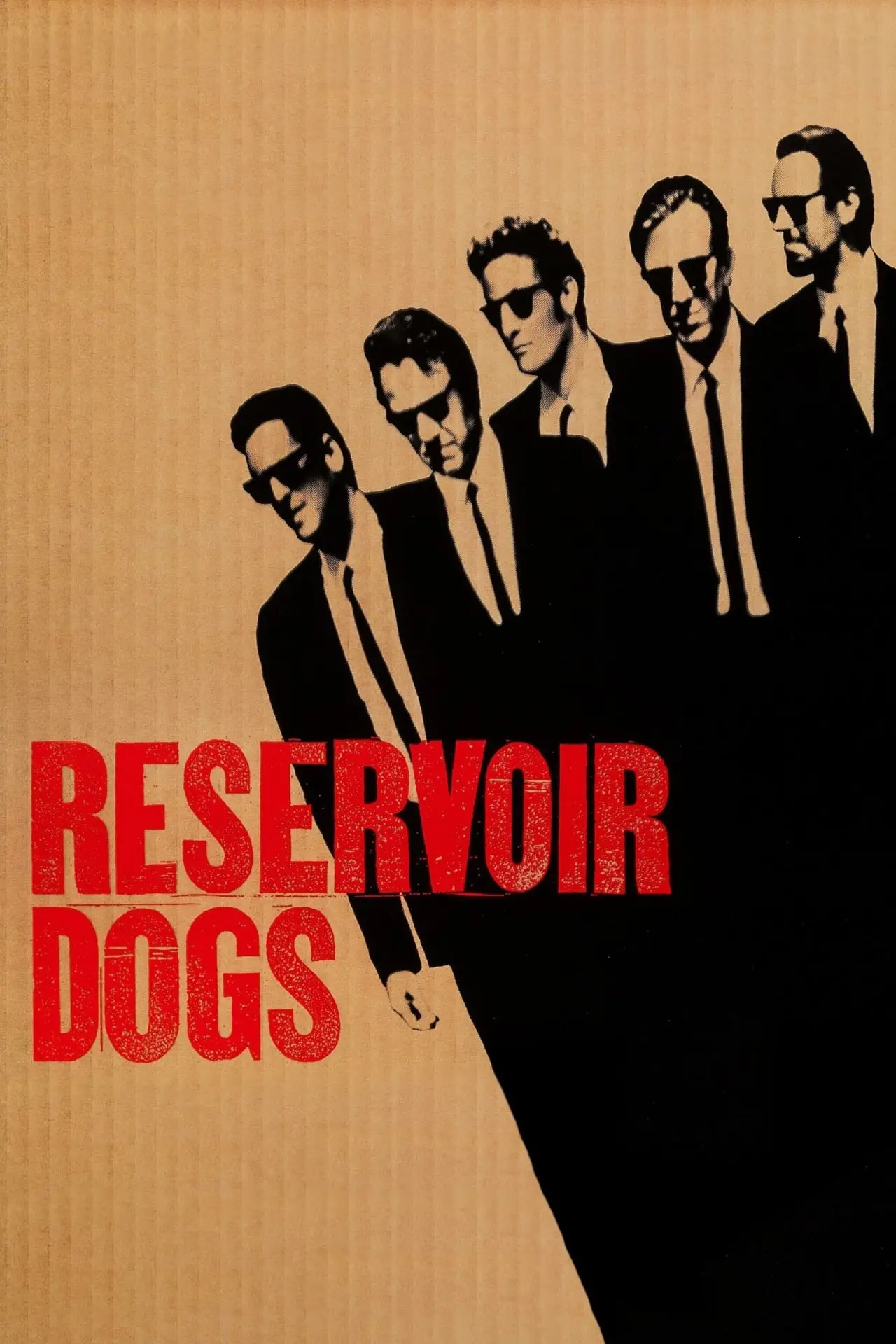
Reservoir Dogs follows a group of criminals assembled by a crime boss for a jewelry heist. The men are strangers to one another and know each other only by color-coded aliases: Mr. White, Mr. Orange, Mr. Pink, Mr. Blonde, Mr. Blue and Mr. Brown. The robbery goes wrong when the police appear to have been waiting for them, and the survivors gather at a prearranged warehouse. With one of them badly wounded and suspicion spreading that someone in the group informed on them, the criminals turn on each other.
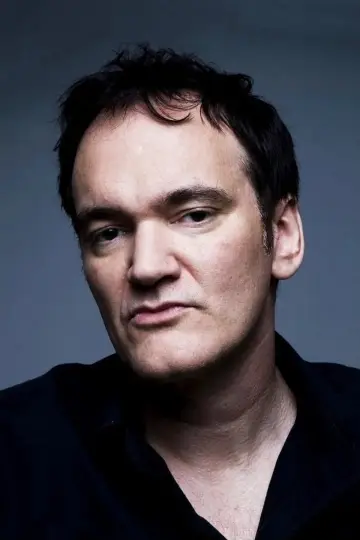
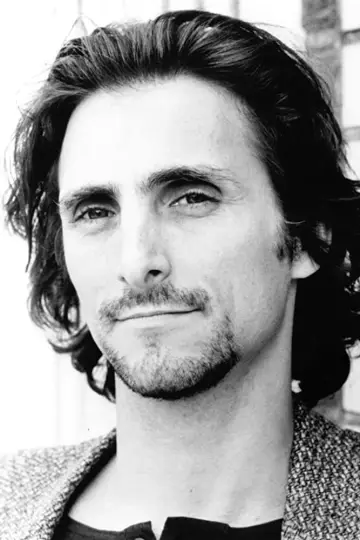
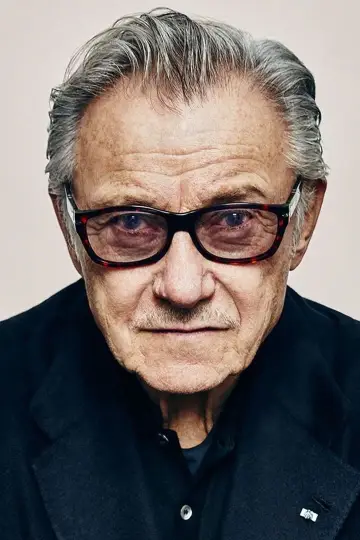
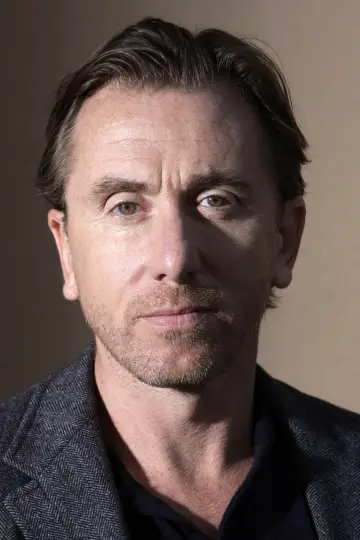
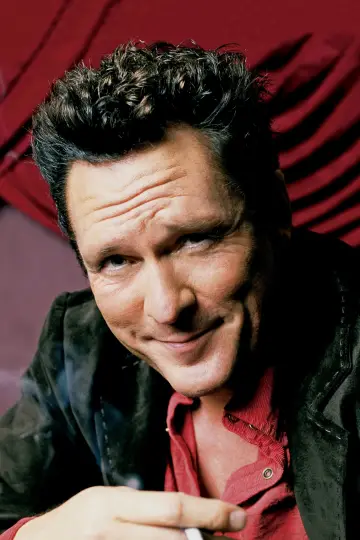
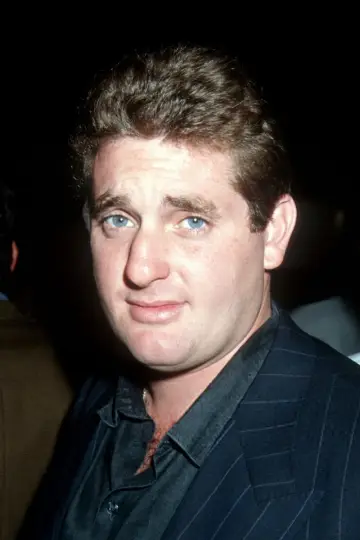
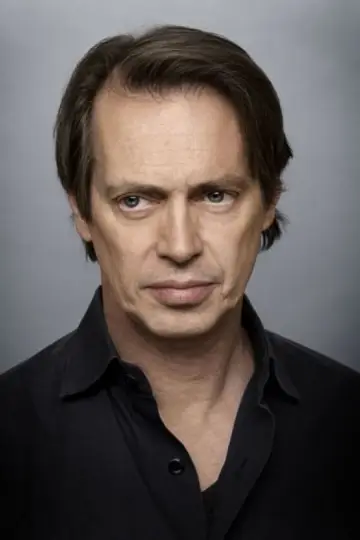
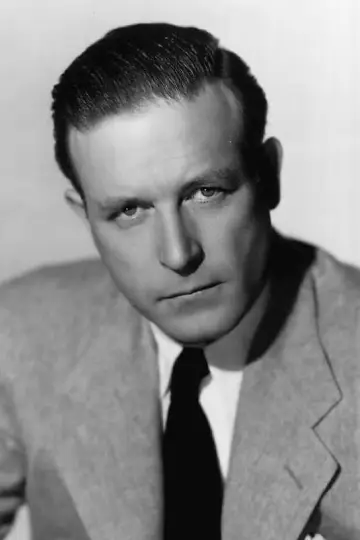
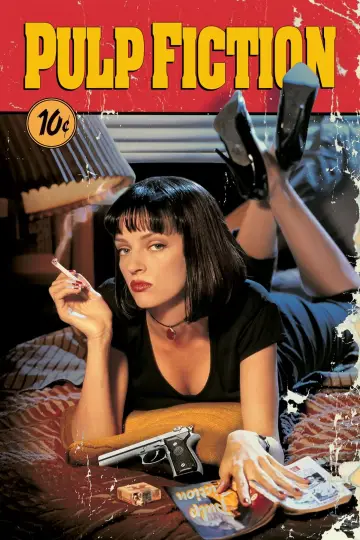
The 1992 crime thriller was directed by Quentin Tarantino, who wrote the screenplay with Roger Avary. It is the second of sixteen films he has directed in chronological order, following Reservoir Dogs (1991) and preceding Pulp Fiction (1994), and was produced by Lawrence Bender. Harvey Keitel plays Mr. White, Tim Roth plays Mr. Orange, Michael Madsen plays Mr. Blonde, Steve Buscemi plays Mr. Pink, Chris Penn plays "Nice Guy" Eddie Cabot and Lawrence Tierney plays Joe Cabot, among 28 credited cast members and 108 credited crew.
Made for about 1 million USD, the film earned roughly 3 million USD worldwide. On IMDb it holds 8.3/10 from 1,200,000 votes, and on TMDB 8.1/10 from 15,836 votes. A critics' rating of 9/10 from 83 reviews places it above both audience scores.
What's left behind the scenes
- Director and screenwriter Quentin Tarantino wanted James Woods to star in the film and even raised the amount of the fee intended for this actor five times. However, Woods’ agent rejected all these offers, not even mentioning them to him, as the amounts were laughably small compared to his usual earnings. When Tarantino finally met Woods much later and he learned about his offer, the actor was so upset that he immediately fired his agent. Tarantino did not tell Woods which role he intended to cast him in, as he did not want to belittle the actor’s talent, who ultimately played it. However, everyone agrees: Tarantino could only see Woods as Mr. Orange.
- Samuel L. Jackson auditioned for the role of Mr. Orange. Although he did not end up starring in the film, Tarantino was so impressed with him that he invited him to "Pulp Fiction" (1994).
- George Clooney, who auditioned for the role of Mr. Blonde, was rejected.
- The role of Mr. Pink (played by Steve Buscemi) was written by Tarantino for himself, but he eventually preferred to play Mr. Brown.
- Michael Madsen, who played Mr. Blonde, initially auditioned for the role of Mr. Pink, and Buscemi for the role of Mr. White, which eventually went to Harvey Keitel.
- Initially, Tarantino wanted Tim Roth to play either Mr. Blonde or Mr. Pink.
- The title of the film was born out of Tarantino’s fascination with the films "Au revoir les enfants" (1987) and "Straw Dogs" (1971). Not knowing French well, Tarantino called the first film “that reservoir movie.” As a result of a simple combination, the title “Reservoir Dogs” was created.
- Initially, Quentin Tarantino intended to shoot this film in black and white, casting his actor friends. The script was passed from hand to hand and eventually ended up with Harvey Keitel, who liked it so much that he immediately agreed to star in the film and even helped find funding sources.
- Robert Kurtzman agreed to do the special makeup for free on the condition that Tarantino, in turn, would agree to write the screenplay for “From Dusk Till Dawn” (1995), based on a Kurtzman story.
- To avoid scaring off sponsors, producer Lawrence Bender decided to shoot scenes without blood and violence first, which were shown to investors as working material. All the main scenes were filmed later.
- Quentin Tarantino borrowed the plot and many scenes from Ringo Lam’s Hong Kong action film “City on Fire” (1987), which he loved. Chow Yun-Fat starred in that film.
- Tarantino decided to dress his characters in black suits and white shirts with black ties, just like the characters in John Woo’s Hong Kong film “A Better Tomorrow 2” (1987).
- The film's budget was not enough for costumes, so many actors filmed in their own clothes. In addition, Michael Madsen had to drive his own Cadillac during filming.
- The warehouse featured in the film was previously used as a morgue.
- The word “fuck” is spoken 252 times in the film.
- Tarantino, who generally avoids advertising various brands in his films (product placement), used “Red Apples” cigarettes, which he invented himself, and cornflakes with names that had been discontinued as early as the 1970s.
- The film was awarded prizes at film festivals in Toronto, Stockholm, and Catalonia, as well as the “Independent Spirit” Award for Best Supporting Male Role (Steve Buscemi) and the London Film Critics’ Award for Best Directorial Debut.
- During the end credits, you can notice that Terry Gilliam is mentioned in the “special thanks” section. Tarantino thanked Gilliam for the many helpful tips he gave Quentin during a seminar at the Sundance Film Festival.
- David Duchovny auditioned for one of the roles in the film.
- Originally, in the first scene of the film, the main characters were supposed to reminisce about Pink Floyd’s song “Money”. However, Tarantino later changed the song to “Little Green Bag”.
- Mr. Pink says that he doesn’t tip waitresses who simply do their job. Interestingly, two years later Steve Buscemi would play a similar waitress in “Pulp Fiction” (1994).
- The first rough cut of the film was ready just three days before its world premiere at the Sundance Film Festival.
- Madonna, whose song is actively discussed by the characters in the film, really liked the film but, according to her, the interpretation of “Like a Virgin” is completely wrong. Madonna gave Tarantino a copy of the album “Erotica”, signed as follows: “To Quentin. The song isn’t about penises. It’s about love. Madonna”.
- The criminals in “The Taking of Pelham One Two Three” (1974) also refer to each other by different color shades.
- In Mr. Orange’s apartment, you can see a box of “Fruit Brute” cereal. Exactly the same cereal appears in “Pulp Fiction” (1994).
- Shortly before the end of the film, Lawrence Tierney says: “Dead as Dillinger.” Lawrence played John Dillinger in the film “Dillinger” (1945).
- Mr. Blonde’s name is Vic Vega. Vincent Vega (John Travolta) from “Pulp Fiction” (1994) is his older brother.
- On the special DVD edition of the film, dedicated to the tenth anniversary of the film, one of the deleted scenes reveals that Mr. White’s full name is Lawrence Dimmick. Interestingly, Jimmy (a character played by Quentin Tarantino in “Pulp Fiction” (1994)) has the same last name.
- Nina Semashko played McClusky, but scenes with her participation were cut from the film. The deleted scenes can be found on the DVD.
- Several coffins can be seen in the warehouse where most of the action takes place. In addition, Mr. Blonde sits on an old hearse.
- In one of the deleted scenes (available on DVD), Nice Guy Eddie considers taking the wounded Mr. Orange to a nurse named Bonnie. Interestingly, there is a nurse with the same name in “Pulp Fiction” (1994).
- Christopher Walken was offered the role of Mr. Blonde, but he declined.
- The line Mr. White says to Mr. Pink – “I need you to calm down. Are you calm?” – was added to the script after a fight broke out between Lawrence Tierney and Michael Madsen. To ease the tension and continue filming, Quentin Tarantino said to Lawrence, “Larry, I need you to calm down. Are you calm?”
- Throughout the film, Mr. Pink repeatedly states the importance of remaining professionals. This is a reference to Howard Hawks, Quentin Tarantino’s favorite director.
- A keen-eyed viewer may notice that Mr. Orange’s apartment is on the floor above the warehouse where the main action of the film takes place. Due to budget constraints, the filmmakers had to renovate the space, making it resemble residential apartments.
- Kirk Baltz asked Michael Madsen to drive him around in the trunk of the car. Madsen agreed, believing that to better understand his character, it would also be beneficial for him to take someone for a ride in the trunk. Therefore, Michael deliberately drove on a road with numerous potholes and bumps.
- Originally, the song “Ballroom Blitz” by “Sweet” was supposed to play during the torture scene.
- The film was released in the US without advertising, and therefore performed poorly at the box office. However, when the film was released in England, many people already knew Tarantino, and the film became a huge hit in British cinemas.
- The film lacks female characters with dialogue. However, they are present in deleted scenes on the DVD.
- According to Empire magazine, the film was named the best independent film of all time. Readers of the same magazine called the film the most important (influential) film of the last fifteen years.
- Robert Forster auditioned for the role of Joe Cabot.
- Timothy Carey auditioned for the role of Joe Cabot, but Tarantino felt he was not suitable for the role.
- For the European promotional campaign of the film, so-called character posters (a separate poster for each character) were used. Such posters are now released for almost all films with many main characters, but at that time it was a novelty.
- Kirk Baltz auditioned four times for the role of Marvin Nash before being cast.
- Quentin Tarantino wrote the first version of the script in three and a half weeks.
- According to Edward Bunker, the film was supposed to include a scene explaining what happened to his character (Mr. Blue), but it was never filmed due to budget constraints.
- The behavior of Mr. Pink (played by Steve Buscemi) at the very beginning of the film regarding the tip for the waitress is entirely based on a young Tarantino. Quentin admits that he used to, when he also had no financial means (earning about $50 a week), be guided by exactly the same motives as Mr. Pink. Buscemi himself is now very afraid that people will say about him: “That’s the greedy guy!” And to somehow protect himself from incorrect views, he now overpays tips. And forgetting to give someone a tip is now one of his phobias.
- A paramedic was present on the set to ensure that the amount of blood flowing from Mr. Orange corresponded to reality.
- Sometimes Timothy Roth had to lie in a pool of artificial blood for so long that it would dry. As a result, the actor was peeled off the floor for several minutes.
- The total number of deaths in the film (shown and unseen) is 17.
- In one scene, Joe asks Mr. White about a girl named Alabama. This is a reference to Patricia Arquette’s character from the film “True Romance” (1993). According to Tarantino, Clarence (Christian Slater) was supposed to die at the end of Tony Scott’s film. Shortly thereafter, Alabama was supposed to meet Mr. White and start a life of crime with him. However, the producers changed the ending of “True Romance,” making a meeting between Mr. White and Alabama impossible.
- It is assumed that Mr. Blonde killed more people than any other character in the film, yet the viewer never sees Blonde kill anyone on screen.
- The actress who played the woman shot by Mr. Orange (Tim Roth) was his accent coach. Tim specifically insisted that she play the role as a way to “get back” at her for being too strict with him during lessons.
- When the police officer begs Mr. Blonde not to burn him, he says he has a young child. This line was not in the script and is an improvisation by Kirk Baltz. When he said it for the first time, Michael Madsen, whose son had been born shortly before filming began, was so shocked and horrified by the idea of leaving a child fatherless that he couldn’t finish the scene.
- According to Quentin Tarantino, Mr. Pink survived the ending of the film. If you turn up the volume, you can hear the following in the background: as Mr. Pink runs out of the building, the police shout at him to drop his weapon. Then gunshots are heard, and Mr. Pink shouts that he has been shot. Then the police talk to each other during Mr. Pink’s arrest.
- In the scene where Nice Guy Eddie is talking on a mobile phone about the robbery, you can see an orange balloon floating past his car. Some viewers believe this was done deliberately to hint that Mr. Orange is a mole. However, according to Quentin Tarantino, this is purely coincidental.
- When Mr. White and Mr. Pink are talking about what went wrong during the robbery, you can see seven bottles on the wall behind them. One is filled with white liquid, three with pink liquid, and the remaining three with orange liquid. The white and pink bottles are next to each other, while the orange ones are separate from them. At the same time, Mr. White and Mr. Pink are in the same room, while Mr. Orange is in another.
- The scene where Blondie cuts off the policeman's ear is a direct quote from Quentin Tarantino's favorite spaghetti western, "Django" (1966).
- While Mr. Blonde is pouring gasoline on the bound policeman, he kicks his legs vigorously and shakes his left leg. However, in the next shot, we see that both of the policeman's legs are tied to the chair.
- At the 21-minute mark, when Steve Buscemi (Pink) shoots back at the cops, the briefcase with the diamonds is lying under the car. In the next shot, when he opens the car door, the briefcase is gone.
Similar movies


 Auditions in India
 Casting calls in USA
 Castingi w Polsce
 Кастинги в Україні
