How many and what kind of photos are required for the application
Behind the Scenes: ACMODASI: How many and what kind of photos are required for the applicationYour profile is opened only after you have passed the initial search filters. From there, the grid of photos decides everything: a casting director in Mumbai, Hyderabad, or Chennai scans it in a few seconds and either stops to look closer or returns to the list. The goal of your photo set is to show exactly who you are and what your range is within those few seconds.
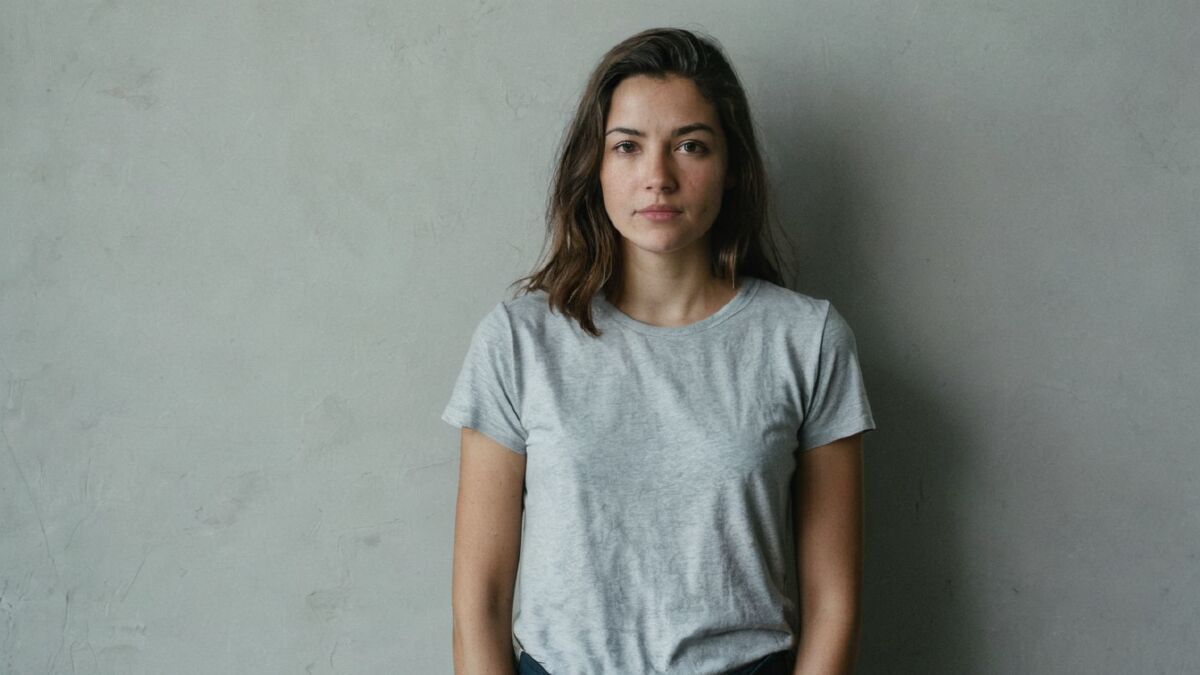
The Working Minimum
Six to eight shots cover almost any requirement:
- Main Headshot. A close-up of the face, neutral expression, eyes clearly visible and engaging.
- Alternative Mood Portrait. Either sharper or softer than the main one to show versatility.
- Full-Length Shot in Neutral Clothing. Clearly showing your physique and proportions.
- Profile or Three-Quarter View. Shows the shape of the head, which is crucial for makeup and costume designers.
- Character Look based on your Type. If you are often cast as a corporate professional or a police officer, include a corresponding look rather than something abstract.
- Second Type/Archetype, if you have one.
- Candid Shot. A natural photo in motion, a still from a previous shoot, or a shot in a natural environment.
- Recent Unprocessed Photo. A raw image showing exactly how you look today.
Fewer than four photos make the profile look incomplete. More than twelve make the set hard to digest and can actually work against you.
The Main Photo: Specific Requirements
This is the only image guaranteed to be seen—in the search results. The requirements here are stricter:
- The face occupies most of the frame.
- Direct eye contact with the camera.
- No sunglasses, hats, or oversized jewelry.
- No filters or heavy retouching.
- Neutral background.
- Taken no more than a year ago.
- Not a profile shot, not from the back, and not in deep shadow.
A simple test: shrink the photo to a thumbnail size. If the face is no longer recognizable or clear, it is not suitable as the main photo.
The Order of Photos
The sequence is as important as the selection itself. Use this order: main headshot, full-length shot, second portrait, character looks, then candids. The casting director should understand your "type" within the first three images; only then should they explore your range.
A common mistake is placing the most "artistic" or stylized photo first. While beautiful, it doesn't answer the primary question: "What does this person actually look like?"
What Harms Your Profile
- Ten identical portraits wearing the same sweater with the same expression.
- Collages and frames. These hinder the assessment of your appearance and look unprofessional.
- Photos with other people. It should be immediately clear who you are.
- Wedding, vacation, or party photos.
- Heavy filters and editing that alters your facial features.
- Dark frames where the face is not visible.
- Outdated photos. It is worst when some photos are old and others are new; the inconsistency is glaring.
- Low-quality screenshots from previous projects.
- Selfies. The only exception is a recent, unprocessed shot to show your current look.
Different Types: How Much to Show
If you are cast in two distinct types of roles, show both—two to three shots for each. If you try to show more than three types, you aren't showing range; you are blurring the casting director's perception of you.
The test: ask someone who doesn't know you to look at the set and describe what roles you could play in a film. If the answer is vague, you need to narrow the set, not expand it.
How Often to Update
- Main Headshot — once a year.
- The Entire Set — every two to three years.
- Immediately — after a haircut, changing hair color, significant weight change, or growing/shaving a beard.
Technical Requirements
- Resolution must be high enough that the image doesn't pixelate when zoomed in.
- Correct orientation — portraits and full-length shots should be vertical.
- No photographer watermarks across the face.
- Consistent color grading across the set; a mismatched mix looks like a random collection.
Summary
- Six to eight shots: two portraits, full length, profile, one or two character looks, a candid, and a raw recent photo.
- Main photo: close-up of the face, eye contact, clear as a thumbnail.
- The first three frames must define your type.
- Remove collages, filters, group photos, and old images.
- Update the main portrait annually and the full set every two to three years.
Your profile works 24/7, even when you aren't actively applying: this is how you are discovered in the database. Find open projects in the castings section.
Share


Author: Alexander Shaida, Editor-in-chief
Publication date: 17 August 2026
Views: 125
About us and our editorial policy
Comments
Other materials in this section
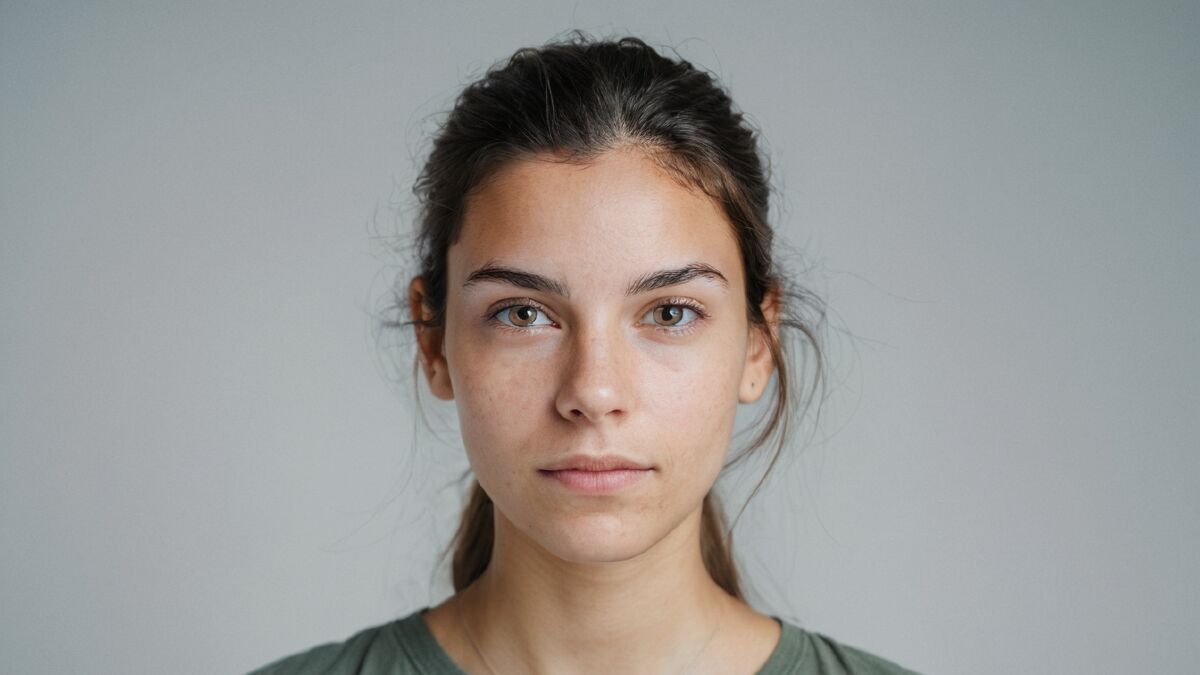
A detailed breakdown of every section: from choosing the right lead photo to describing your experience and avoiding the common mistakes that lead to rejected profiles.
Learn how talent database searches work, why a skill without a proficiency level is useless, and which keywords help you land in the final selection.
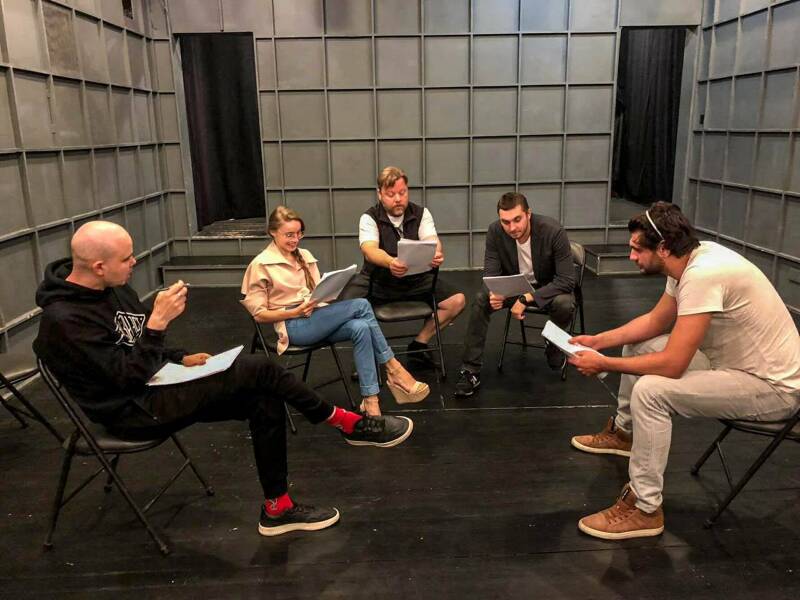
Discover the complete process of building a character from script to stage. Learn how actors analyze text, create backstory, develop physical life, map emotional journeys, and transform written words into living, breathing characters.
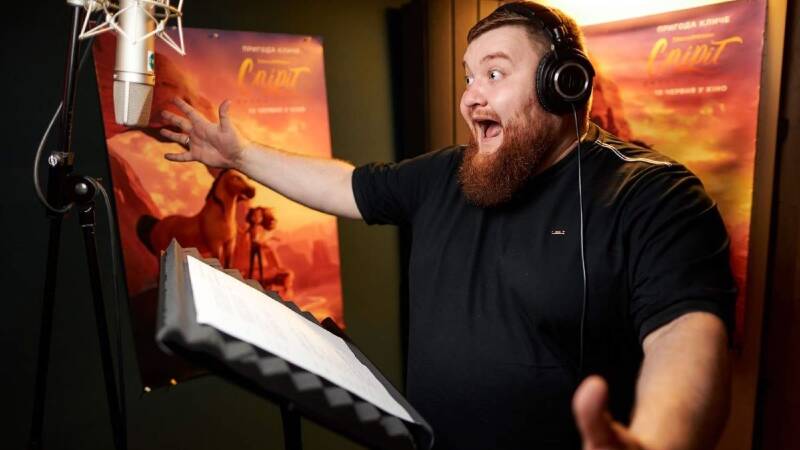
A voice without a body must carry everything within it: character, emotion, story. This is the paradox and the central challenge of voice acting — the performer works with a single instrument, but that instrument must replace everything else.
 Auditions in India
 Casting calls in USA
 Castingi w Polsce
 Кастинги в Україні
