Basic camera exercises you can practice at home
Behind the Scenes: Education: Basic camera exercises you can practice at homeThe skill of acting for the camera is developed through the practice of recording, and it is the only part of the profession that can be fully trained at home alone. All you need is a smartphone, a tripod (or a stack of books), and thirty minutes a day.
How the Camera Differs from the Stage
- Scale. The stage requires projection to reach the back row; the camera captures a whisper and the slightest twitch of an eyebrow.
- Thought over Expression. In a close-up, it is immediately apparent whether an actor is truly thinking or simply pretending to think.
- Non-linearity. Unlike a play, scenes are shot in fragments and often out of chronological order.
- Repeatability. Theater allows for variations from one show to another, but cinema requires consistency from take to take for the sake of continuity.
- Technical Constraints. Marks, focus, lighting, and staying within the frame.
Actors trained at institutes like the National School of Drama (NSD), FTII, or SRFTI often go through a period of recalibration when transitioning to screen. This period is shortened exactly by how much you record yourself at home.
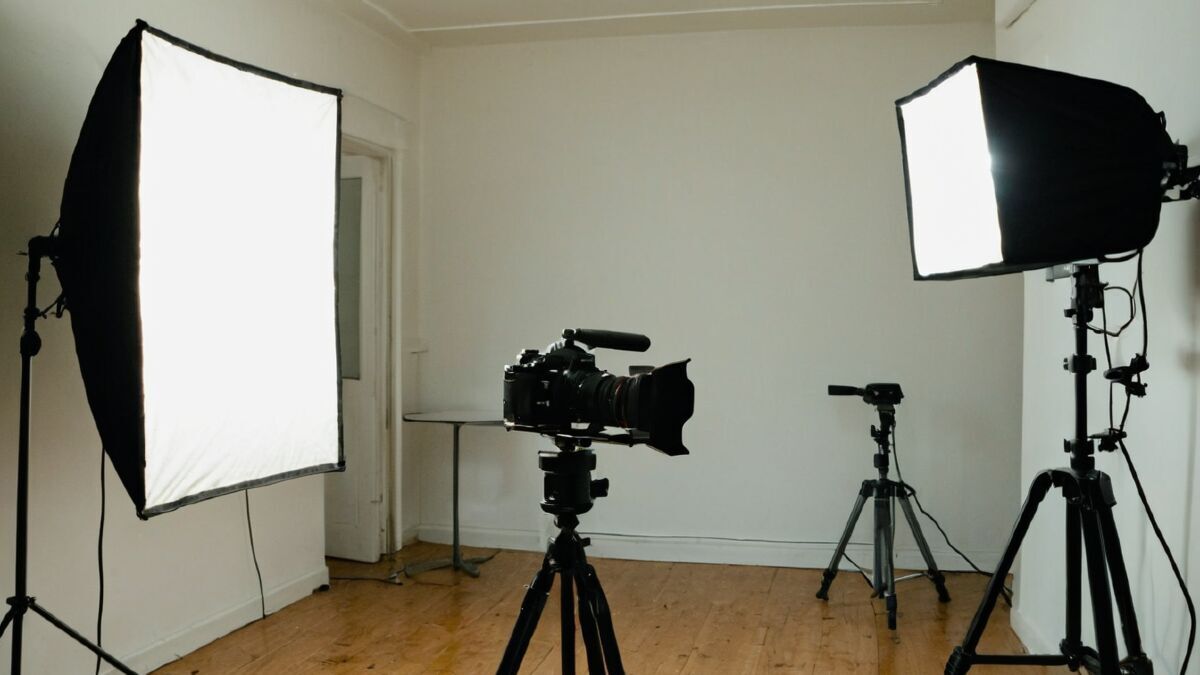
Setting Up Your Home Studio
- Lighting. During the day, face a window. In the evening, place a single lamp in front of you, slightly above eye level.
- Camera. Phone at eye level, mounted on a tripod or a stable support.
- Frame. A medium close-up (chest up), shot horizontally.
- Background. A plain, neutral-colored wall.
- Sound. A quiet room with the phone placed about 1.5 meters away.
Having a dedicated, pre-set filming spot removes the main barrier: the need to set everything up from scratch every time.
Presence Exercises
The Minute of Silence. Start recording and simply sit in the frame for one minute, thinking about something specific. Do not "act." Review the footage. The goal is to see what happens to your face when you are "doing nothing." This is the baseline state from which everything else grows.
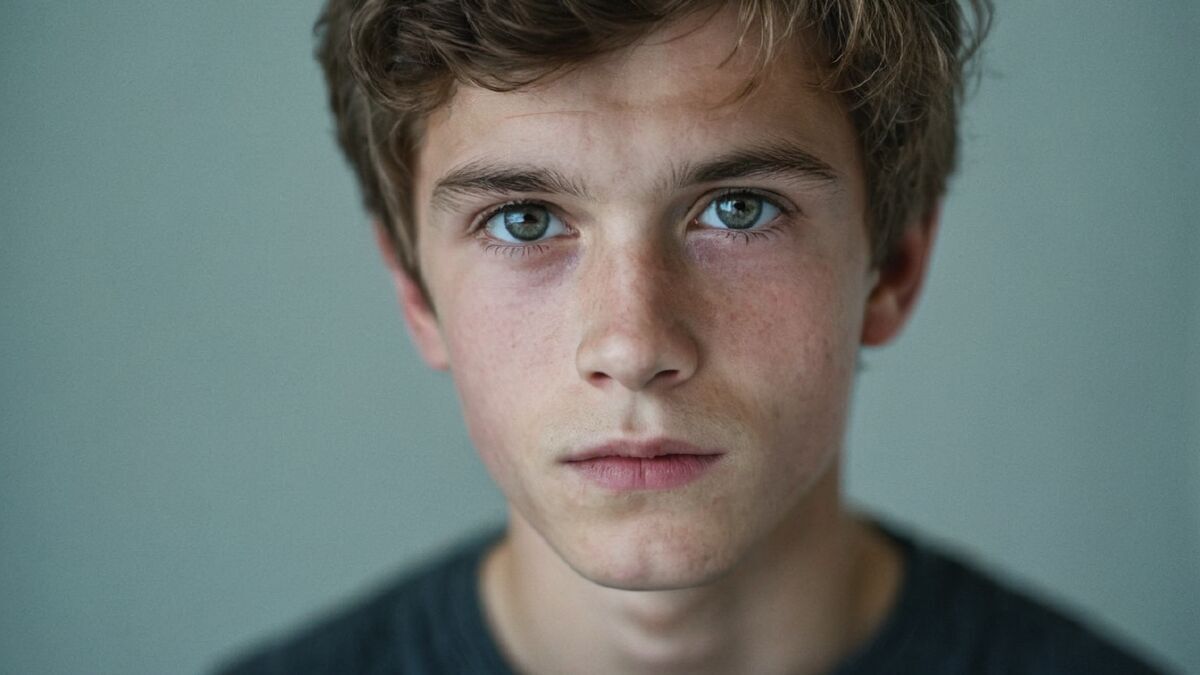
Shift of Thought. While in the frame, mentally move from one memory to another every fifteen seconds (use a timer beep). On the recording, it should be visible that something has changed, even though you didn't "play" any external emotion.
Listening. Play a recording of someone else speaking and listen to it in the frame, reacting. Reaction is half the work on a professional set—whether in Mumbai, Hyderabad, or Chennai—and it must be trained separately.
Scale Exercises
Three Volume Levels. Deliver the same line as if you were on a theater stage, then as in a casual conversation, and finally almost in a whisper. Review: where was it convincing and where did it feel too "theatrical"?
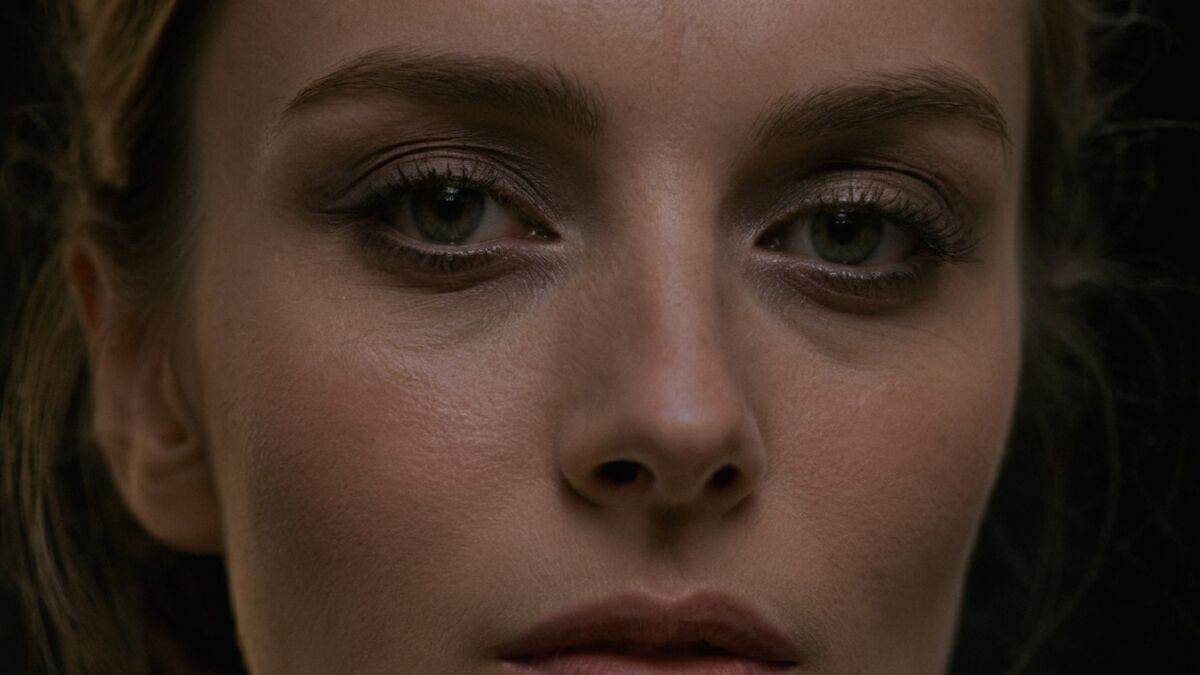
Reducing Amplitude. Perform a scene with full energy, then repeat it by halving the intensity, and then halving it again. Often, the third version is the most effective for the screen.
Eyes Only. Perform an emotional transition without moving anything except your eyes. This is where the power of the close-up lives.
Technical Exercises
Repeatability. Perform a short segment three times in a row, trying to repeat your movements identically. Compare the recordings: where was a hand in a different position? Where did the tempo shift? This is a direct skill needed for the editing process.
Hitting the Mark. Mark a spot on the floor. Start the scene in a different location and move to the mark naturally, without looking down at your feet.
In and Out. Practice clean starts and finishes: one second of stillness before and after the dialogue. Editors need these "handles" to cut the scene.
Off-Lens Gaze. Place a marker next to the camera and act, addressing that marker rather than the lens. Getting used to this takes a few sessions.
Working with Text for the Camera
- Take a short scene from any script or play.
- Analyze it: the event, the objective (expressed as a verb), and the obstacle.
- Memorize it perfectly.
- Record three versions: neutral, harsher, and softer.
- Review and choose which one works best.
- Record one more take based on what you observed.
This cycle is essentially a self-tape, and it is the best exercise: you are training your skills while simultaneously building a portfolio of material.
How to Analyze Your Recordings
The review is half the benefit, and it must be done correctly:
- Watch without sound. Is it clear what is happening? Is the objective readable through the face and body?
- Listen without picture. Is the speech clear? Is the intonation natural? Are the endings of words being swallowed? (This is especially important for those working in multilingual productions or dubbing).
- Watch in full. Does what you intended to play match what is actually visible?
- Look for tension. Check for stiffness in the shoulders, neck, jaw, or hands.
- Identify one thing to fix in the next take. Just one, not ten.
Do not judge your appearance. That is a separate matter and only distracts from analyzing the acting.
Training Schedule
- Twenty to thirty minutes, four to five times a week.
- One presence exercise, one technical exercise, and one scene.
- Once a month, review recordings from a month ago—this is the only way to truly see progress.
- Save successful takes: some of them can be used in your showreel.
Summary
- The camera requires reduced amplitude and precision instead of projection.
- Set up a permanent home filming spot to remove technical barriers.
- Train presence, scale, repeatability, and hitting marks separately.
- The cycle of "analysis — three versions — review — final take" replaces a formal class.
- Analyze recordings first without sound, then without picture, then in full.
- Correct only one point at a time.
Your completed recordings will be invaluable for your showreel and when applying for castings.
Share


Author: Sanjay Iyer, acting coach
Publication date: 28 August 2026
Views: 42
Comments
Other materials in this section
Discover the actual level of language proficiency required for filming, the difference between speaking and performing, and how to honestly list your skills on a casting profile.
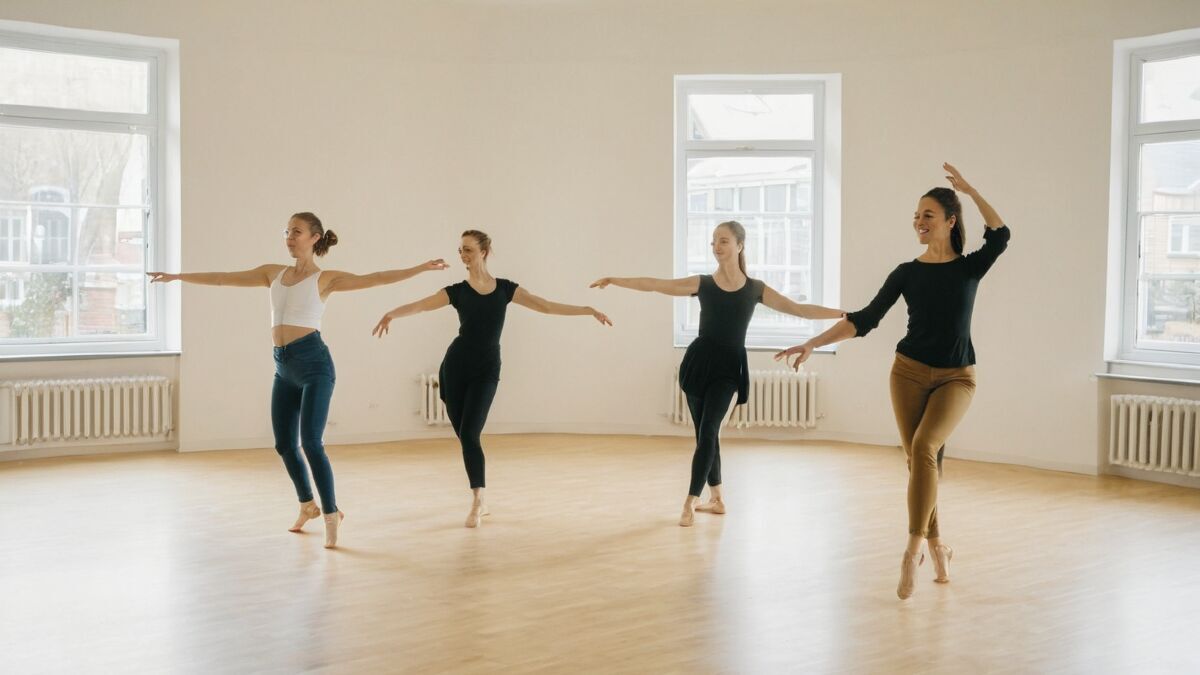
Discover which dance skills are truly requested at auditions, which styles provide the most professional benefit, and how to accurately list your level in your portfolio.

Swallowed endings, a locked jaw, monotony and pace — what gets in the way at auditions, what you can fix alone and when you need a teacher.
Discover how improvisation helps during auditions and on set, the core principles of the craft, and practical exercises to overcome the fear of a blank mind.

A full-time institute, an evening course or a weekend workshop — what problem each format solves, how to judge one before paying, and what no training provides.
A self-study program covering breathing, articulation, diction, and intonation. Learn what to practice daily, how to track your progress, and when it is time to seek professional coaching.
 Auditions in India
 Casting calls in USA
 Castingi w Polsce
 Кастинги в Україні
