Which dance styles are actually essential for an actor
Behind the Scenes: Education: Which dance styles are actually essential for an actorListing dance in an actor's profile is not just a decoration; it is a functional keyword that casting directors use to filter talent. However, different styles serve different purposes: some lead directly to roles, others transform how you carry yourself on camera, and some are rarely useful in a professional filming context.
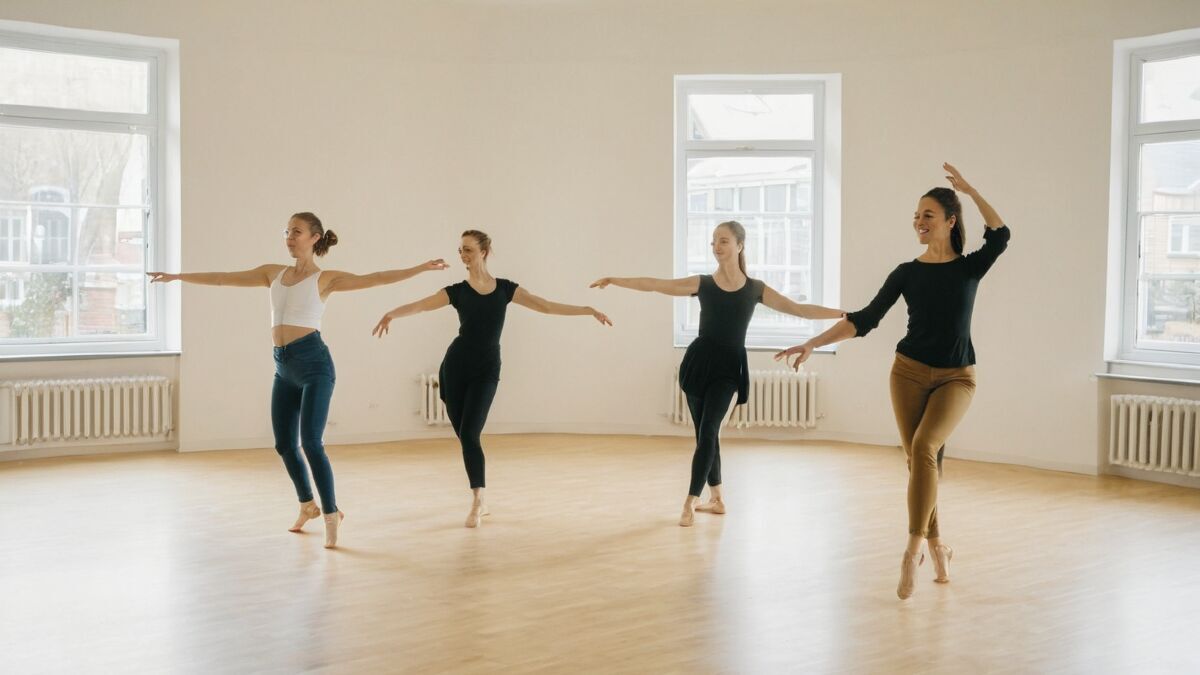
Why Actors Need Dance
There are two distinct benefits, and it is important not to confuse them.
Direct benefit. There are roles where dancing is a requirement: musicals, period dramas with formal balls, music videos, commercials, and club scenes. In these cases, the skill is explicitly requested and tested during the audition.
Indirect benefit, which is more important. Dance provides exactly what the camera reveals mercilessly: posture, coordination, a sense of rhythm, bodily freedom, and the ability to command space. An actor who has spent a year in any dance class moves differently, and this is evident on screen even when they are simply entering a room.
Styles That Lead to Roles
- Period and Social Dance. Waltz, Polka, and other ballroom classics. These are highly sought after in costume dramas and historical projects, yet few actors specialize in them. This is one of the most "profitable" lines in a portfolio.
- Folk and Classical Indian Dance. Whether it is Kathak, Bharatanatyam, or regional folk styles, these are essential for historical, ethnic, and culturally specific projects across various Indian languages.
- Ballroom. Tango, Foxtrot, and Latin styles—constantly appearing in scenes involving high-society parties or competitions.
- Modern Social Dance. Hip-hop, House, and street styles—essential for club scenes, music videos, and youth-oriented commercials.
- Classical Ballet. A narrow but existing niche; there are very few professional actors with formal ballet training.
Styles That Transform the Body
- Contemporary and Modern. The best investment for an actor: working with weight, inertia, floorwork, and partners. It provides freedom of movement rather than just a set of steps.
- Jazz-Funk. Helps develop core strength, posture, and confidence in movement.
- Plastic Training and Stage Movement. Not dance in the purest sense, but direct professional training for the stage and screen, often taught at institutes like NSD, FTII, or SRFTI.
- Floor Gymnastics/Pilates. Removes physical tension and corrects posture.
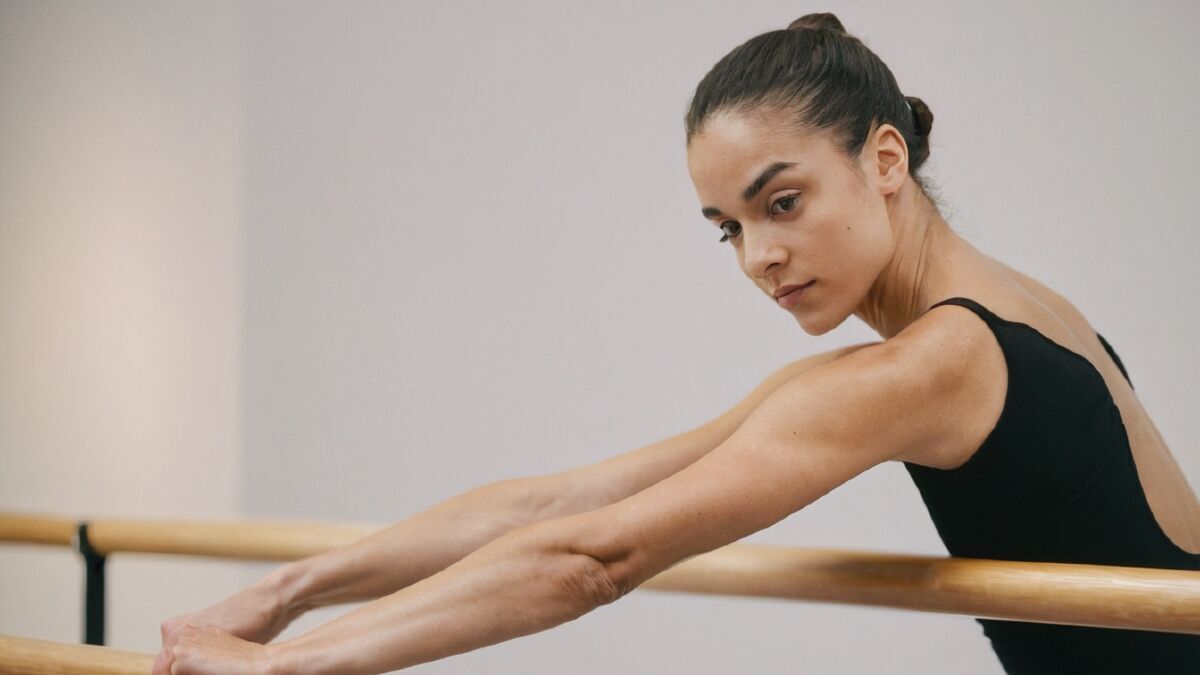
If you have to choose only one direction and you aren't aiming for a musical, go for Contemporary or Stage Movement.
What Provides Less Benefit
These aren't "bad" choices, but they are rarely useful specifically for an actor: highly specialized exotic styles, competitive ballroom dancing at a professional sports level without an interest in cinema, or high-intensity fitness programs masquerading as dance. They are good for the body, but they rarely translate into a valuable line on a casting profile.
How Much Training is Required
- Three to six months of regular practice — coordination and confidence emerge; the body stops getting in the way.
- One year — you can honestly list a "basic level" in your profile and handle simple choreography without fear.
- Two to three years — a level where you can be cast in roles where dance is a primary element of the performance.
Consistency is more important than intensity: two classes a week year-round provide more value than three months of daily training followed by a long break.
What It Looks Like on Set
If a project involves dance, the process usually follows this pattern:
- At the casting, you are asked to demonstrate a movement or perform a simple sequence.
- After being cast, rehearsals with the choreographer are scheduled—sometimes weeks before filming begins.
- The choreography is learned for a specific shot: the goal is not to dance "beautifully," but to fit the storyboard and the frame.
- On set, scenes are shot in segments, often without music or just to a count.
- There are many takes, and physical endurance often proves more important than technical perfection.
The practical takeaway: on set, the most helpful skill is not a complex repertoire, but the ability to learn a sequence quickly and repeat it twenty times identically.
How to List it in Your Profile
A skill listed without a level is ineffective. Be specific:
- Bad: dancing
- Good: Contemporary — 3 years, regular; Waltz and Tango — basic level, can perform on camera; Hip-hop — beginner
Separately mention if you can learn choreography quickly; for a production house, this is highly valuable information.
The honesty criterion is the same as for any other skill: can you do it in front of the camera in the first or second take? "Danced in school" is not a professional level.
How to Start as an Adult from Scratch
- Join a beginner's adult group, rather than a children's class or an advanced level.
- The first few months will feel awkward. This usually disappears by the tenth lesson for everyone.
- Watch the teacher, not the mirror. At the start, the mirror is often a distraction.
- Don't rush into complex sequences. Focus on coordination and rhythm first, then on the patterns.
- Record yourself. Just like with camera acting: you cannot see half of your problems from the inside.
- Warm up and do not force stretching. An injury can set you back by months.
Summary
- Dance provides direct roles and improves your overall presence on camera.
- Period and Ballroom styles are the most "profitable" lines in a portfolio due to a lack of specialists.
- For general bodily development, Contemporary and Stage Movement are the best choices.
- Consistency over intensity: twice a week, year-round.
- On set, the ability to learn quickly and maintain repeatability is more important than complexity.
- In your profile, list the style, duration of study, and an honest level.
For projects requiring dance skills, visit the castings section.
Share


Author: Sanjay Iyer, acting coach
Publication date: 07 September 2026
Views: 31
Comments
Other materials in this section
Discover the actual level of language proficiency required for filming, the difference between speaking and performing, and how to honestly list your skills on a casting profile.
Discover the key differences between stage and screen acting, how to get comfortable with the lens, and practical smartphone exercises to refine your performance.

Swallowed endings, a locked jaw, monotony and pace — what gets in the way at auditions, what you can fix alone and when you need a teacher.
Discover how improvisation helps during auditions and on set, the core principles of the craft, and practical exercises to overcome the fear of a blank mind.

A full-time institute, an evening course or a weekend workshop — what problem each format solves, how to judge one before paying, and what no training provides.
A self-study program covering breathing, articulation, diction, and intonation. Learn what to practice daily, how to track your progress, and when it is time to seek professional coaching.
 Auditions in India
 Casting calls in USA
 Castingi w Polsce
 Кастинги в Україні
