How to prepare for your headshots and what to request from your photographer
Behind the Scenes: Guides: How to prepare for your headshots and what to request from your photographerA headshot is a professional tool, not a glamour photo. Its sole purpose is to show a casting director the face of a person they can call for an audition. Anything that distracts from this goal — artistic lighting, heavy retouching, or complex makeup — reduces the value of the image, even if the shot looks visually stunning.
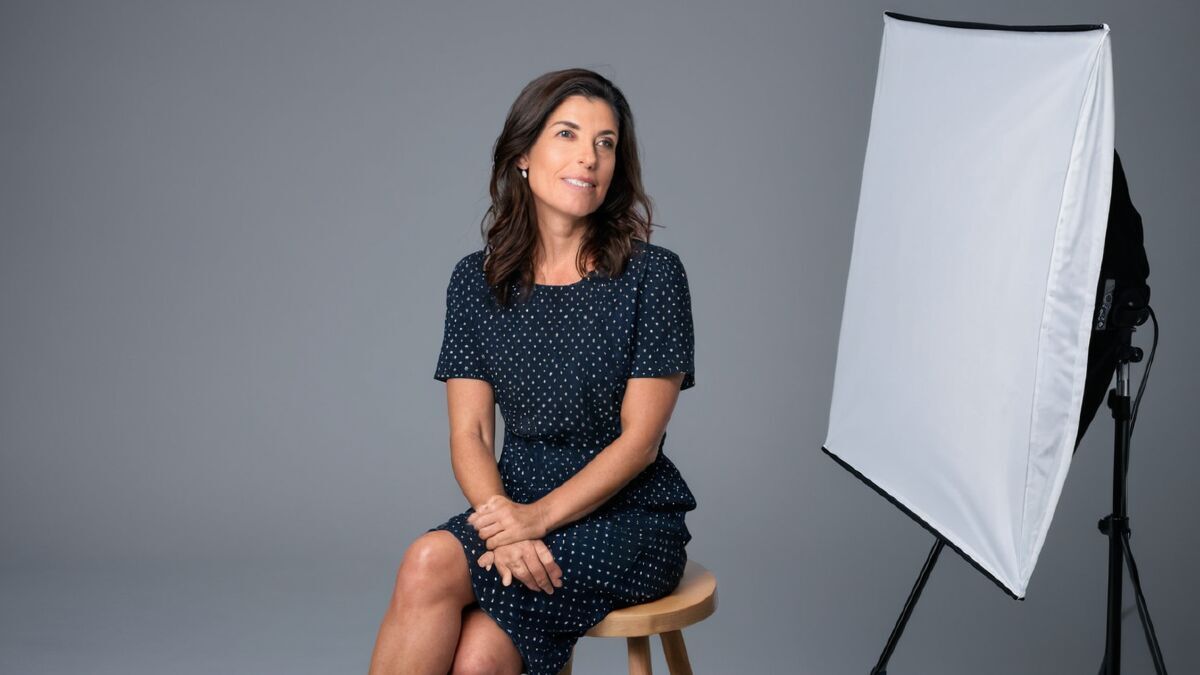
How to Choose a Photographer
The key criterion is not their general skill level, but their specific experience with acting portraits. A wedding photographer with a beautiful portfolio may take a lovely portrait of you, but it won't work for a casting call in hubs like Mumbai or Hyderabad.
What to look for in their work:
- The eyes are readable. In an acting portrait, the gaze must be clear, not hidden by glares or shadows.
- Diverse faces. If all their models look the same, that is the photographer's "style," not your portrait.
- Even lighting. Dramatic shadows on one side of the face are artistic but almost always useless for casting.
- Unnoticeable retouching. Skin should have texture, not look like a plastic surface.
- Full-length shots are present, not just close-ups.
Ask directly if they have experience shooting actors and if they understand the specific requirements for casting. An answer like "I'll make you look beautiful" is the wrong answer.
What to Agree Upon Before the Shoot
- How many looks are included in the session and the total time duration.
- How many edited frames you will receive and the delivery deadline.
- Whether they provide raw files — at least previews of all shots for selection.
- Who selects the frames for retouching — it should be you, not the photographer.
- What retouching is included. Explicitly state that facial features should not be altered.
- Usage rights. You need the right to post the photos anywhere without restrictions.
- Whether a makeup artist is provided and if they are included in the cost.
A Week Before the Shoot
- Do not make radical changes to your hairstyle. Get a haircut at least a week in advance so the hair "settles."
- Do not start new skincare treatments or cosmetics: skin reactions can be unpredictable.
- Get plenty of sleep for two or three consecutive days, not just the night before.
- Reduce salt and alcohol intake two days prior — this is noticeable in puffiness.
- Prepare your clothes and ensure everything is ironed.
What to Bring to the Shoot
- Five to seven tops of different tones: dark, light, medium, and one colored. Bottoms are rarely visible in a headshot.
- Solid colors without prints or logos. Stripes and small checks can cause "moire" (visual flickering) in the frame.
- Different necklines: round, V-neck, and a collared shirt.
- One "character look" — if you are often cast for a specific type, bring something that character would wear.
- A comb, styling products, tissues, and a mirror.
- Water and light snacks: a two-to-three-hour shoot is more exhausting than it seems.
What not to bring: bold jewelry, watches, glasses with reflective lenses, or scarves. All of these draw attention away from your face.
What Lighting to Request
Use this phrasing, which any professional photographer will understand: "Soft key light from the front, slightly above eye level, with light fill from below, and no harsh shadows on the face." This is the gold standard for actor portraits.
What not to ask for, and what to decline if suggested:
- Hard side-lighting that leaves half the face in darkness.
- Colored gels.
- Rim lighting that "eats" the contour.
- Shooting against a window to create a silhouette.
- Smoke, flares, or foreground bokeh.
The background should be a solid, light grey, or neutral tone. It must not compete with your face.
How to Behave in Front of the Camera
The main problem with acting shoots is the attempt to "act." For a headshot, you don't need a character; you need presence.
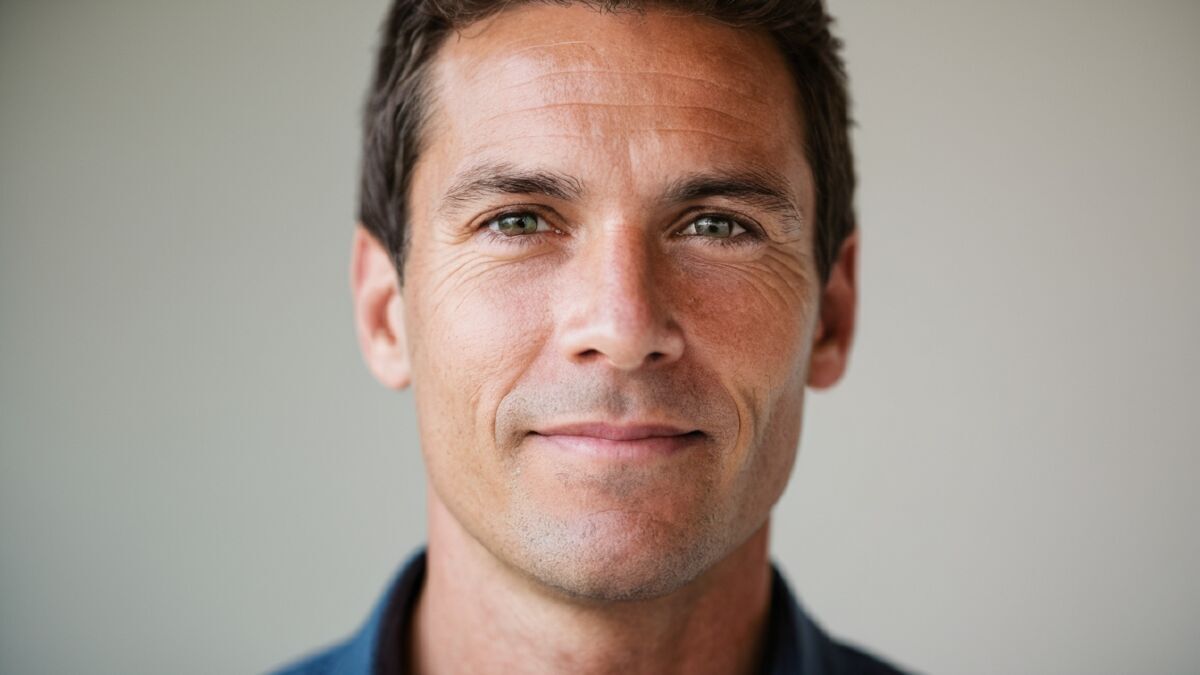
- Chin slightly forward and down. This eliminates the appearance of a double chin and opens the eyes.
- Drop your shoulders. Tension in the shoulders is always visible in photos.
- Breathe. Holding your breath reads as stiffness or anxiety.
- A thought instead of an expression. Think about something specific — the gaze will come alive naturally. A blank "photographic" look happens when there is nothing in the mind.
- Avoid a full-tooth grin. One or two shots with an open smile are enough; the rest should be neutral and slightly warm.
- Ask for pauses. Every twenty minutes, take a moment to stretch, drink water, and review the shots.
How Many Looks Per Session
Three to four is reasonable. Any more leads to a drop in quality: by the fifth look, you will be tired, and your face will look "stale." Each look consists of a change of top and a slight adjustment of hair, not a full makeup overhaul.
Ensure you capture both a close-up portrait and a full-length shot for every look.
How to Select the Frames
Selection is more important than the shoot itself, and it should not be done immediately.
- Review the previews a day or two later, not on the evening of the shoot.
- First pass — discard technical errors: closed eyes, blur, or strange facial expressions.
- Second pass — keep those where the eyes look "alive." This is the only non-negotiable criterion.
- Third pass — check for variety: different moods, not five nearly identical shots.
- Show the selection to someone in the industry (a peer or mentor), not your family. Family members choose where you look "prettier"; a casting director chooses where you look "right" for a role.
Retouching: Where is the Line?
Allowed: removing temporary blemishes — a pimple, redness, a stray hair, or dust on clothing. Slightly evening out the skin tone.
Not allowed: changing the shape of the face or nose, removing moles and scars, smoothing skin until it looks like plastic, changing eye color, or slimming the body. All of this will be revealed during an in-person audition and will create the exact problem you were trying to avoid.
Permanent features — moles, scars, or a gap between teeth (diastema) — are not flaws; they are the traits that make you memorable.
Summary
- Find a photographer with specific experience in acting portraits.
- Agree in advance on looks, deadlines, selection process, and rights.
- Bring solid-colored tops in various tones; no prints or jewelry.
- Request soft key lighting from the front; reject "artistic" experiments.
- Three to four looks per session, with close-ups and full-length shots for each.
- Select based on the "alive" look in the eyes; retouch only temporary imperfections.
Fresh materials work best for every database search. Find open projects in the castings section.
Share


Author: Alexander Shaida, Editor-in-chief
Publication date: 29 September 2026
Views: 9
About us and our editorial policy
Comments
Other materials in this section
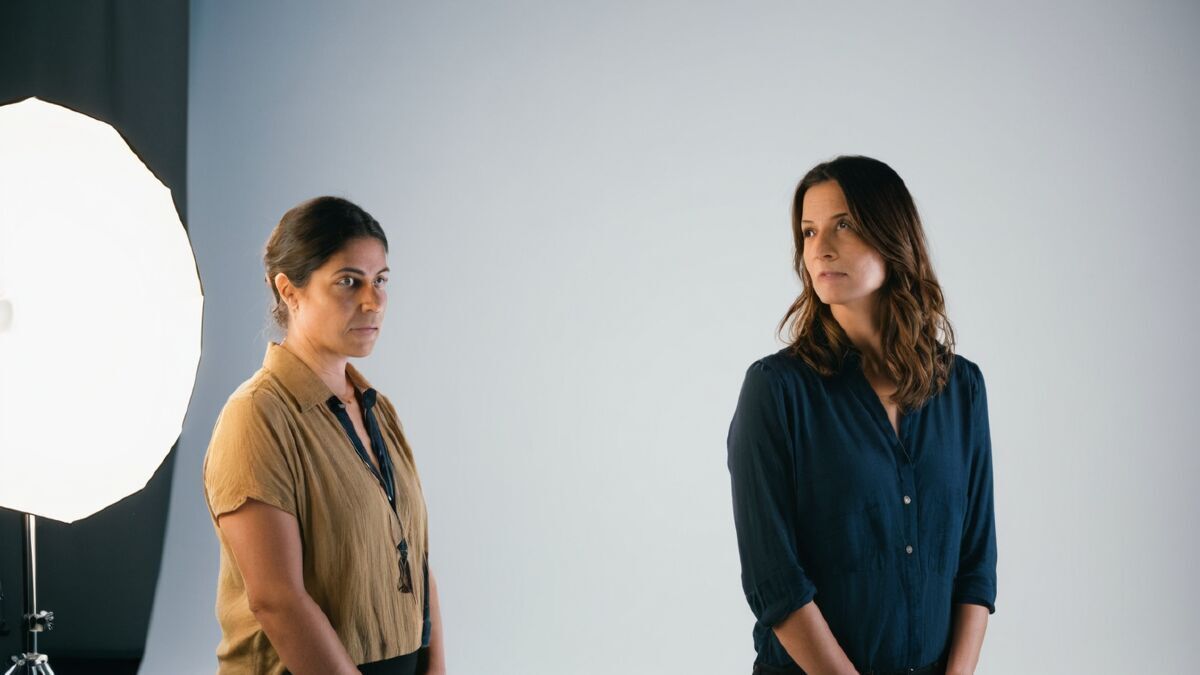
A step-by-step guide on updating your materials: what expires in a year, what lasts longer, and how to keep your portfolio current without spending a fortune.
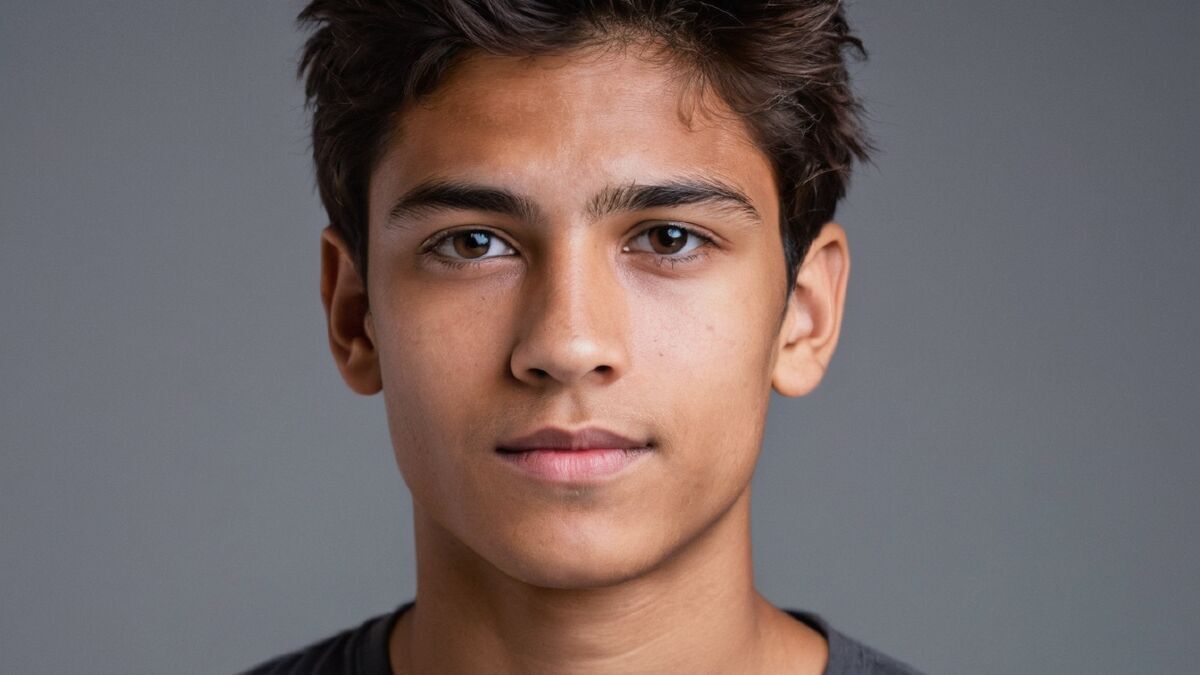
Learn what to include in your resume and in what order, how to list credits when starting out, which skills are valuable, and the difference between a resume and a website profile.
Learn how background and atmosphere artists are recruited, what to ask coordinators, how to handle payments and taxes, and how to navigate your first day on set.
Learn how to break down speech patterns by sound rather than stereotypes, where to find authentic references, and why clarity always beats phonetic perfection in the audition room.
What an invitation to a second round actually means, who will be in the room, and how to prepare for the final selection process.

From legal consents and shooting hours to spotting scams and managing the set—everything parents need to know before their child's first audition.
 Auditions in India
 Casting calls in USA
 Castingi w Polsce
 Кастинги в Україні
