How to create an acting showreel using your existing footage
Behind the Scenes: Guides: How to create an acting showreel using your existing footageCasting directors do not watch showreels in their entirety. The decision of whether a performer is "interesting or not" is usually made within the first fifteen seconds; from there, the video is either watched to the end or closed. This reality dictates everything else: the length, the order of clips, and what needs to be cut.
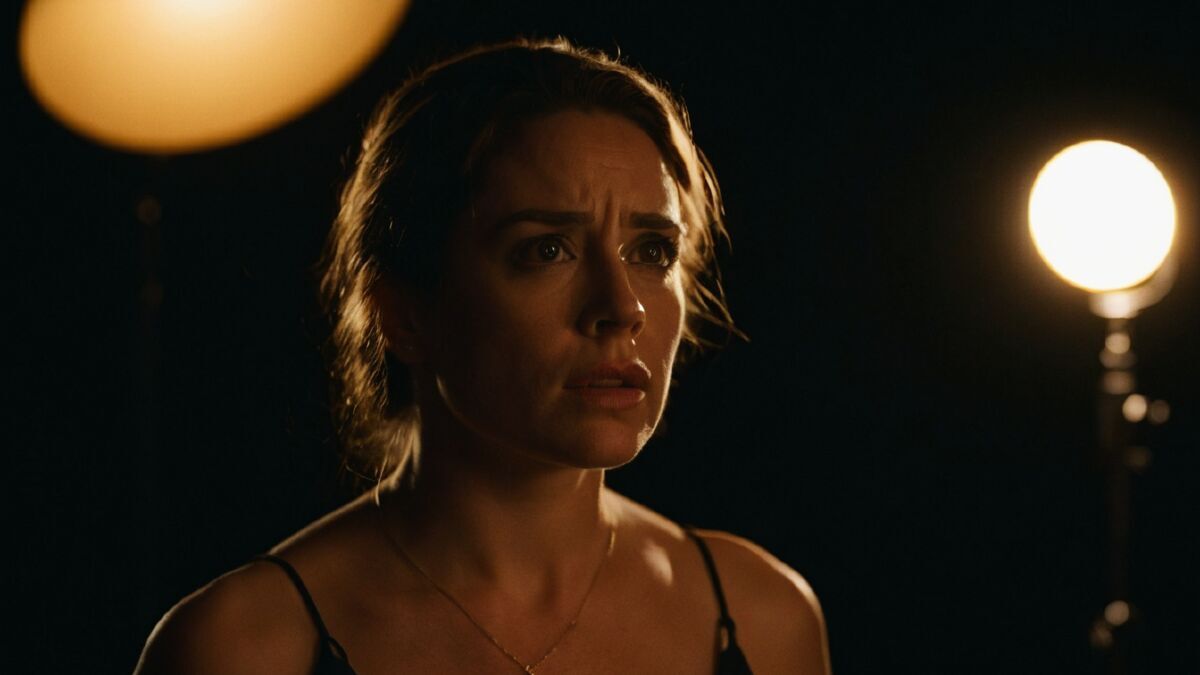
Why You Need One and How It Differs from a Video Introduction
A Video Introduction (Intro/Slate) is you speaking directly to the camera as yourself: an introduction, a few words about your background, and sometimes a very short monologue. It showcases the person.
A Showreel is a montage of your roles. It showcases the actor at work.
You need both, and one cannot replace the other. An intro can be recorded at home today, but a showreel is assembled only from footage that has already been shot.
Length
- Ninety seconds — the ideal working benchmark.
- Two minutes — the upper limit, and only if the material is exceptionally strong.
- Three minutes or more — will likely not be watched to the end.
- Forty seconds — perfectly acceptable if you have limited material. A short, powerful reel is better than a long one with weak spots.
What to Include
Select clips based on how well you are seen, not on the prestige of the project.
- Close-ups and medium shots. Wide shots where you are just one figure among many are useless.
- Clips with your voice. A silent showreel only demonstrates half of the profession. Given the multilingual nature of Indian productions, ensure your delivery is clear, whether it is original dialogue or a high-quality dub.
- Scenes with action, not just mood. Dialogue, conflict, resolution — moments where the actual acting is visible.
- Different emotional states. If all clips are in the same register, the reel sounds like a single note.
- Different archetypes, if you have them.
What to Cut Ruthlessly
- Anything where you are not in the frame. Beautiful panoramas and cinematography are the cinematographer's achievement, not yours.
- Background work and crowd scenes. Even if it was a massive production in Mumbai or Hyderabad, being a junior artiste in the background doesn't showcase your acting.
- Weak performances. A showreel is judged by its worst fragment, not its average. One bad piece devalues the entire reel.
- Poor technical quality. Grainy footage from an old camera is worse than having no footage at all.
- Full, long scenes. Take the core essence, not the entire scene.
- Student films, if you already have professional work from industry projects.
The Order of Clips
- First — your strongest close-up with a line of dialogue. This determines if they will keep watching.
- Next — contrast. A different emotional register, a different state, or a different character type.
- In the middle — material that demonstrates your range.
- At the end — your second strongest fragment. This is what stays in the viewer's memory.
Chronology does not matter. No one watches a showreel to track the timeline of your career.
Technical Editing Rules
- No intro animations. Logos and fancy animations eat up those crucial first seconds.
- Name title — at the end, along with your contact details. At the start, a title should last no more than one second.
- No music over dialogue. Music is only acceptable in transitions where there is no speaking.
- Simple cuts. Avoid wipes, flashes, or distracting transitions.
- Consistent audio levels. Volume jumps between clips are more irritating than they seem.
- Horizontal format, resolution no lower than 1080p.
- Project titles on screen — only if you have very few clips and they are highly recognizable. Usually, this is unnecessary.
If You Have Almost No Material
This is a common situation in the first few years. Options, listed from most to least useful:
- Short films and student projects. If you studied at institutes like NSD, FTII, or SRFTI, ask the directors for the raw files or the final cut — they usually provide them.
- Commercials. Provided there is no non-disclosure agreement (NDA) or contract restriction.
- Theatre recordings. Only usable if the quality is high and there are close-ups; a wide shot from the back of the auditorium does not work.
- A specially shot scene. Arrange with a cinematographer and a partner to shoot one high-quality scene of two to three minutes. This is more honest than a weak montage and often more impactful.
- Self-tapes. Better than nothing, but perceived as a preparation rather than a finished professional work.
If you have nothing, do not assemble a reel from bad footage. The absence of a reel is neutral; a bad reel works against you.
Where to Host It
Upload to a video hosting platform with a direct link that is accessible without registration, and include it in your profile. Ensure the link opens on mobile devices and on different networks. Files sent via messengers or cloud folders requiring access requests will likely be ignored.
It is useful to keep two versions: a general reel and a shortened one tailored to a specific archetype if you are auditioning for very different roles.
How to Update
Update your reel after every significant project. When updating, do not just add new clips—remove old ones. The reel should not grow in length. A great showreel after five years of career is still ninety seconds long, but it consists of entirely different clips.
Quick Summary
- Ninety seconds, strongest fragment first.
- Only close-ups and medium shots with your voice.
- Ruthlessly remove weak acting and background work — you are judged by your worst clip.
- No intro animations, effects, or music over dialogue.
- Lack of material? Shoot one high-quality scene specifically for the reel.
- When updating, replace clips rather than extending the length.
Keep the link to your showreel in your profile — it is the primary tool used to make a decision before inviting you to a casting.
Share


Author: Alexander Shaida, Editor-in-chief
Publication date: 14 October 2026
Views: 108
About us and our editorial policy
Comments
Other materials in this section

Learn how to assemble a working portfolio when your filmography is nearly empty: where to find onset experience, what to shoot independently, and what actually counts toward your professional profile.

Learn how to choose the right photographer, what to wear, the ideal lighting for acting portfolios, and how to select the best frames for your casting profile.
A step-by-step guide on updating your materials: what expires in a year, what lasts longer, and how to keep your portfolio current without spending a fortune.

Learn what to include in your resume and in what order, how to list credits when starting out, which skills are valuable, and the difference between a resume and a website profile.

Learn how background and atmosphere artists are recruited, what to ask coordinators, how to handle payments and taxes, and how to navigate your first day on set.

Learn how to break down speech patterns by sound rather than stereotypes, where to find authentic references, and why clarity always beats phonetic perfection in the audition room.
 Auditions in India
 Casting calls in USA
 Castingi w Polsce
 Кастинги в Україні

