Handling Unexpected Requests During Auditions
Behind the Scenes: Guides: Handling Unexpected Requests During AuditionsYou have memorized the scene, analyzed the character, arrived at the studio—and then you are asked to play something completely different. Or the same scene, but with a total reversal of emotion. Your reaction in this moment tells the team more about you than the prepared piece, because this is exactly how work functions on a professional set.
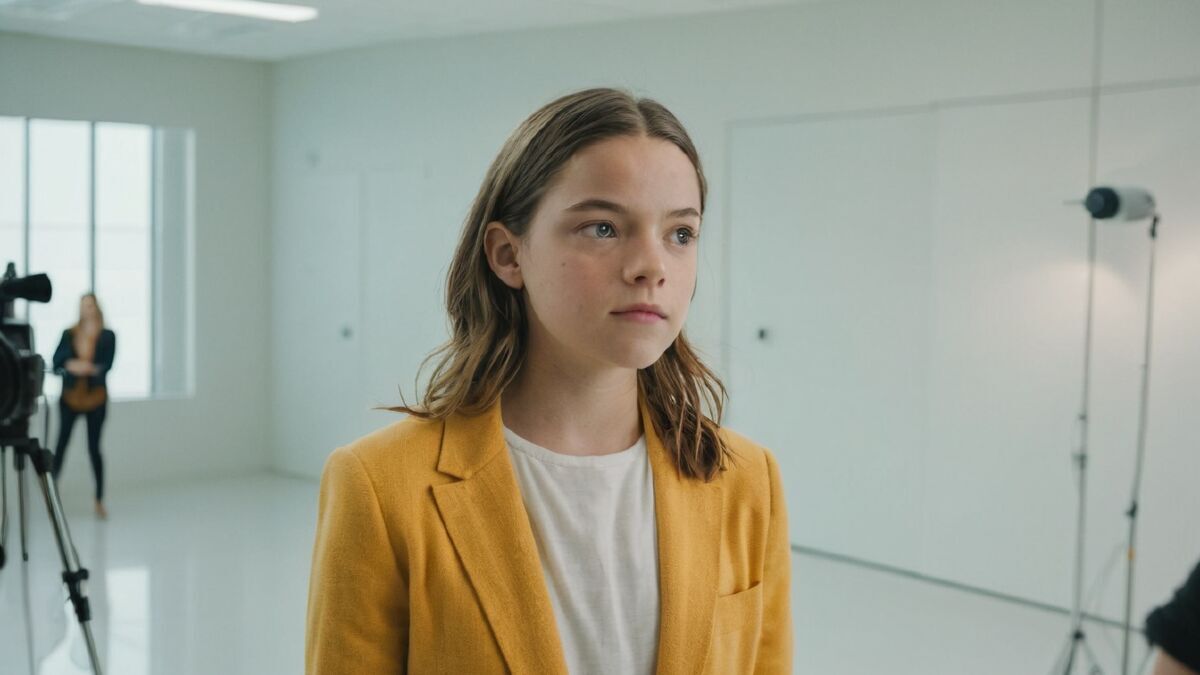
Why This Happens
- Testing directability. Whether you can change your performance based on a command is the primary practical question for a director.
- Exploring options. Sometimes the creative team hasn't fully decided on the character's exact nuance yet.
- Checking your range. You have already shown what you prepared; now they want to see what else you are capable of.
- Testing stability. They want to see how you hold yourself when the ground shifts beneath you.
- Saving time. If a scene isn't working, they will change it right there in the audition room.
The First Five Seconds
- Do not show confusion. A two-second pause is normal; panic is not.
- Clarify with one single question if the task is unclear: "Am I correct in understanding that the character is hiding this?" One question, not three.
- Find a verb. What do I want from my partner now? A one-word answer—and you can begin.
- Start. Long preparation in the room works against you more than an imperfect performance.

Typical Requests and How to Respond
"Play the opposite." Do not change the dialogue or the blocking—change the objective. If you played "fighting for the truth," now play "pretending I don't care."
"Take the emotion out." This is the most common and most useful note. Keep the action, but remove the external expression. Usually, this results in a stronger performance than the original version.
"Faster" or "Slower." This refers to the tempo-rhythm, not the speed of your speech. Change the pauses and the density of the action, rather than just rattling off the lines.
"In your own words." Keep the event and the objective, but improvise the text. The meaning must remain the same.
A completely different scene from a script. Read slowly and allow yourself to look at the text. Here, they are evaluating your spontaneity and reaction, not your memorization skills.
A non-verbal exercise (etude). Choose a simple physical action and a specific circumstance. Do not try to invent a complex plot.
What Not to Do
- Explain why your original version was better.
- Ask what was wrong with the first take.
- Say "I can't do that"—try it instead of refusing.
- Ask for more than a minute to "prepare."
- Apologize after every attempt.
If You Truly Don't Understand the Task
Be direct: "I didn't fully grasp that; let me try it this way, and you can correct me." This is more honest than pretending to understand, and directors react normally to this—they need a result, not your perfection.
How to Train in Advance
- When preparing a scene, always develop two or three different variations, not just one.
- Record yourself playing the same objective in different ways.
- Practice improvisation: it directly trains this specific skill.
- Ask a friend to give you unexpected notes during your home rehearsals.
In Brief
- An unexpected task is a test of directability, not a judgment of your preparation.
- Pause, one clarifying question, find your verb—and start.
- Change the objective, not the text or the blocking.
- Do not argue or refuse; just try.
- Prepare two or three versions of every scene in advance.
Find projects and auditions in the castings section.
Share


Author: Alexander Shaida, Editor-in-chief
Publication date: 05 November 2026
Views: 6
About us and our editorial policy
Comments
Other materials in this section

Learn how to assemble a working portfolio when your filmography is nearly empty: where to find onset experience, what to shoot independently, and what actually counts toward your professional profile.
Learn the ideal length for your showreel, which clips to keep or cut, the best sequencing, and how to handle a lack of professional material.

Learn how to choose the right photographer, what to wear, the ideal lighting for acting portfolios, and how to select the best frames for your casting profile.
A step-by-step guide on updating your materials: what expires in a year, what lasts longer, and how to keep your portfolio current without spending a fortune.

Learn what to include in your resume and in what order, how to list credits when starting out, which skills are valuable, and the difference between a resume and a website profile.

Learn how background and atmosphere artists are recruited, what to ask coordinators, how to handle payments and taxes, and how to navigate your first day on set.
 Auditions in India
 Casting calls in USA
 Castingi w Polsce
 Кастинги в Україні

