Applying to a casting call: what to write and what sinks your application
Behind the Scenes: Guides: Applying to a casting call: what to write and what sinks your application

An application to a casting call is not a cover letter and not a life story. It is an answer to a specific requirement, read in a few seconds alongside a hundred others. Here is how that reading works and what follows from it.
How applications are read
The order is always the same: photograph, match against the role's parameters, required skills. Everything else comes later, if at all. So everything that matters must land in those three points, not sit in a fourth paragraph.
What has to be there
- The match. If they want a man of 35–45 who drives, the age and the licence must be visible immediately.
- A current photograph. Not the most flattering one — the one that looks most like you today.
- Available dates. If the notice gives a shoot window, confirm you are free. That removes half the follow-up questions.
- The requested material. If a self-tape was asked for, attach a self-tape. Applications missing it are usually not considered at all.
- Languages. In a market that shoots in a dozen languages, state which ones you can perform in and at what level. This alone decides many shortlists.
- A contact that works. A number you answer and a mailbox you read.
What is dead weight
- A long biography. The full credit list belongs in your profile.
- Generic adjectives. "Hardworking, punctual, quick learner" says nothing about this role.
- Arguing that you fit when you do not. Age and height are not negotiable.
- Filtered or collaged photographs.
- Terms before interest. Fees are discussed once a production wants you.
Speed
Calls for episodic roles and background work often close within a day: once enough suitable candidates have come in, the selection stops. An application sent on the third day may simply never be opened, however strong it is.
The practical conclusion: checking new projects briefly and often beats checking thoroughly once a week.
Why nobody replies
Hundreds of applications arrive for one role, and replies usually go only to those being called in. No reply means you did not make the shortlist for that project — nothing more.
Do not write again to ask whether your message arrived. It does not speed anything up and it is remembered for the wrong reason. Spend the same time on the next application.
What strengthens every future application
An application works together with your profile — casting teams almost always click through. So keeping the profile current improves every application at once: complete parameters, several varied photographs instead of ten similar ones, a video introduction, and skills listed separately — languages, driving, dance, martial arts, horse riding, singing. Those are what people search on.
Current calls are in the castings section.
Share


Author: Alexander Shaida, Editor-in-chief
Publication date: 12 August 2026
Views: 80
About us and our editorial policy
Comments
Other materials in this section

Learn how to choose the right photographer, what to wear, the ideal lighting for acting portfolios, and how to select the best frames for your casting profile.
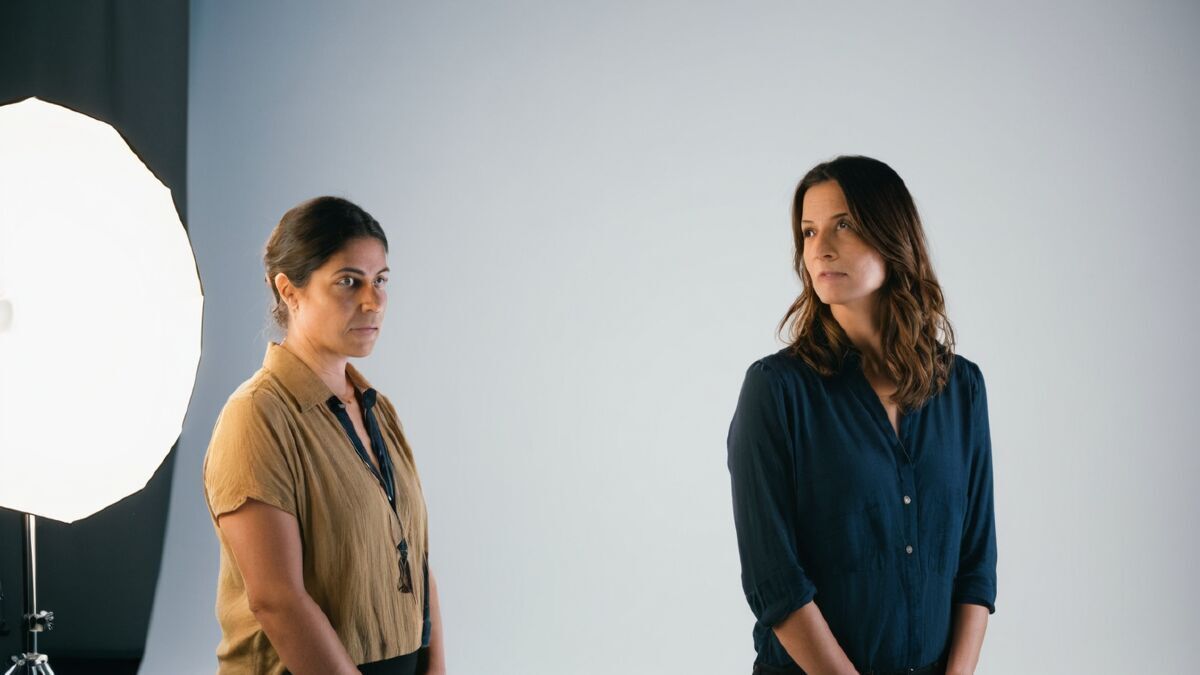
A step-by-step guide on updating your materials: what expires in a year, what lasts longer, and how to keep your portfolio current without spending a fortune.

Learn what to include in your resume and in what order, how to list credits when starting out, which skills are valuable, and the difference between a resume and a website profile.

Learn how background and atmosphere artists are recruited, what to ask coordinators, how to handle payments and taxes, and how to navigate your first day on set.

Learn how to break down speech patterns by sound rather than stereotypes, where to find authentic references, and why clarity always beats phonetic perfection in the audition room.

What an invitation to a second round actually means, who will be in the room, and how to prepare for the final selection process.
 Auditions in India
 Casting calls in USA
 Castingi w Polsce
 Кастинги в Україні
