Cabaret





Short description
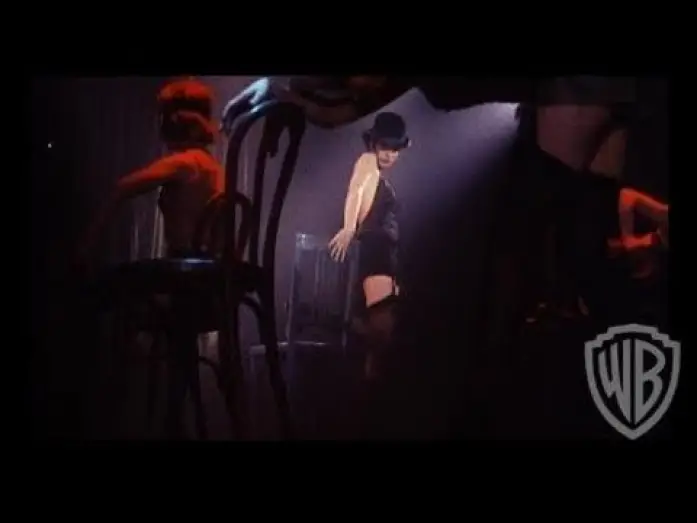
Set in Berlin in 1931, Cabaret follows Sally Bowles, an American singer performing at the Kit Kat Club, and Brian Roberts, a British student who takes lodgings in the same boarding house after arriving in the city. The two become involved, and their relationship is complicated by Maximilian von Heune, a wealthy German they both come to know. Around them, the club's nightlife continues while the political situation outside grows increasingly dangerous.
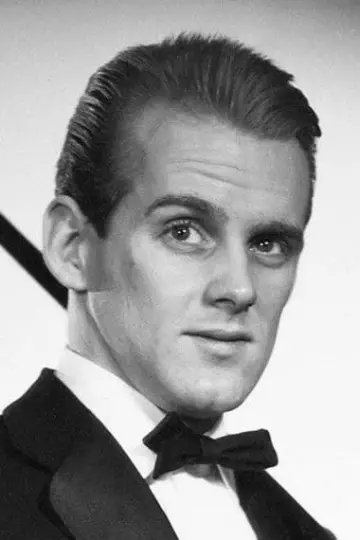
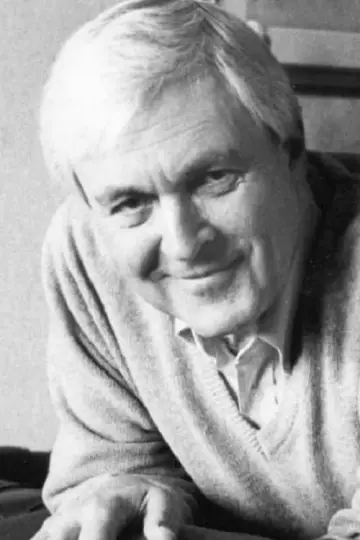
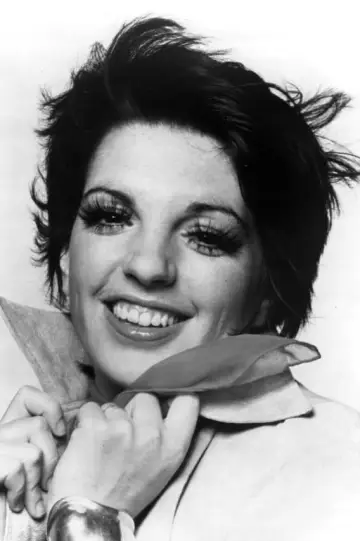
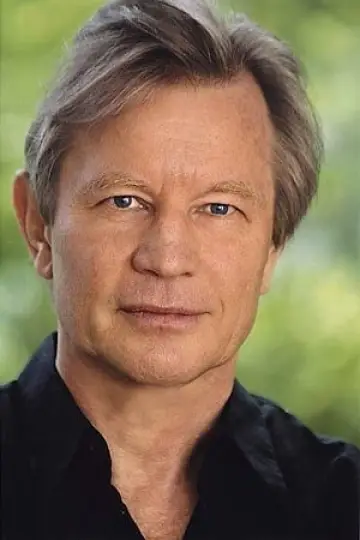
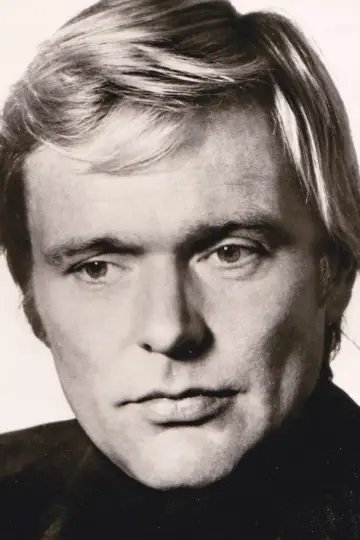
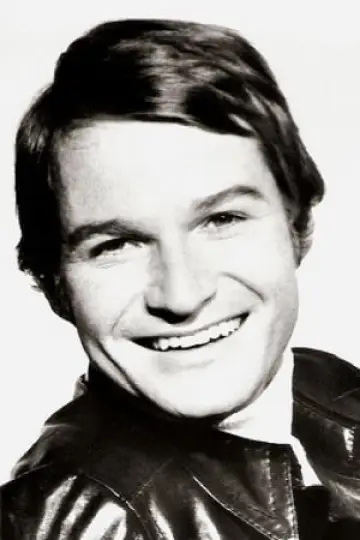
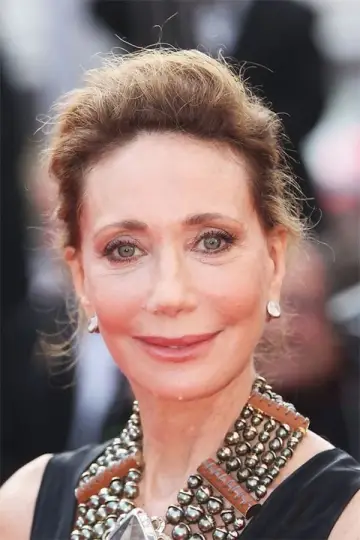
The film was directed by Bob Fosse, its second feature after Sweet Charity, and later followed by Lenny, All That Jazz and Star 80. Liza Minnelli plays Sally, with Michael York as Brian, Helmut Griem as Maximilian, Joel Grey as the Master of Ceremonies, and Marisa Berenson and Fritz Wepper among the credited cast of twenty-four. Jay Presson Allen wrote the screenplay, drawing on John Van Druten and Joe Masteroff, and Cy Feuer produced.
Released in February 1972, Cabaret cost about 5 million dollars and took roughly 43 million worldwide, a strong return on its budget. On IMDb it holds a critics' rating of 8.6/10 from 48 reviews, higher than its audience score on TMDB, which stands at 7.4/10 from over a thousand votes. That gap suggests critics responded to the film more warmly than general viewers did.
What's left behind the scenes
- The initial screenplay, written by renowned author and playwright Jay Presson Allen, did not satisfy Fosse, so he hired Hugh Wheeler to revise it. However, Wheeler was credited in the film only as a consultant, while Jay Presson Allen herself was listed as the screenwriter. The film is more heavily based on Christopher Isherwood's cycle of stories "Goodbye to Berlin" and John van Druten’s play "I Am a Camera" than on Joe Masteroff’s stage version.
- Cy Feuer and Bob Fosse traveled to Germany to recruit the missing part of the film crew. Fosse strongly recommended to Feuer that they hire American cinematographer Robert Surtees. But Feuer, dissatisfied with how Surtees had filmed "Sweet Charity," invited British cinematographer Geoffrey Unsworth to work on the film.
- The film differs significantly from the stage production. For example, the main character was renamed from American Cliff Bradshaw to Englishman Brian Roberts, however, the character’s bisexuality remained in the film. Fritz, Natalia, and Max were not in the Broadway musical, although the play featured a secondary character named Max – the owner of the "Kit Kat" club – who is absent from the film. Fosse did not use many of the songs from the musical, except those performed directly on the stage of the club. The exception is "Tomorrow Belongs to Me," which the characters listen to in an open-air restaurant and which carries important semantic weight. Specifically for the film, composer John Kander and lyricist Fred Ebb wrote the songs "Money, Money" and "Mein Herr," which proved so popular that they were subsequently decided to be included in the theatrical version.
- “Cabaret” was first released on DVD in 1998. Later re-releases followed in 2003 and 2008.
- Liza Minnelli and Joel Grey were cast in the roles long before Bob Fosse joined the project. Minnelli had previously been turned down for the role of Sally Bowles in the theatrical production, unlike Joel Grey, who played the same role in the film as he had on Broadway. Michael York was personally invited by the director. The actors for the minor roles, as well as the dancers, were decided to be recruited in Germany.
- Prominent theatrical manager Cy Feuer was realizing the project through "ABC Pictures" and "Allied Artists" studios. Bob Fosse was eager to take the director's chair and offered his candidacy to Feuer. However, the studio executives preferred Joseph Leo Mankiewicz or Gene Kelly, as Fosse’s previous film musical, "Sweet Charity," based on Federico Fellini’s "Nights of Cabiria," had flopped at the box office. Feuer eventually persuaded the bosses to hire Bob Fosse, arguing that the film adaptation of "Cabaret" would focus not on plot twists, but on dance numbers.
Similar movies




 Auditions in India
 Casting calls in USA
 Castingi w Polsce
 Кастинги в Україні
