Cinderella




Short description
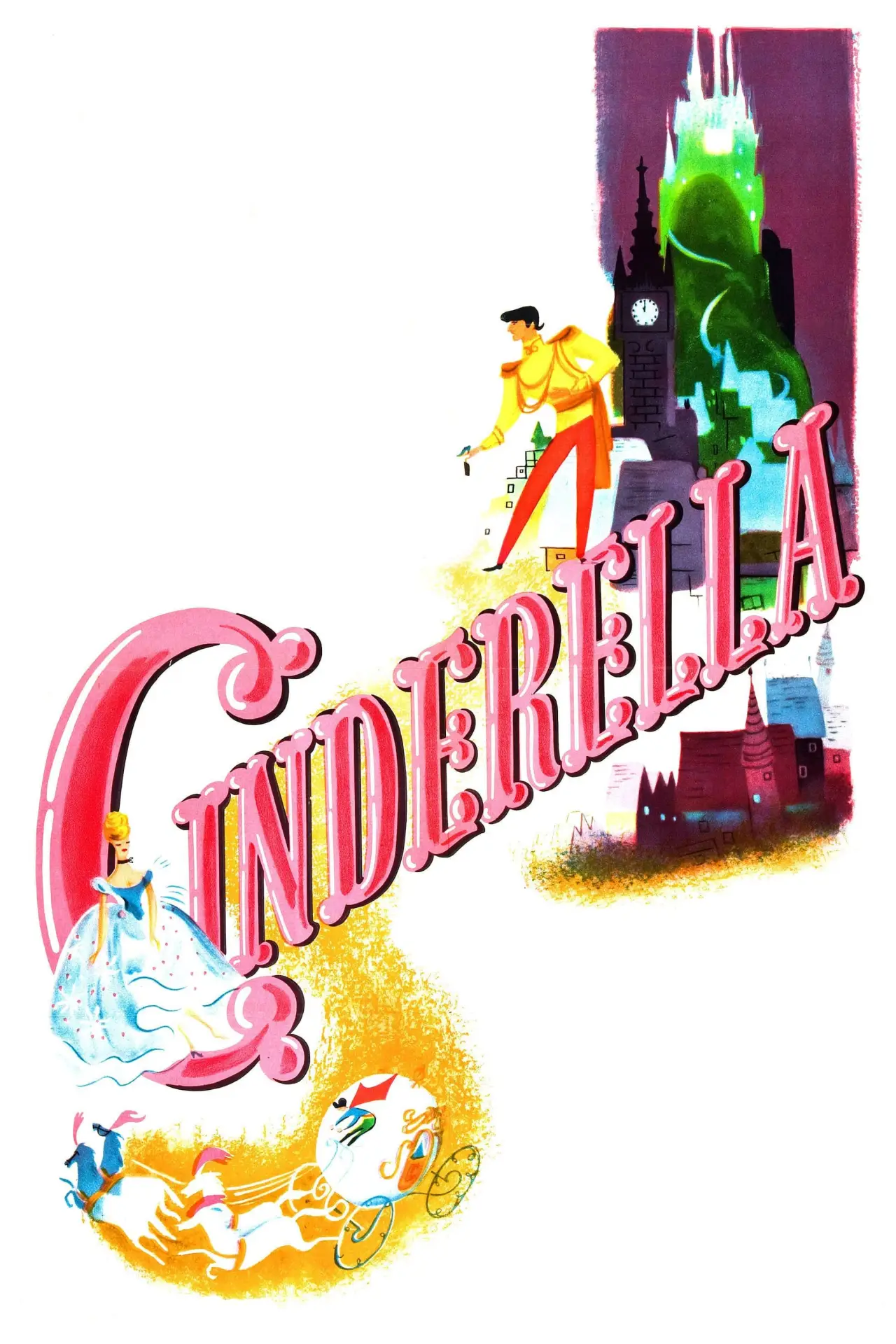
Cinderella lives as a servant in her own family home after her father's death, under the rule of her stepmother, Lady Tremaine, and her two stepsisters, who keep her busy with endless chores and deny her any share in their comforts. Her only company comes from the household animals, among them the mice Jaq and Gus, and she holds on to the hope of a happier life. When the King announces a ball so that his son may choose a bride, Cinderella sees her chance, but her stepmother forbids her to go.
The Fairy Godmother changes that with a wave of her wand, dressing Cinderella for the ball and sending her there in a coach. The Prince is drawn to her at once, but the magic ends at midnight, and she flees the palace, leaving behind a single glass slipper. That slipper becomes the means by which the Prince sets out to find her again.
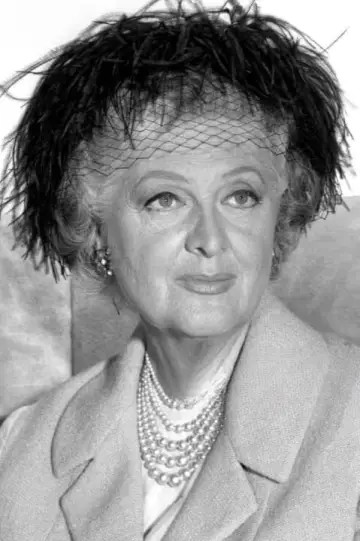
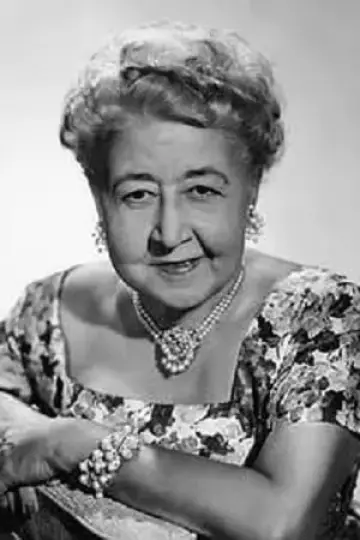
The film was released in 1950 and runs 74 minutes. It was directed by Hamilton Luske, Wilfred Jackson and Clyde Geronimi, and produced by Walt Disney for Walt Disney Productions. Voices include Ilene Woods as Cinderella, Eleanor Audley as Lady Tremaine, Verna Felton as the Fairy Godmother, Rhoda Williams as Drizella and James MacDonald as Gus and Jaq. Made for 3 million dollars, it took 264 million dollars worldwide. On IMDb it holds 7.3/10 from 170,876 votes and on TMDB 7.1/10 from 7,288 votes; critics' reviews average 8.2/10.
What's left behind the scenes
- Cinderella was the first animated film released after World War II.
- When Walt Disney had enough resources in the late 1940s to return to feature-length animation, he couldn't decide whether to release this film or “Alice in Wonderland” first. Ultimately, he organized a competition between the cinematographers working on both projects, to see which film would be better and finished faster. Work on “Cinderella” was completed first, and it was released in 1949, while “Alice in Wonderland” appeared in theaters only in 1951.
- When Cinderella sings "Sing, sweet nightingale," three bubbles form the ears and head of Mickey Mouse.
- The film is based on the fairy tale of the same name by Charles Perrault.
- Ingrid Bergman served as the prototype for Cinderella.
- Ilene Woods was chosen from 309 applicants for the role of Cinderella, after demo recordings of several of her songs were presented to Walt Disney. But she had no idea she was auditioning until Disney contacted her; she originally made a recording with a few friends who sent the recording to Disney without telling her a word.
- During World War II, the production of full-length animated films was suspended (the last one released was 'Bambi' in 1942). By the late 1940s, after several years of making training films and advertisements, funding was restored, and Disney employees decided to choose the story of Cinderella for adaptation as a return to Disney's 'roots'.
- According to animator Mark Davis, at least 90% of the film was initially shot with actors and miniatures on film, and then traced over. Dancer Ward Ellis served as the model for the prince. Cinderella's carriage was copied from a miniature.
- Walt Disney hadn't had any truly significant successes since “Snow White and the Seven Dwarfs” (1937). Walt Disney Productions was on the verge of bankruptcy, and its debts exceeded $4 million. If “Cinderella” based on Charles Perrault’s tale had failed at the box office, the studio would have ended. As a result, “Cinderella” became a real hit in terms of box office receipts, and, according to film critics, the best film since “Snow White,” as well as the first major commercial success since the release of “Song of the South” (1946).
- To save money, the animators drew Cinderella’s pumpkin carriage as if floating in the air, because otherwise they would have had to painstakingly draw the rotating wheels in detail.
- Lucifer the cat was modeled after animator Ward Kimball’s cat named Fitzie. While preparing to work on “Cinderella,” Kimball couldn’t decide how to depict the villainous cat for a long time, until one day Walt Disney himself came to his house to discuss some work matters. Throughout the entire conversation between Disney and Kimball, Fitzie persistently rubbed against the guest’s legs, not giving him a moment’s peace. Finally, Disney, who didn’t like cats, exclaimed: “Kimball, that’s a real Lucifer for you!”








 Auditions in India
 Casting calls in USA
 Castingi w Polsce
 Кастинги в Україні

