My Neighbors the Yamadas


Short description
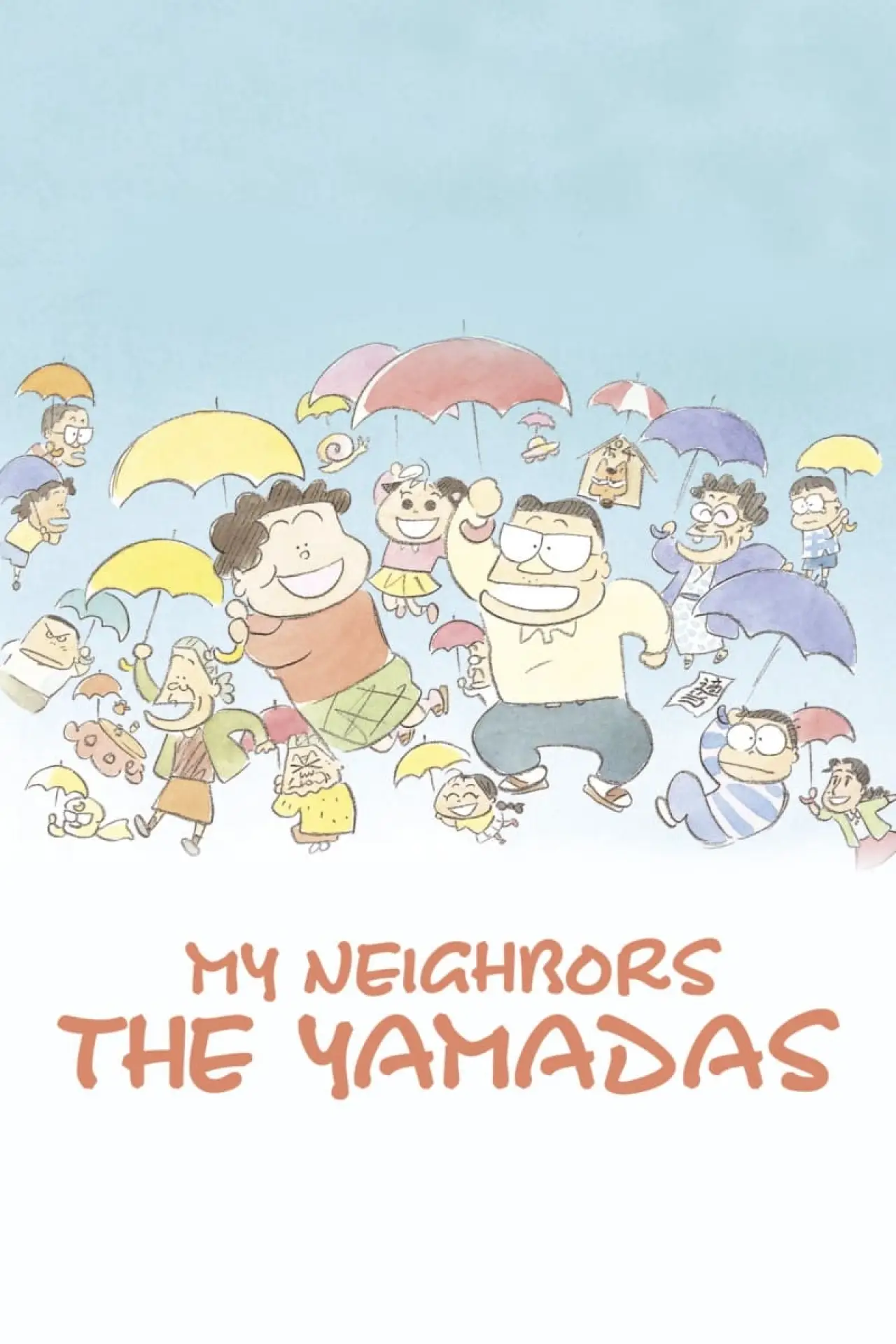
My Neighbors the Yamadas follows an ordinary middle-class family living in Tokyo. Takashi works in an office and Matsuko runs the household, though she has little enthusiasm for chores. Their teenage son Noboru dislikes studying, while young Nonoko has a habit of wandering off and getting lost in shopping centres. Grandmother Shige lives with them, speaks her mind freely and often comments on the couple's arguments; the family dog Pochi is part of the household too. Through a series of short episodes, the film moves between comedy and quieter moments as the Yamadas deal with everyday disagreements, minor crises and small pleasures. It is based on Hisaichi Ishii's manga about the family.
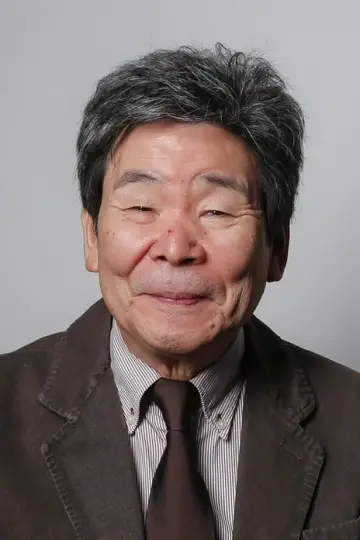
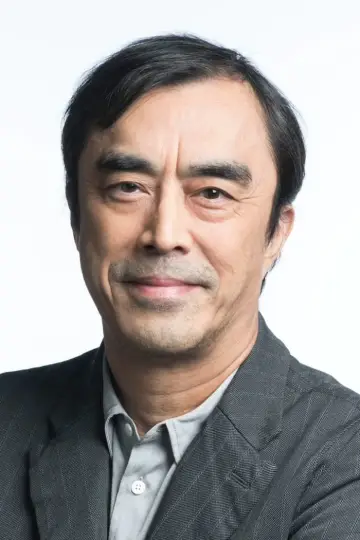
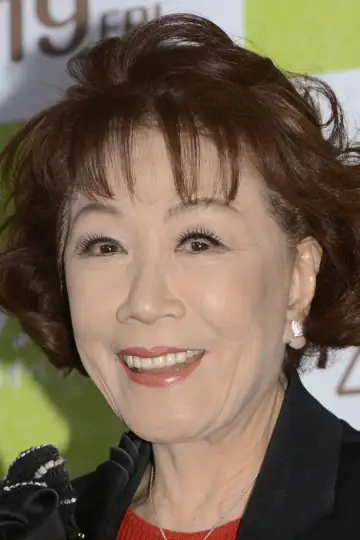
Isao Takahata directed and wrote the screenplay, and the film sits between Pom Poko and The Tale of The Princess Kaguya in the sequence of features he directed. The voice cast includes Toru Masuoka as Takashi, Yukiji Asaoka as Matsuko, Hayato Isohata as Noboru, Naomi Uno as Nonoko, Masako Araki as Shige and Akiko Yano as Teacher Fujihara. Studio Ghibli produced it with Nippon Television Network Corporation, Tokuma Shoten and Hakuhodo DY Media Partners, on a budget of 15 million dollars and a worldwide box office of 12 million dollars. On IMDb the film holds 6.9 out of 10 from nine critics' reviews, while on TMDB it has 7 out of 10 from 635 votes.
What's left behind the scenes
- The authors of the haiku that appear on the screen and are recited during the breaks between episodes of the film are famous Japanese poets Matsuo Basho, Taneda Santoka, and Yosa Buson.
- "Houhokekyo" is the cry of the uguisu, the Japanese nightingale. Since the titles of all previous films directed by Takahata at "Studio Ghibli" included the syllable "ho" (or "po"), Takahata decided to deliberately include a word with this syllable in the title of his next film. Simultaneously, he emphasized its comedic and unserious nature.
- This is the first film by "Studio Ghibli" created entirely using computers. For his experiment, Takahata deliberately chose a simple four-panel newspaper manga and an watercolor graphic style.
- 10% of the film's budget ($2 million out of a total budget of $20 million) was provided by "Buena Vista International" (a division of "Disney") in exchange for worldwide distribution rights.






 Auditions in India
 Casting calls in USA
 Castingi w Polsce
 Кастинги в Україні

