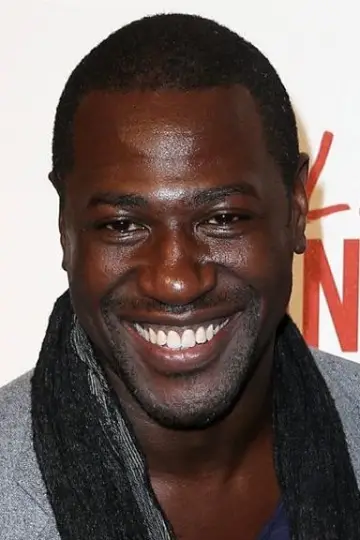
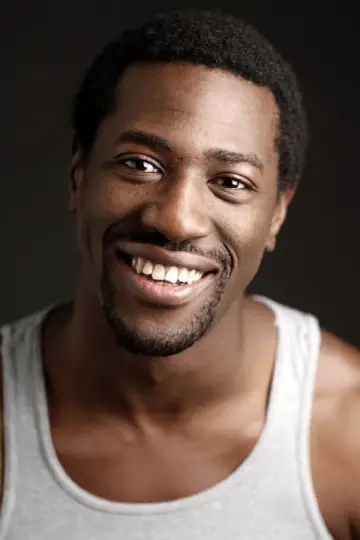
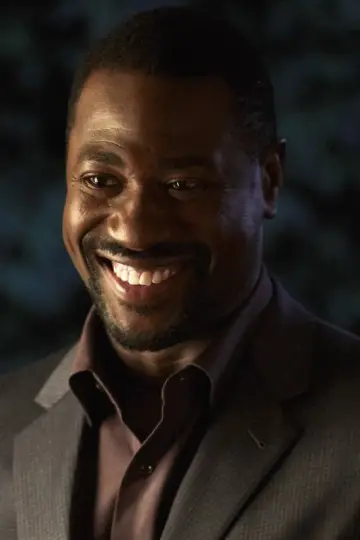
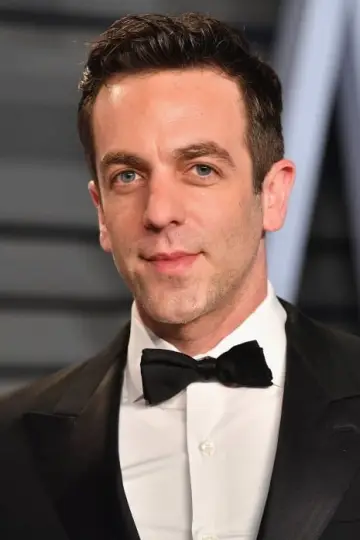
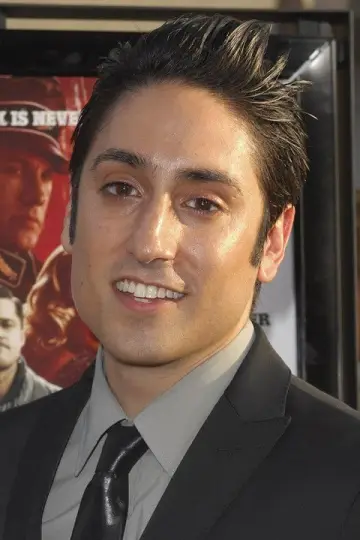
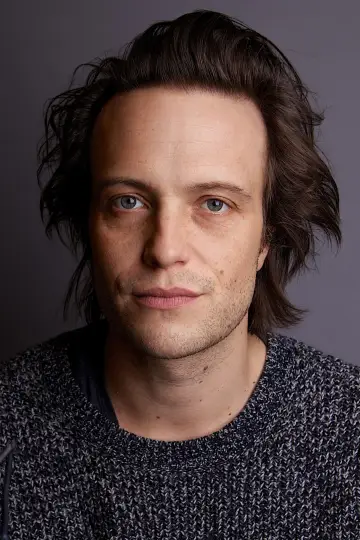
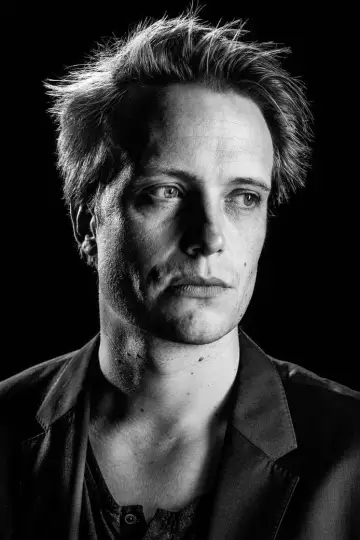
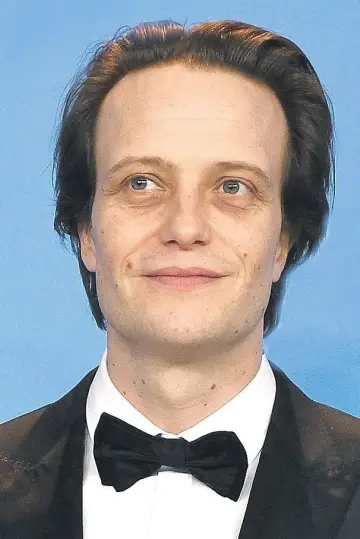
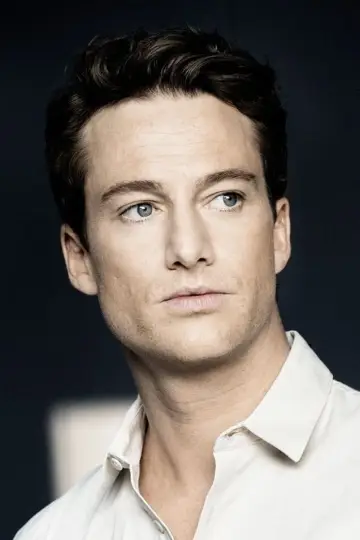
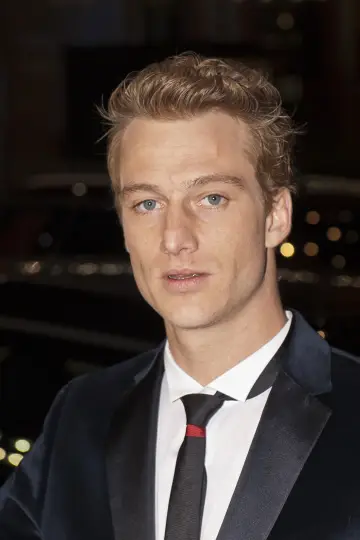
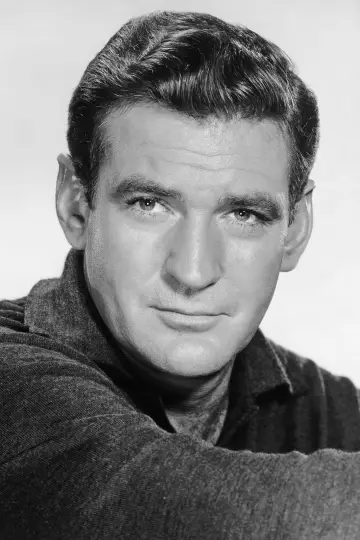
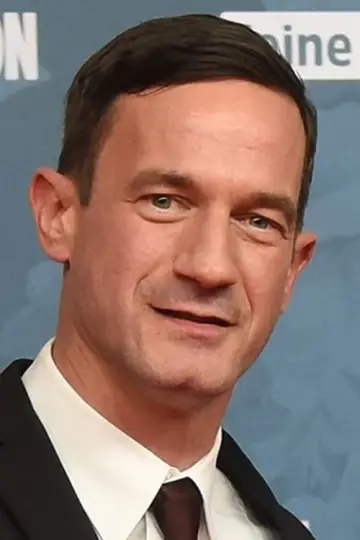
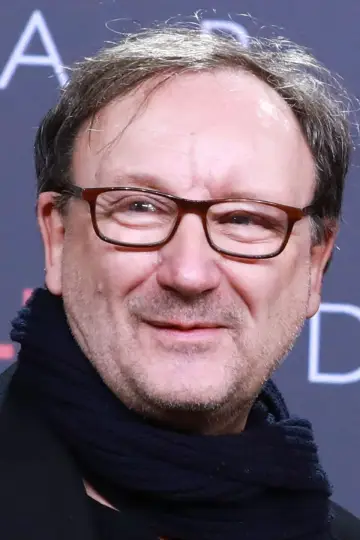
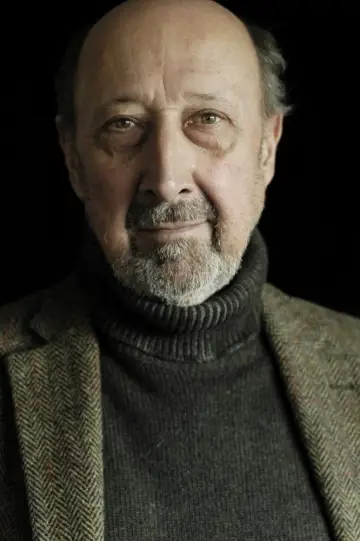
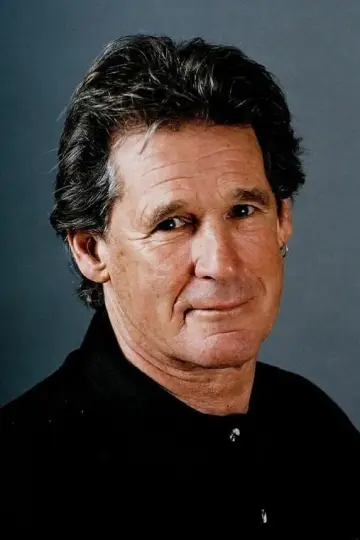
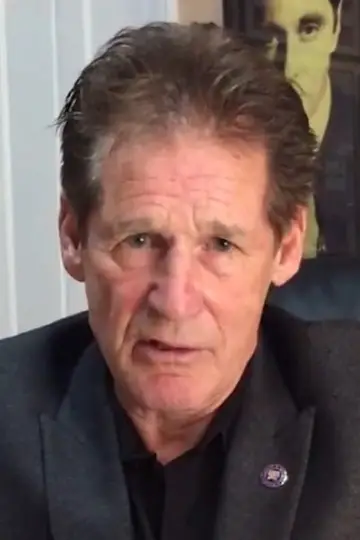
Inglourious Basterds - actors, characters and roles

All actors and their roles in the film "Inglourious Basterds"
Inglourious Basterds (2009)
Timing: 2:33 (153 min)
Inglourious Basterds - TMDB rating
8.217/10
23990
Inglourious Basterds - Kinopoisk rating
8.033/10
715098
Inglourious Basterds - IMDB rating
8.4/10
1800000

Actors and characters
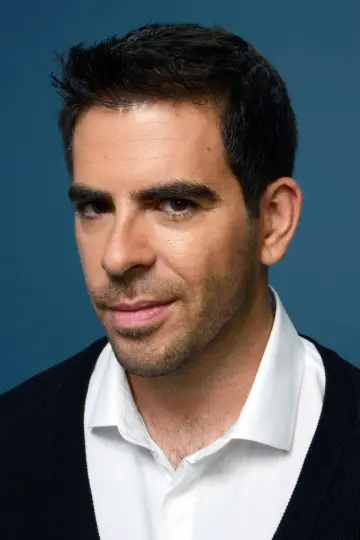
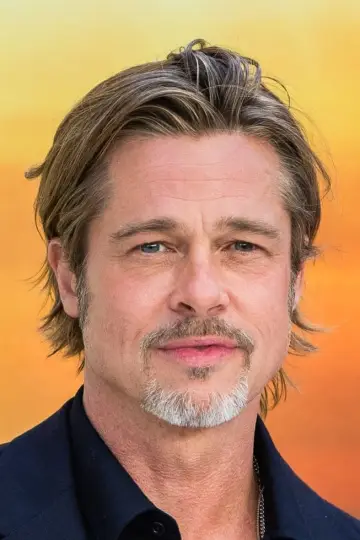
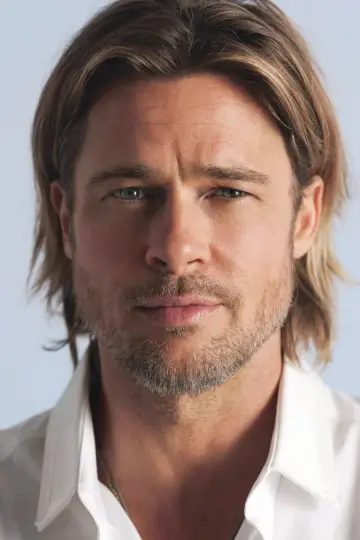
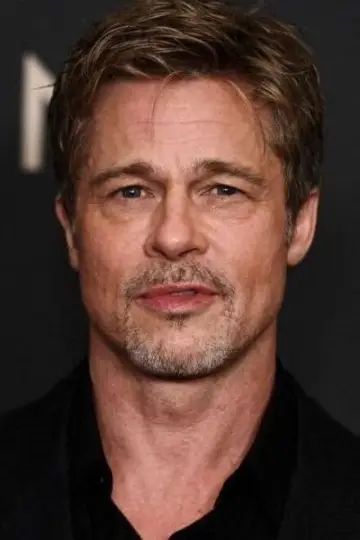
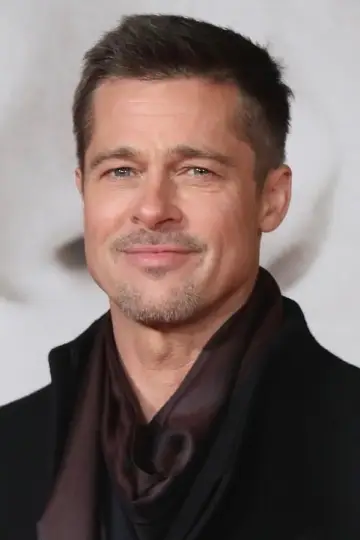
Photo Brad Pitt #14451Photo Brad Pitt #14452Photo Brad Pitt #14453Photo Brad Pitt #14454

Brad Pitt

Brad Pitt
Character LT. Aldo Raine
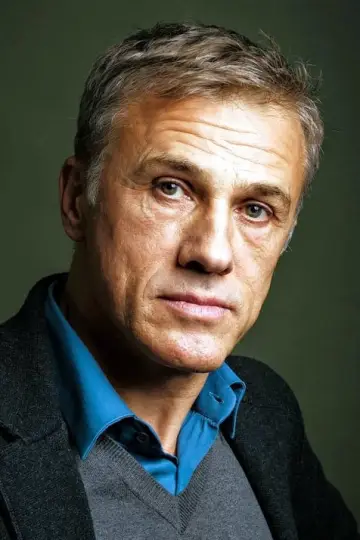
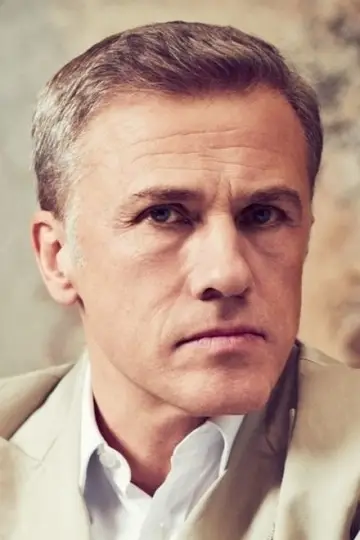
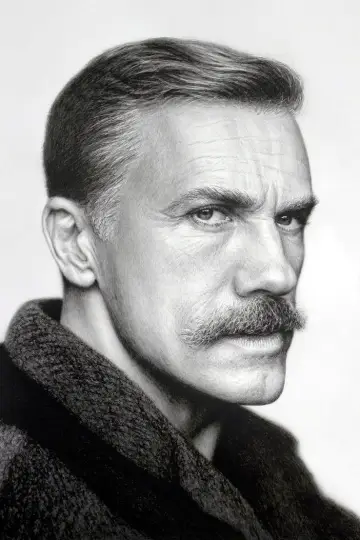
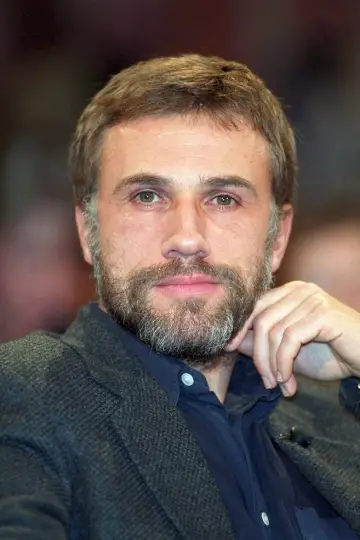
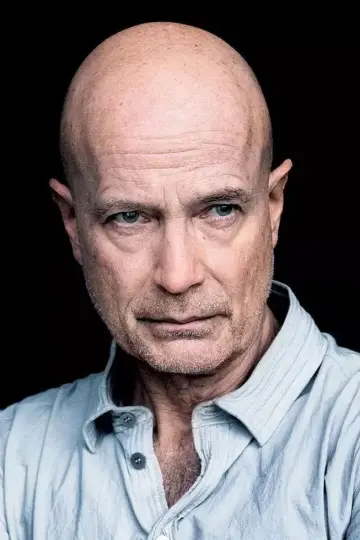
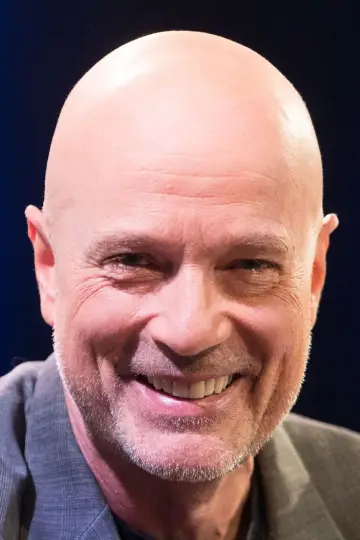
Photo Christoph Waltz #13608Photo Christoph Waltz #13609Photo Christoph Waltz #13610Photo Christoph Waltz #13611

Christoph Waltz

Christoph Waltz
Character COL. Hans Landa
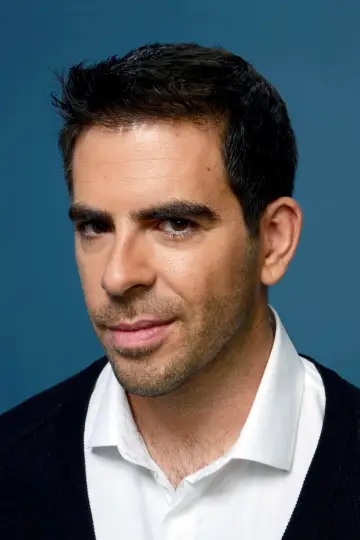
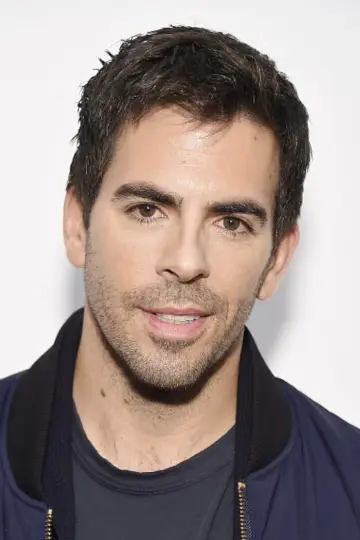
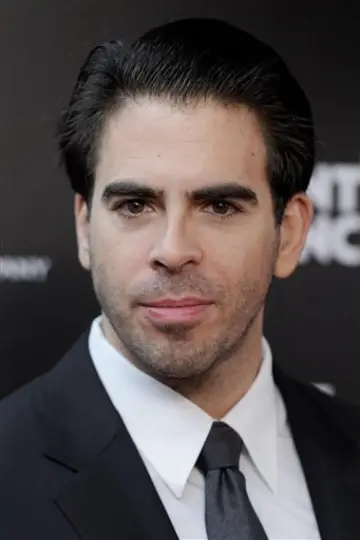
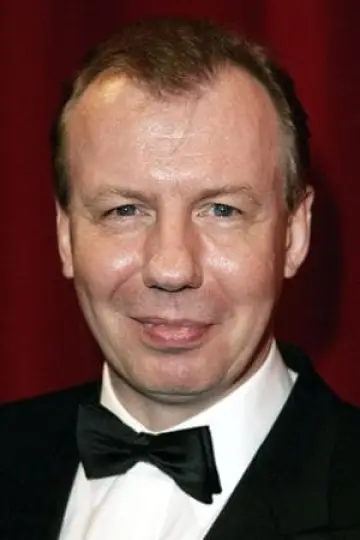
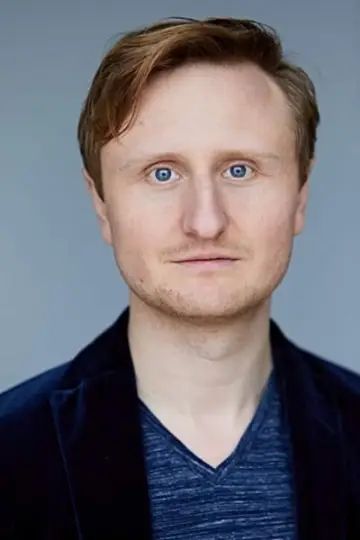
Photo Eli Roth #1074Photo Eli Roth #1075Photo Eli Roth #1076Photo Eli Roth #1077

Eli Roth

Eli Roth
Character SGT. Donny Donowitz
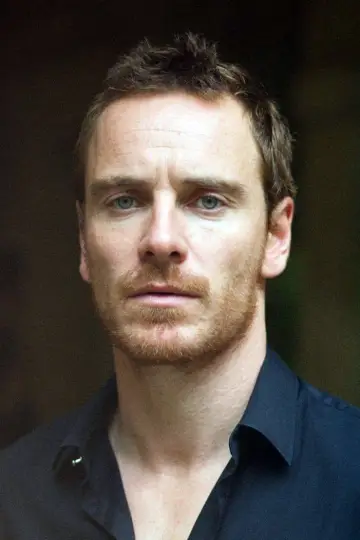
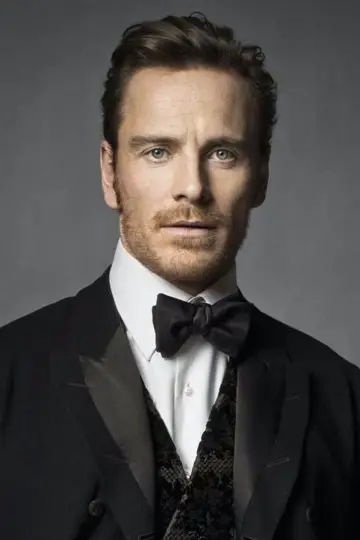
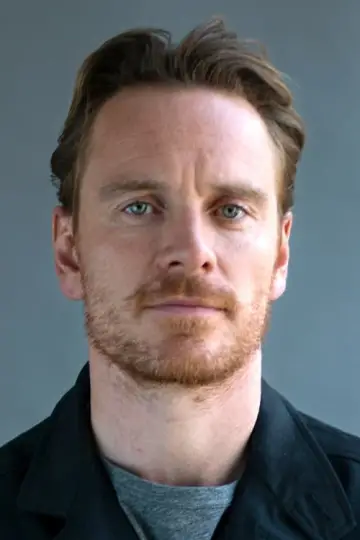
Photo Michael Fassbender #9191Photo Michael Fassbender #9192Photo Michael Fassbender #9193Photo Michael Fassbender #9194

Michael Fassbender

Michael Fassbender
Character LT. Archie Hicox
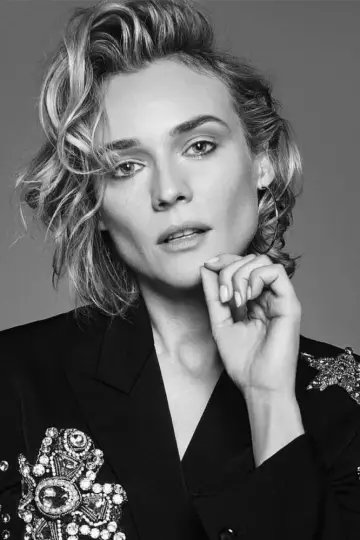
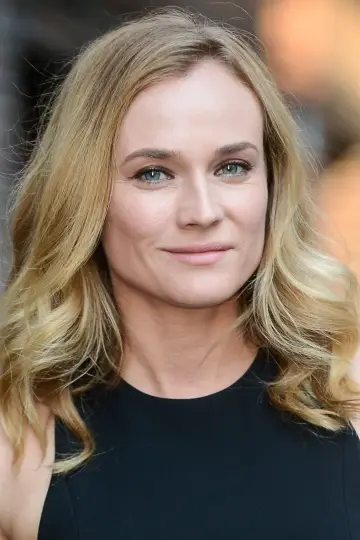
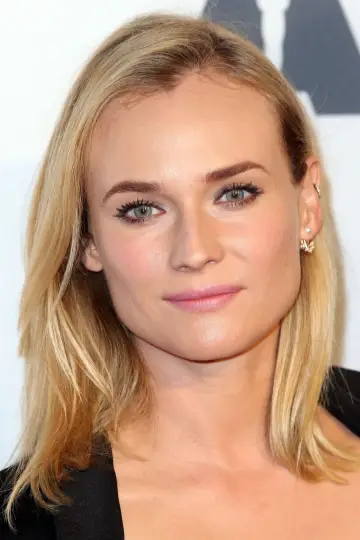
Photo Diane Kruger #37003Photo Diane Kruger #37004Photo Diane Kruger #37005Photo Diane Kruger #37006

Diane Kruger

Diane Kruger
Character Bridget von Hammersmark
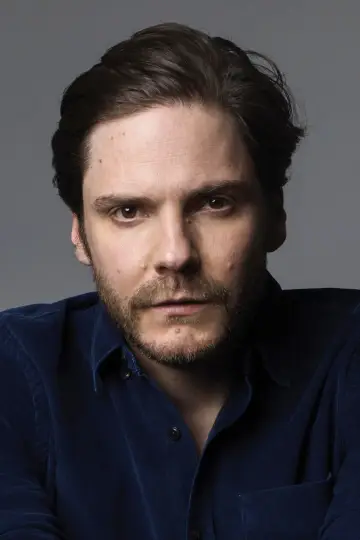
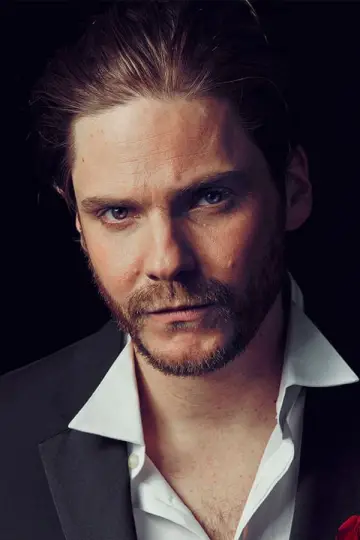
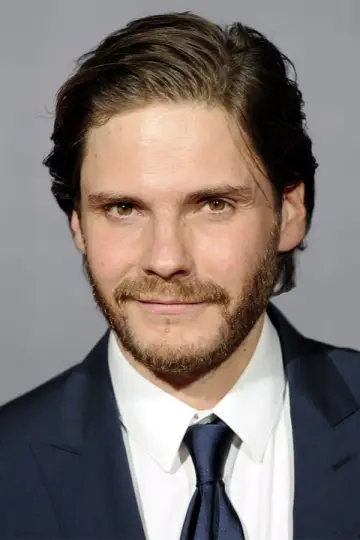
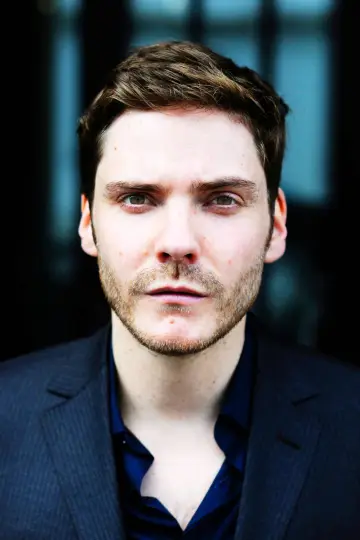
Photo Daniel Brühl #20771Photo Daniel Brühl #20772Photo Daniel Brühl #20773Photo Daniel Brühl #20774

Daniel Brühl

Daniel Brühl
Character Fredrick Zoller
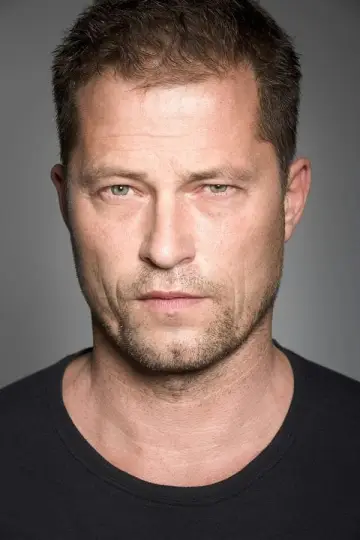
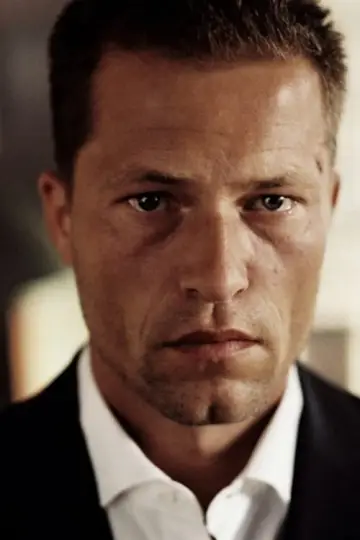
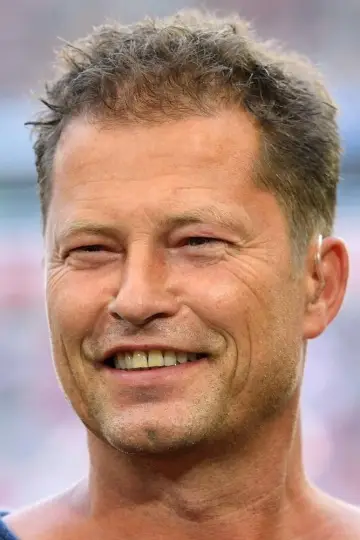
Photo Til Schweiger #52294Photo Til Schweiger #52295Photo Til Schweiger #52296

Til Schweiger

Til Schweiger
Character SGT. Hugo Stiglitz
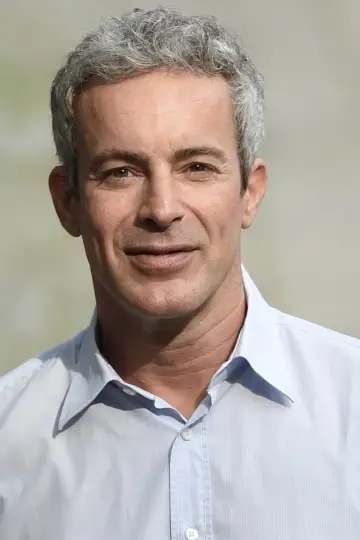
Photo Gedeon Burkhard #63027Photo Gedeon Burkhard #63028

Gedeon Burkhard

Gedeon Burkhard
Character CPL. Wilhelm Wicki
Photo Jacky Ido #49967Photo Jacky Ido #49968Photo Jacky Ido #49969

Jacky Ido

Jacky Ido
Character Marcel
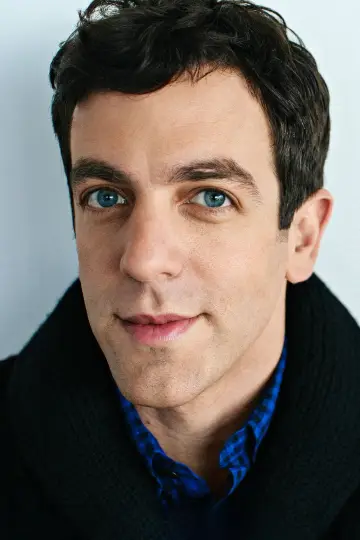
Photo B.J. Novak #22193Photo B.J. Novak #22194Photo B.J. Novak #22195Photo B.J. Novak #22196

B.J. Novak

B.J. Novak
Character PFC. Smithson Utivich
Photo Omar Doom #32188Photo Omar Doom #32189

Omar Doom

Omar Doom
Character PFC. Omar Ulmer
Photo August Diehl #78330Photo August Diehl #78331Photo August Diehl #78332

August Diehl

August Diehl
Character Major Hellstrom
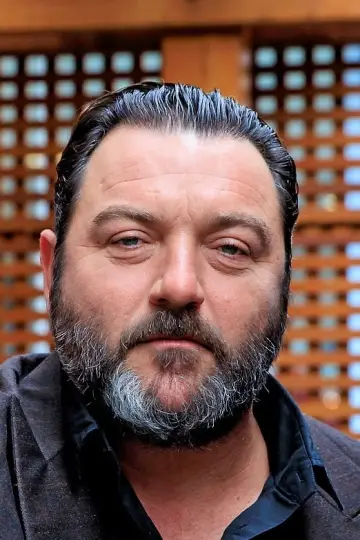
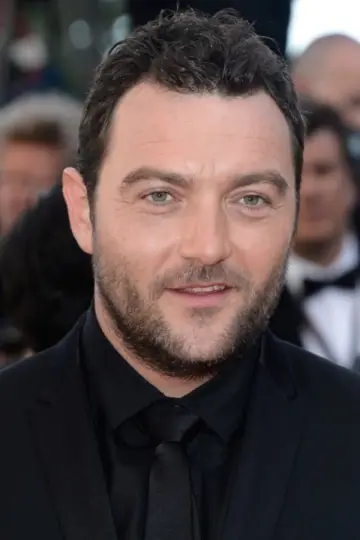
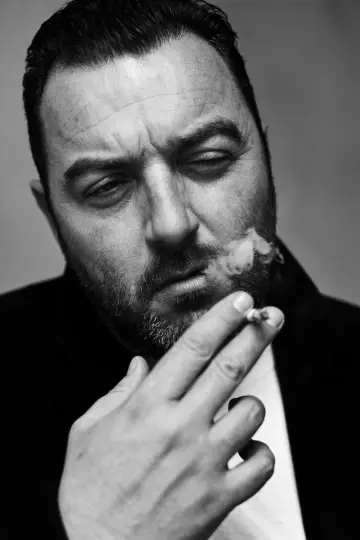
Photo Denis Ménochet #62453Photo Denis Ménochet #62454Photo Denis Ménochet #62455

Denis Ménochet

Denis Ménochet
Character Perrier LaPadite
Photo Sylvester Groth #60653Photo Sylvester Groth #60654Photo Sylvester Groth #60655

Sylvester Groth

Sylvester Groth
Character Joseph Goebbels
Photo Martin Wuttke #64662

Martin Wuttke

Martin Wuttke
Character Hitler
Photo Mike Myers #15284Photo Mike Myers #15285Photo Mike Myers #15286Photo Mike Myers #15287

Mike Myers

Mike Myers
Character General Ed Fenech
Photo Julie Dreyfus #46082

Julie Dreyfus

Julie Dreyfus
Character Francesca Mondino
Photo Richard Sammel #36624

Richard Sammel

Richard Sammel
Character SGT. Rachtman
Photo Alexander Fehling #106346Photo Alexander Fehling #106347

Alexander Fehling

Alexander Fehling
Character Master SGT. Wilhelm / Pola Negri
Photo Rod Taylor #35573

Rod Taylor

Rod Taylor
Character Winston Churchill
Photo Sönke Möhring #86809

Sönke Möhring

Sönke Möhring
Character PVT. Butz / Walter Frazer
Photo Samm Levine #98453Photo Samm Levine #98454

Samm Levine

Samm Levine
Character PFC. Hirschberg
Photo Paul Rust #110673

Paul Rust

Paul Rust
Character PFC. Andy Kagan
Photo Michael Bacall #27404

Michael Bacall

Michael Bacall
Character PFC. Michael Zimmerman
Photo Arndt Schwering-Sohnrey #99101Photo Arndt Schwering-Sohnrey #99102

Arndt Schwering-Sohnrey

Arndt Schwering-Sohnrey
Character German Soldier / Winnetou
Photo Petra Hartung #126347

Petra Hartung

Petra Hartung
Character German Female Soldier / Beethoven
Photo Volker Michalowski #29539

Volker Michalowski

Volker Michalowski
Character German Soldier / Edgar Wallace
Photo Ken Duken #107789Photo Ken Duken #107790

Ken Duken

Ken Duken
Character German Soldier / Mata Hari
Photo Christian Berkel #86891Photo Christian Berkel #86892

Christian Berkel

Christian Berkel
Character Proprietor Eric
Photo Léa Seydoux #13613Photo Léa Seydoux #13614Photo Léa Seydoux #13615Photo Léa Seydoux #13616

Léa Seydoux

Léa Seydoux
Character Charlotte LaPadite

Tina Rodriguez

Tina Rodriguez
Character Julie LaPadite
Lena Friedrich
Character Suzanne LaPadite
Photo Ludger Pistor #27821

Ludger Pistor

Ludger Pistor
Character CPT. Wolfgang
Photo Jana Pallaske #63076Photo Jana Pallaske #63077Photo Jana Pallaske #63078Photo Jana Pallaske #63079

Jana Pallaske

Jana Pallaske
Character Babette
Wolfgang Lindner
Character Herrman #1
Photo Michael Kranz #14651

Michael Kranz

Michael Kranz
Character Herrman #3
Photo Rainer Bock #35753Photo Rainer Bock #35754Photo Rainer Bock #35755

Rainer Bock

Rainer Bock
Character General Schonherr
Photo André Penvern #100368

André Penvern

André Penvern
Character Old French Veterinarian
Photo Sebastian Hülk #31960

Sebastian Hülk

Sebastian Hülk
Character Hellstrom's Driver / Nazi Usher #1

Carlos Fidel

Carlos Fidel
Character PFC. Simon Sakowitz
Photo Christian Brückner #115431

Christian Brückner

Christian Brückner
Character Kliest Voice (voice)
Photo Hilmar Eichhorn #126348

Hilmar Eichhorn

Hilmar Eichhorn
Character Emil Jannings
Photo Patrick Elias #126349
Patrick Elias
Character Jakob Dreyfus
Photo Eva Löbau #125290

Eva Löbau

Eva Löbau
Character Miriam Dreyfus

Salvadore Brandt

Salvadore Brandt
Character Bob Dreyfus
Jasper Linnewedel
Character Amos Dreyfus
Photo Wilfried Hochholdinger #126350

Wilfried Hochholdinger

Wilfried Hochholdinger
Character German Company SGT.

Olivier Girard

Olivier Girard
Character Maxim's Waiter

Michael Scheel

Michael Scheel
Character General Frank
Leo Plank
Character Motorcycle Rider #1
Andreas Tietz
Character Motorcycle Rider #2
Photo Bo Svenson #75876Photo Bo Svenson #75877

Bo Svenson

Bo Svenson
Character American Colonel
Photo Enzo G. Castellari #126351

Enzo G. Castellari

Enzo G. Castellari
Character Enzo G. Castellari
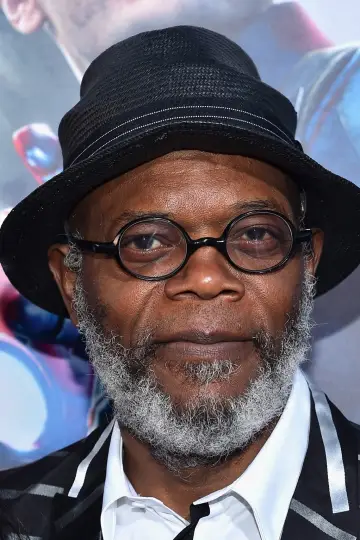
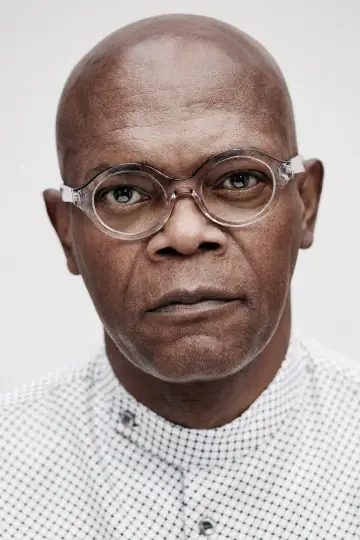
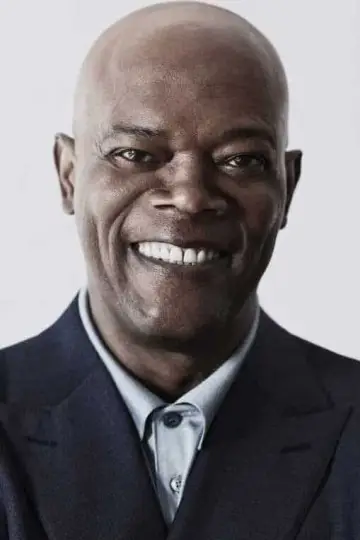
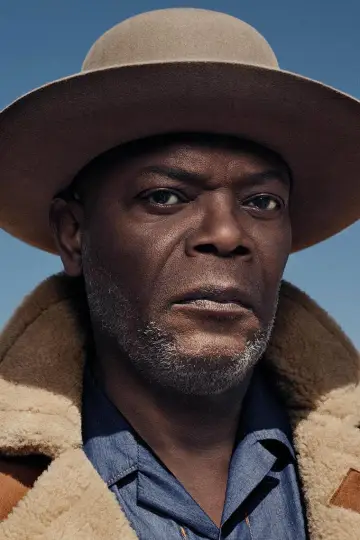
Photo Samuel L. Jackson #65432Photo Samuel L. Jackson #65433Photo Samuel L. Jackson #65434Photo Samuel L. Jackson #65435

Samuel L. Jackson

Samuel L. Jackson
Character Narrator (voice) (uncredited)
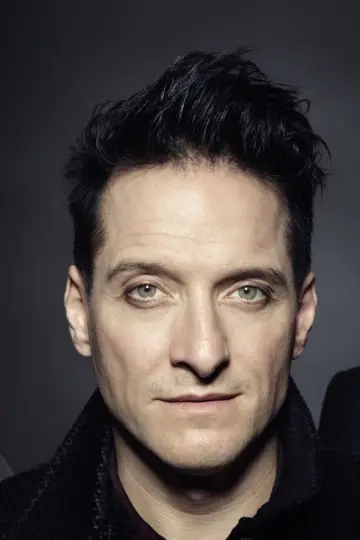
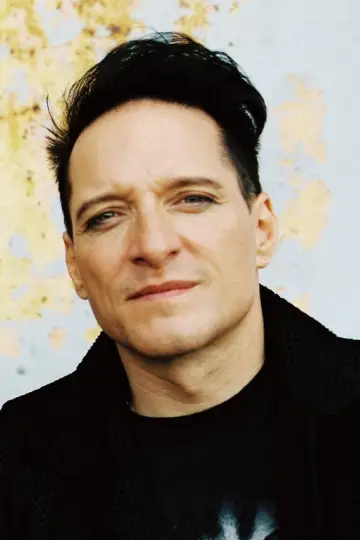
Photo Bela B. #126352Photo Bela B. #126353

Bela B.

Bela B.
Character Usher #2 (uncredited)
Photo Noemi Besedes #126354

Noemi Besedes

Noemi Besedes
Character German Movie Star (uncredited)
Photo Hélène Cardona #10911

Hélène Cardona

Hélène Cardona
Character German Official (voice) (uncredited)
Photo Jake Garber #19206

Jake Garber

Jake Garber
Character German Soldier (uncredited)
Photo Sabrina Rattey #126355

Sabrina Rattey

Sabrina Rattey
Character German Civilian (uncredited)

Alex Boden

Alex Boden
Character Military Attaché (uncredited)
Photo Guido Föhrweißer #54880

Guido Föhrweißer

Guido Föhrweißer
Character SS Major (uncredited)
Photo Harvey Keitel #12562Photo Harvey Keitel #12563Photo Harvey Keitel #12564Photo Harvey Keitel #12565

Harvey Keitel

Harvey Keitel
Character OSS Commander Who Agrees to Deal (voice) (uncredited)
Photo Andrew Napier #126356
Andrew Napier
Character Nazi Theatre Attendee (uncredited)
Photo Greg Nicotero #27436

Greg Nicotero

Greg Nicotero
Character Gestapo Major (uncredited)
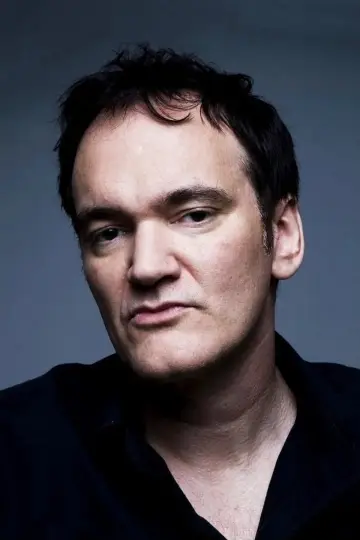
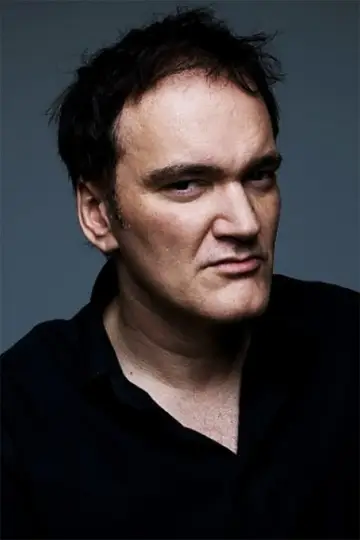
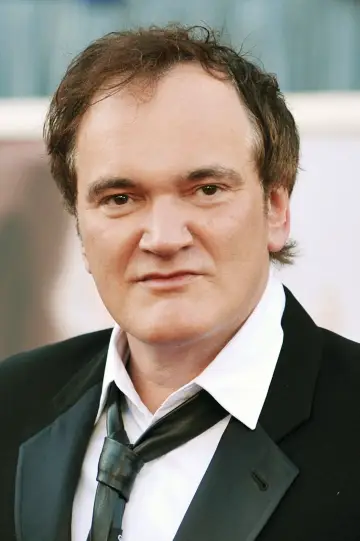
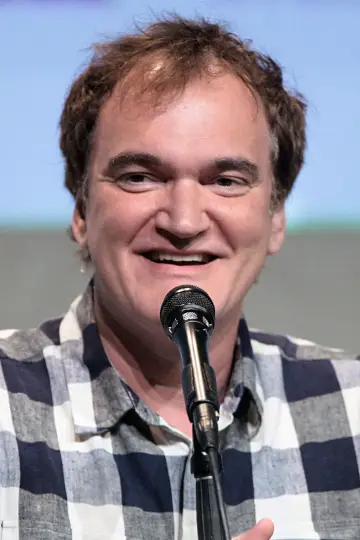
Photo Quentin Tarantino #1619Photo Quentin Tarantino #1620Photo Quentin Tarantino #1621Photo Quentin Tarantino #1622

Quentin Tarantino

Quentin Tarantino
Character First Scalped Nazi / American Soldier in 'Pride of Nation' (uncredited)

Vitus Wieser

Vitus Wieser
Character French Waiter (uncredited)
Bea-Marie Rück
Character German Female Soldier (uncredited)
Daniela Schwerdt
Character Cinema Guest (uncredited)
Niko Novick
Character Nazi Soldier (uncredited)
Frederik Klaus
Character Soldier (uncredited)

What's left behind the scenes

  • Quentin Tarantino began writing the screenplay even before "Kill Bill" (2003), but he couldn't come up with a suitable ending, so he decided to postpone the project and work on "Bill" instead.
  • Tarantino worked on the screenplay for about 10 years.
  • David Kramholtz left the project due to contractual obligations to other films.
  • Simon Pegg was originally supposed to play Archie Hicox.
  • The role of Sergeant Donnie Donowitz was offered to Adam Sandler, but he had to decline due to commitments to other projects.
  • The role of Francesca Mondino was specifically written for Julie Dreyfus.
  • The role of Bridget von Hammersmark was offered to Nastassja Kinski.
  • The name of Brad Pitt's character, Aldo Raine, is a tribute to actor Aldo Ray.
  • Isabelle Huppert was originally intended to play Madame Mimi.
  • Michael Madsen was once offered the role of a character named Babe Baczynski.
  • The role of Donnie Donowitz was offered to Tim Roth.
  • Initially, Tarantino wanted Leonardo DiCaprio to play Hans Landa, but later decided that a German-speaking actor would be better suited for the role.
  • According to Eddie Murphy, he was in negotiations with Tarantino about a role in the film.
  • Filming lasted 70 days.
  • The film's script is 165 pages long (the script for 'Pulp Fiction' (1994) was 170 pages long).
  • At one point, Quentin Tarantino considered making a trilogy, then he thought about a miniseries, and eventually, he decided to fit the action into one film.
  • Filming took place in Berlin, Saxony, and Paris.
  • The director spoke about his plans to make the film as early as 2001.
  • Scenes with swastikas were removed from the film, intended for a German audience, as the display of Nazi symbols is prohibited in Germany.
  • Eli Roth and his brother Gabriel filmed a film within a film for "Inglourious Basterds." The film's duration is 5 minutes 30 seconds.
  • Brad Pitt's character uses a knife made by "Arno Bernard".
  • The name of Til Schweiger's character, Hugo Stiglitz, is a tribute to the Mexican actor Hugo Stiglitz.
  • When asked about the grammatical error in the film's title, Quentin Tarantino replied that he would never reveal the secret why such an error was made, and what it means.
  • Rumor has it that Harvey Weinstein tried to convince Quentin Tarantino to cut the film by forty minutes.
  • The name of Wilhelm Wicki's character, played by Gideon Burckhard, is a tribute to directors Georg Wilhelm Pabst and Bernhard Wicki.
  • The posters for 'Pride of a Nation' are historically accurate. If such a film had been released at the time, posters like these could have been made for it.
  • The rough cut of the film is 3 hours and 10 minutes long.
  • Shosanna Dreyfus was named after Julie Dreyfus, who played Francesca Mondino.
  • When Shosanna (Mélanie Laurent) mentions the name of actress Lilian Harvey, Joseph Goebbels (Sylvester Groth) flies into a rage and demands that her name never be spoken in his presence. Lilian Harvey fled Germany in 1939 after helping Jewish choreographer Jens Keith escape to Switzerland.
  • Omar Ulmer was named after German director/screenwriter/artist Edgar G. Ulmer.
  • One of the names carved onto the Baseball Bat of the Jew-Bear is Anne Frank.
  • Deleted scenes detail the origin of the Jew-Bear Baseball Bat. These scenes were present in the version of the film shown at Cannes.
  • Daniel Brühl dubbed his character for the Spanish version of the film.
  • Hans Landa’s nickname is ‘Jew Hunter’. In real life, Christoph Waltz’s son is a rabbi.
  • On Stiglitz’s knife (Til Schweiger) is written “Meine Ehre heisst Treue,” which means “loyalty is my honor” (literally “my honor is named loyalty”).
  • The name Dieter Hellstrom is a reference to the Marvel Comics character Hellstrom.
  • Throughout the film, Christoph Waltz's character speaks four languages – English, French, German, and Italian.
  • As of 2011, 'Inglourious Basterds' received the most Academy Award nominations of any Quentin Tarantino film (8 nominations).
  • The film contains several references to Sherlock Holmes, for example, Hans Landa smokes a Calabash Meerschaum pipe (the same as Sherlock's); Landa also says: 'A remarkably good detective. Finding people is my specialty.'
  • To prepare for her role, Mélanie Laurent worked as a film projectionist for several weeks at the New Beverly Cinema. She mainly 'ran' cartoons and trailers before the start of films. Quentin Tarantino gave her a sort of exam to see how well she had mastered the profession: Mélanie had to show Quentin the film 'Reservoir Dogs' (1991) specifically for him.
  • The character of Frederick Zoller is based on Odie Murphy.
  • Several cinemas in California, such as Vista Cinema Silverlake and Los Angeles Theater, served as inspiration for the design of Shosanna's cinema.
  • After each take, the actors would turn to the camera and say “Hi, Sally,” addressing Sally Menke, the film’s editor. The same practice was used during the filming of Quentin Tarantino's previous films.
  • Denis Ménochet, who played Perrière LaPadite, was the first person to audition for the role.
  • Christoph Waltz dubbed his own character for the German version of the film.
  • According to Brad Pitt, the scenes were filmed in the same order as they appear in the film.
  • Originally, Nicholas Shumer was supposed to play one of the Inglourious Basterds, but was unable to participate in the film due to commitments to other projects.
  • Before meeting Diane Kruger, Quentin Tarantino had only seen Hollywood films with her in them and was convinced she was American. However, at her first audition, Diane easily convinced Quentin that German was her native language.
  • English dialogue accounts for approximately 42% of the screen time, German for 28%, French for 22%, and Italian for 1%. The film also features a 54-minute segment where characters speak English for only nine minutes. Moreover, the third chapter, 'German Night in Paris,' contains no English dialogue at all, which is very unusual for a commercial Hollywood film.
  • As of 2011, 'Inglourious Basterds' was the only Quentin Tarantino film to win an Oscar in acting categories (Christoph Waltz – Best Supporting Actor). John Travolta, Samuel L. Jackson, and Uma Thurman were nominated for their roles in 'Pulp Fiction' (1994) (Best Actor, Best Supporting Actor, and Best Supporting Actress respectively), and Robert Forster was nominated for his role in 'Jackie Brown' (1997) (Best Supporting Actor). They lost to Tom Hanks (for his role in 'Forrest Gump' (1994)), Martin Landau ('Ed Wood' (1994)), Dianne Wiest ('Bullets Over Broadway' (1994)), and Robin Williams ('Good Will Hunting' (1997)) respectively.
  • Shortly before the finale, when Aldo Raine pretends to be an Italian actor, he calls himself Enzo Girolami, a reference to Enzo G. Castellari, the director of 'Inglourious Bastards' (1978).
  • In the second chapter, Donovitz talks about 'The Teddy Game,' a reference to the famous baseball player Ted Williams, who interrupted his sports career to serve in the army during World War II and the Korean War.
  • Cloris Leachman played Mrs. Himmelstein, an elderly Jewish woman living in Boston who drinks tea with Donnie Donovitz. However, the scenes with Cloris were completely cut from the film, as were the scenes telling about Donnie's life before he went to the front.
  • To get into the bestial nature of the Jewish Bear, Eli Roth was greatly helped by carefully recreated costumes from the mid-20th century. According to him, anyone would want to kill someone after wearing wool underwear for a few hours. Also, Eli's girlfriend secretly added the soundtrack of the series 'Hannah Montana' (2006-2011) to his iPod, listening to which Roth quickly got into the necessary state of rage.
  • In the cinema scene, Eli Roth's character, Donnie Donovitz, says his name is Antonio Margheriti. Antonio is one of Eli's and Quentin Tarantino's favorite directors.
  • During a card game in a tavern, King Kong was the character the SS officer had to guess. “King Kong” (1933) was one of Adolf Hitler's favorite films.
  • Ennio Morricone was supposed to compose the music for the film, but was unable to do so due to commitments to other projects.
  • Quentin Tarantino met with Brad Pitt at Pitt's home in France to discuss the role of Aldo Raine. During the conversation, the two drank five bottles of wine. The dialogue ended late at night. Pitt agreed to star in the film.
  • Mike Myers' character, Ed Fenech, was named after Edwige Fenech, who gained fame in 'giallo' films, a subgenre of Italian horror films.
  • Quentin Tarantino called Rod Taylor personally to offer him the role of Sir Winston Churchill. When Taylor learned that filming would take place in Germany, he told Quentin that Albert Finney, who had repeatedly played Churchill, lived nearby in England. Tarantino replied: “If Rod Taylor refuses the role, I will call Albert Finney.” Taylor agreed to star in the film.
  • Enzo J. Castellarri, the director of *Inglorious Basterds* (1978) (American title – the original Italian title was *Quel maledetto treno blindato*, "This Damned Train") allowed Quentin Tarantino to use the film's title in exchange for a cameo. He played a general shouting, "Fire!". The scene with Enzo was filmed but did not make the final cut. Notably, Enzo later directed *Caribbean Basterds* (2010).
  • Before emerging from the tunnel under the bridge, Donnie Donowitz knocks on the wall 28 times with a bat.
  • Samuel L. Jackson reads the voice-over narration.
  • Harvey Keitel voiced the American officer whose voice we hear during the negotiation between Brad Pitt and Christoph Waltz’s characters.
  • Sam Levine played the artist who is in the background during the scene where Adolf Hitler first appears on screen.
  • Volker Michalowski, a German comedian, played one of the soldiers playing cards in the bar.
  • Schenke Möring, who played Private Butz Möring, also portrayed Gestapo officer Walter Fratzer, who appears in the bistro with Frederick and Shosanna.
  • Bela B. Felsenheimer, the drummer for the German band Die Ärzte, played the usher at the premiere of "Nation's Pride".
  • Bo Svenson, who appeared in "The Inglorious Bastards" (1978), played Colonel Svenson.
  • In "Nation's Pride", Quentin Tarantino voiced an American soldier who says, "I beg you, we must destroy the tower!"
  • The character of Eli Roth is named Donnie Donowitz. In the film “True Romance” (1993), scripted by Quentin Tarantino, there is a film producer named Lee Donowitz. According to Quentin, Donnie is Lee’s father.
  • In previous Quentin Tarantino films, there was always a shot where the camera looks at the actors from inside the trunk or under the hood of a car. This film doesn’t have such a shot, but it does have a practically identical one: a first-person view of those who have swastikas carved into their foreheads.
  • The film doesn’t say how Aldo Raine got the scar on his neck. However, the script hints that Aldo survived a lynching.
  • During filming, B.J. Novak took a leave of absence from filming the series “The Office” (2005-2013). His character’s absence from the series was explained by Ryan going on vacation to Thailand with friends.
  • At the premiere of “Nation’s Pride,” Joseph Goebbels introduces Frederick Zoller to Emil Jannings (Hilmar Eichhorn), whom Goebbels characterizes as the greatest actor in the world. Emil Jannings was born in Germany and was a star of silent films. In 1927, he moved to Hollywood, where he successfully continued his career. At the first Academy Awards ceremony in 1929, he became the first actor to receive the award for “Best Actor” for his roles in “The Way of All Flesh” (1927) and “The Last Command” (1927). With the advent of sound in cinema, Emil’s Hollywood career ended: he had a strong German accent. Jannings returned to Germany, where he starred with Marlene Dietrich in “The Blue Angel” (1930). During the Third Reich, Jannings appeared in several films that promoted Nazism, including “The Master” (1937) and “Uncle Kruger” (1941). Joseph Goebbels called Jannings the country’s leading actor. After the war, Emil Jannings was forced to abandon his acting career.
  • In early versions of the script, Shosanna was a more active member of the French Resistance: she shot German officers with a sniper rifle. She also had a list of high-ranking German officers she intended to kill. However, Tarantino felt that such a plotline did not fit the character of Mélanie Laurent. Therefore, in the film, Shosanna operates secretly and discreetly.
  • During the card game in the tavern, a card with the name Edgar Wallace (a British writer, journalist, and screenwriter) is attached to Volker Michalowski’s forehead. A card with the name King Kong is attached to August Diller’s forehead. Edgar Wallace originally conceived the idea for “King Kong” (1933). In Peter Jackson’s remake, Wallace is also mentioned as the story’s author.
  • Quentin Tarantino invited Hong Kong actress Maggie Cheung to play a role in the film, but all scenes with her participation were cut during final editing.
  • Til Schweiger persuaded Tarantino to include a scene in the film with the killing of Goebbels and Hitler in the cinema. Initially, the director did not intend to do this, but Schweiger insisted, arguing that he had dreamed of killing Hitler since the age of 13 and very much wanted to see his death, at least on screen.
  • Michael Fassbender was born in Germany but grew up in Ireland. He speaks two languages (English and German) and is also very good at imitating various accents and dialects. In the film, Michael’s character, Lieutenant Archie Hicox, is an Englishman who speaks German but cannot hide his accent.
  • The third chapter is the only one in the film where no one dies.
  • In the first version of the script, Sam Livaine (Hirschberg)'s role was much larger. However, in the film, he says only one line and disappears from the plot. According to Livaine, his character survived.
  • Quentin Tarantino personally and realistically choked Diane Kruger during the cinema scene.
  • At the premiere of 'Nation's Pride,' a 'Golden Knight's Cross with Swords of the War Merit Cross' can be seen around Hans Landa's neck. This award was established to recognize non-combat merits to the Third Reich during military operations. According to some sources, nine people received this award by the end of the war, while others claim about twenty. The award was established in October 1944, therefore Landa could not have received it.
  • Filming took place from October 9, 2008, to February 6, 2009.
  • The film's script is 165 pages long (the script for 'Pulp Fiction' was 170 pages long).
  • At one point, Quentin Tarantino considered making a trilogy or a mini-series.
  • Brad Pitt's character uses a knife made by Arno Bernard.
  • The posters for 'Nation's Pride' are stylistically accurate. If such a film had been released at that time, posters like these could have been made for it.
  • When Shosanna (Mélanie Laurent) mentions the name of actress Lilian Harvey, Joseph Goebbels flies into a rage and demands that her name never be spoken in his presence. Lilian Harvey fled Germany in 1939 after helping Jewish choreographer Jens Keith to move to Switzerland.
  • The inscription on Stiglitz's (Til Schweiger) knife reads 'Meine Ehre heisst Treue,' which translates as 'My honor is called loyalty.'
  • The name Dieter Hellstrom is a reference to the Marvel Comics character Demon Hellstrom.
  • Throughout the film, Christoph Waltz's character speaks four languages – English, French, German, and Italian.
  • The film contains several references to Sherlock Holmes, for example, Hans Landa smokes a Calabash Meerschaum pipe (the same as Sherlock's); Landa also says: "Damn good detective. Tracking people down is my specialty."
  • To prepare for the role, Mélanie Laurent worked as a film projectionist for several weeks at the New Beverly Cinema. She mainly "ran" cartoons and trailers before the start of films. Quentin Tarantino gave her a kind of exam to see how well she had mastered the profession: Mélanie had to show him the film 'Reservoir Dogs' specifically for Quentin.
  • Before meeting Diane Kruger, Quentin Tarantino had only seen Hollywood films with her in them and was sure she was American.
  • When, shortly before the finale, Aldo Raine pretends to be an Italian actor, he is named Enzo Girolami, which is a reference to Enzo G. Castellari, the director of 'Inglourious Bastards'.
  • In the second chapter, Donowitz talks about Teddy's game, which is a reference to the famous baseball player Ted Williams, who interrupted his sports career to serve in the army during World War II and the Korean War.
  • Elai Roth was largely helped to get into the animal nature of the Jewish Bear by meticulously recreated costumes. According to him, anyone would want to kill someone after wearing wool underwear for a few hours. Roth’s girlfriend also secretly added the soundtrack of the series “Hannah Montana” to his iPod, listening to which quickly drove Roth into a rage.
  • In the cinema scene, Elai Roth's character states his name is Antonio Margherita. Antonio is one of the favorite directors of both Elai and Quentin Tarantino.
  • During the card game in the tavern, the SS officer had to guess King Kong. “King Kong” (1933) was one of Adolf Hitler’s favorite films.
  • During the game in the tavern, a card with the name Edgar Wallace (a British writer, journalist, and screenwriter) was attached to the forehead of Volker Michalowski. A card with the name King Kong was attached to the forehead of August Dyle. It was Edgar Wallace who came up with the idea for the original “King Kong”.
  • Quentin Tarantino met with Brad Pitt at Pitt’s house in France to discuss the role of Aldo Raine. During the conversation, they drank five bottles of wine. The dialogue ended late at night.
  • Mike Myers' character Ed Fennec was named after actress Edwige Fenech.
  • Enzo G. Castellari, the director of the film 'The Inglorious Bastards,' allowed Quentin to use the film's title in exchange for a cameo. He played a general shouting 'Fire!' The scene with Enzo was filmed but did not make the final cut of the film. Notably, Enzo later directed a film called 'Caribbean Bastards.'
  • Harvey Keitel voiced the American officer whose voice is heard during the negotiations between the characters of Brad Pitt and Christoph Waltz.
  • Sam Levine played the artist who is in the background during the scene where Adolf Hitler first appears.
  • Eli Roth's character is named Donnie Donowitz. In the film 'True Romance,' written by Quentin Tarantino, there is a film producer named Lee Donowitz. According to Quentin, Donnie is Lee's father.
  • Previous films by Quentin Tarantino featured a shot where the camera looks at the actors from the trunk or hood of a car. This film does not have such a shot, but it does have a practically identical one: a first-person view of those who have swastikas carved into their foreheads.
  • During filming, B.J. Novak took a leave of absence from filming the series “The Office.” His character’s absence from the series was explained by the fact that Ryan went to Thailand with his friends for a vacation.
  • At the premiere of “Nation’s Pride,” Joseph Goebbels introduces Frederick Zoller to Emil Jannings (Hilmar Eichhorn), whom Goebbels describes as the greatest actor in the world. During the Third Reich, Jannings starred in several films that promoted Nazism, including “The Master” and “Uncle Kruger.” Joseph Goebbels called Jannings the country's leading actor.
  • Quentin Tarantino invited Hong Kong actress Maggie Cheung to one of the roles, but all scenes with her participation were cut during final editing.
  • In the first version of the script, the role of Sam Levine was much larger. However, in the film, he says one line and disappears from the plot. According to Levine, his character survived.
  • Quentin Tarantino personally strangled Diane Kruger in the cinema scene.
  • At the premiere of 'Nation's Pride,' a Golden Knight's Cross of Military Merit can be seen on Hans Landa's neck. This award was established to recognize non-combat merits to the Third Reich during military operations. The award was instituted on October 12, 1944, so Landa could not have received it.
  • When Aldo Raine interrogates a captured field sergeant at the 31st minute of the film, a chest badge can be seen on his uniform. The badge disappears and reappears with each change of frame.
  • The film's screenplay is 165 pages long (the screenplay for "Pulp Fiction" was 170 pages long).
  • The posters for "Nation's Pride" are stylistically accurate. If such a film had been released at that time, posters like these could have been made for it.
  • At the premiere of "Nation's Pride", Hans Landa can be seen wearing the Golden Knight's Cross of Military Merit. This award was established to recognize non-combat merits to the Third Reich during military operations. The award was established on October 12, 1944, so Landa could not have received it.
Did you like the film?

© ACMODASI, 2010-2026

All rights reserved.
The materials (trademarks, videos, images and text) contained on this site are the property of their respective owners. It is forbidden to use any materials from this site without prior agreement with their owner.
When copying text and graphic materials (videos, images, text, screenshots of pages) from this site, an active link to the site www.acmodasi.in must necessarily accompany such material.
We are not responsible for any information posted on this site by third parties.