The Killing






Short description
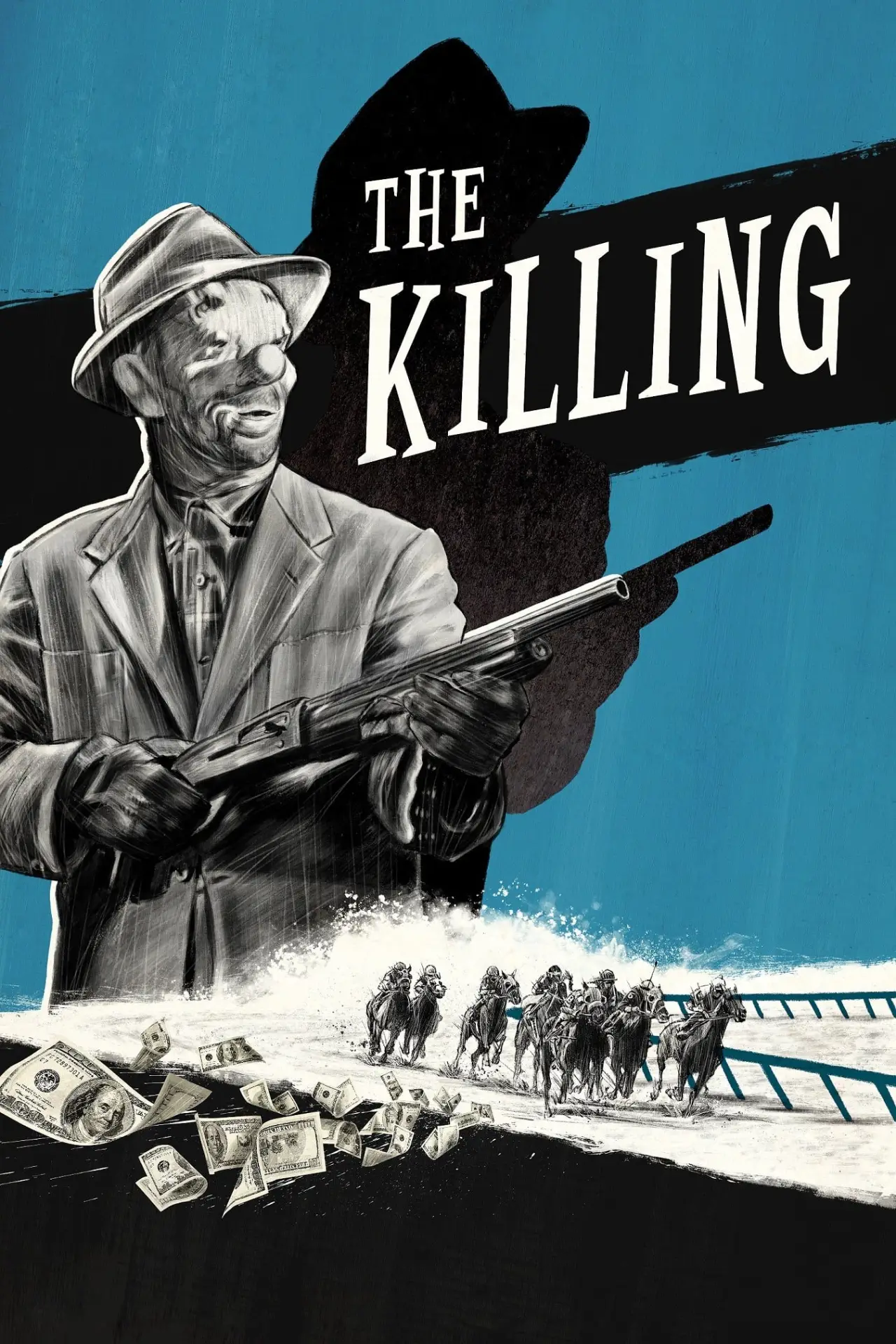
Johnny Clay, just out of prison, assembles a crew for an armed robbery at a racetrack. His plan draws on men who are not career criminals: a patrolman in debt, a bartender, a betting teller and a sharpshooter, among others. Clay intends the job to be his last before he settles down with Fay, but the teller's wife learns of the scheme and pursues her own interests, so the carefully arranged plan begins to come apart.
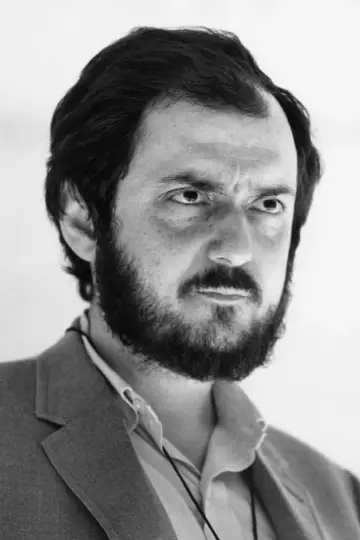
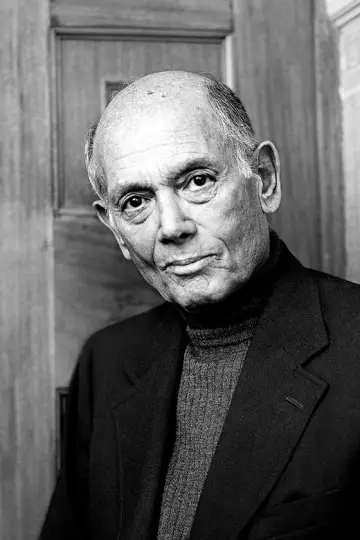
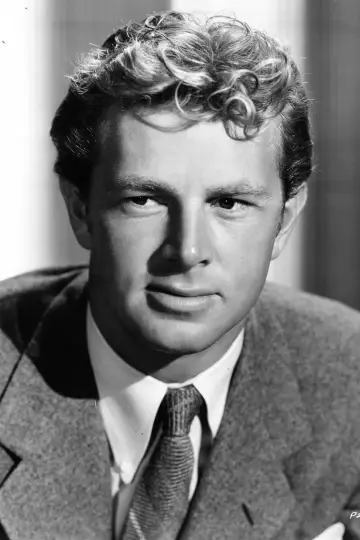
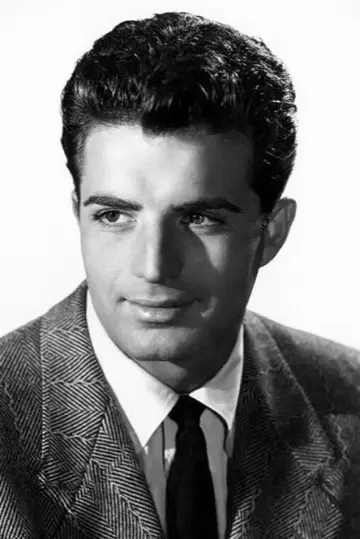
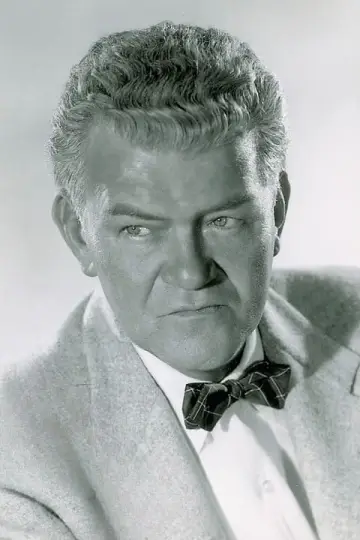
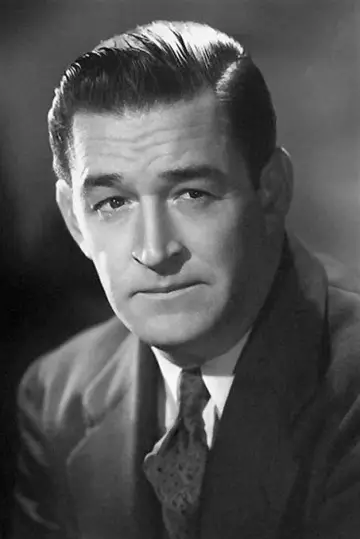
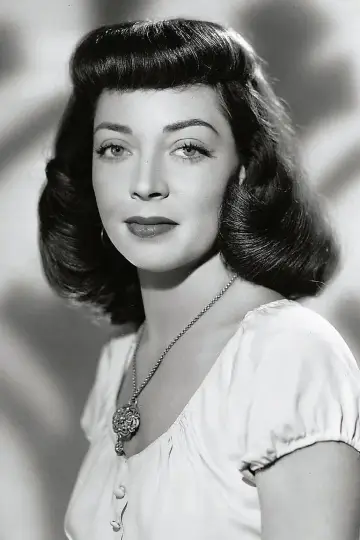
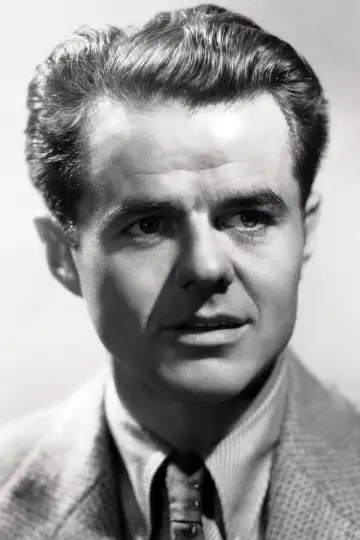
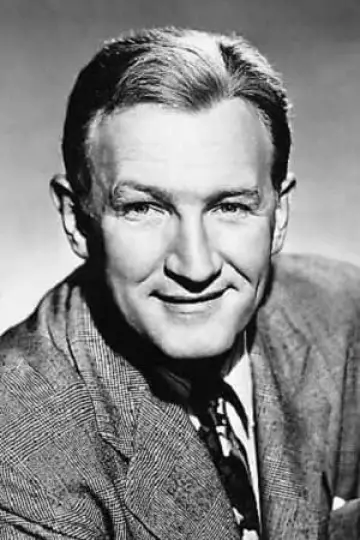
Stanley Kubrick directed and co-wrote the screenplay with Jim Thompson, working from a story by Lionel White. The film is the third of the thirteen features Kubrick directed, following Killer's Kiss and preceding Paths of Glory, and was produced by James B. Harris. Sterling Hayden heads the cast as Clay, with Coleen Gray as Fay, Vince Edwards as Val Cannon, Jay C. Flippen as Marvin Unger, Ted de Corsia as Patrolman Randy Kennan and Marie Windsor as Sherry Peatty. Fifty-nine cast members and forty-nine crew members are credited, unusually large numbers for a low-budget crime picture of the period.
On IMDb, voters rate the film 7.9 out of 10 from about 105,000 votes, while on TMDB it holds 7.6 out of 10 from roughly 1,769 votes. A critics' rating of 8.9 out of 10 from 48 reviews places it above both audience scores. The consensus across these measures is of a tightly constructed, widely admired crime film that has held up well since its 1956 release.
What's left behind the scenes
- The results of the initial preview screenings were disappointing due to the non-linear nature of the narrative. Stanley Kubrick was forced to sit in the editing room and re-edit the film so that the script unfolded linearly, but this only further confused the entire plotline. In the end, the film was released in its original form (i.e., with a non-linearly developing plot), and it subsequently had a huge influence on other films with a similar plot structure – such as Quentin Tarantino’s thriller *Reservoir Dogs* (1991) or his drama *Pulp Fiction* (1994).
- The film shows 8 corpses.
- The Killing is a slang term meaning "big score".
- It is known that Stanley Kubrick was a very demanding director and always shot many takes. The horse race scene, for example, was filmed 45 times in a row, so the horse used in the filming was sent to slaughter directly from the set. It was the 1950s, so no one paid much attention to this (referring to various public organizations advocating for animal rights).
- The text by the author was added to the film at the insistence of the studio management. Stanley Kubrick disowned this idea as much as he could, but was forced to comply. A significant portion of the information provided to viewers by the narrator turned out to be incorrect or erroneous.
- The script originally called for Sterling Hayden's character to be chopped up by an airplane propeller when he went to collect money, but this plot point was changed to show him simply being shot by police. This occurred because American Airlines claimed the episode implied insufficient safety precautions and that viewers would interpret Hayden’s character’s death in that way.
- The appearance of the character Sterling Hayden (Johnny Clay), going on a job in a hat and with a briefcase in his hands, was successfully parodied by E. Rязаnov in the comedy "Beware of the Car" (1966).
- The film is based on Lionel White's novel "The Big Score".
- Sterling Hayden's character approaches Morris (played by Kola Kwariani) with a proposition at a chess club on 42nd Street in New York. Director and screenwriter Stanley Kubrick was a regular there (as was Morris).
- This was Kubrick’s first film for which he hired a cinematographer. Lucien Ballard was invited to the project because Kubrick was working under union rules for the first time, and therefore was not allowed to be both director and cinematographer, as he had been in his previous films. Kubrick and Ballard constantly argued, and their relationship deteriorated over time to the point where Ballard even stopped coming in the evenings to watch the footage shot during the day.




 Auditions in India
 Casting calls in USA
 Castingi w Polsce
 Кастинги в Україні
