Shane




Short description
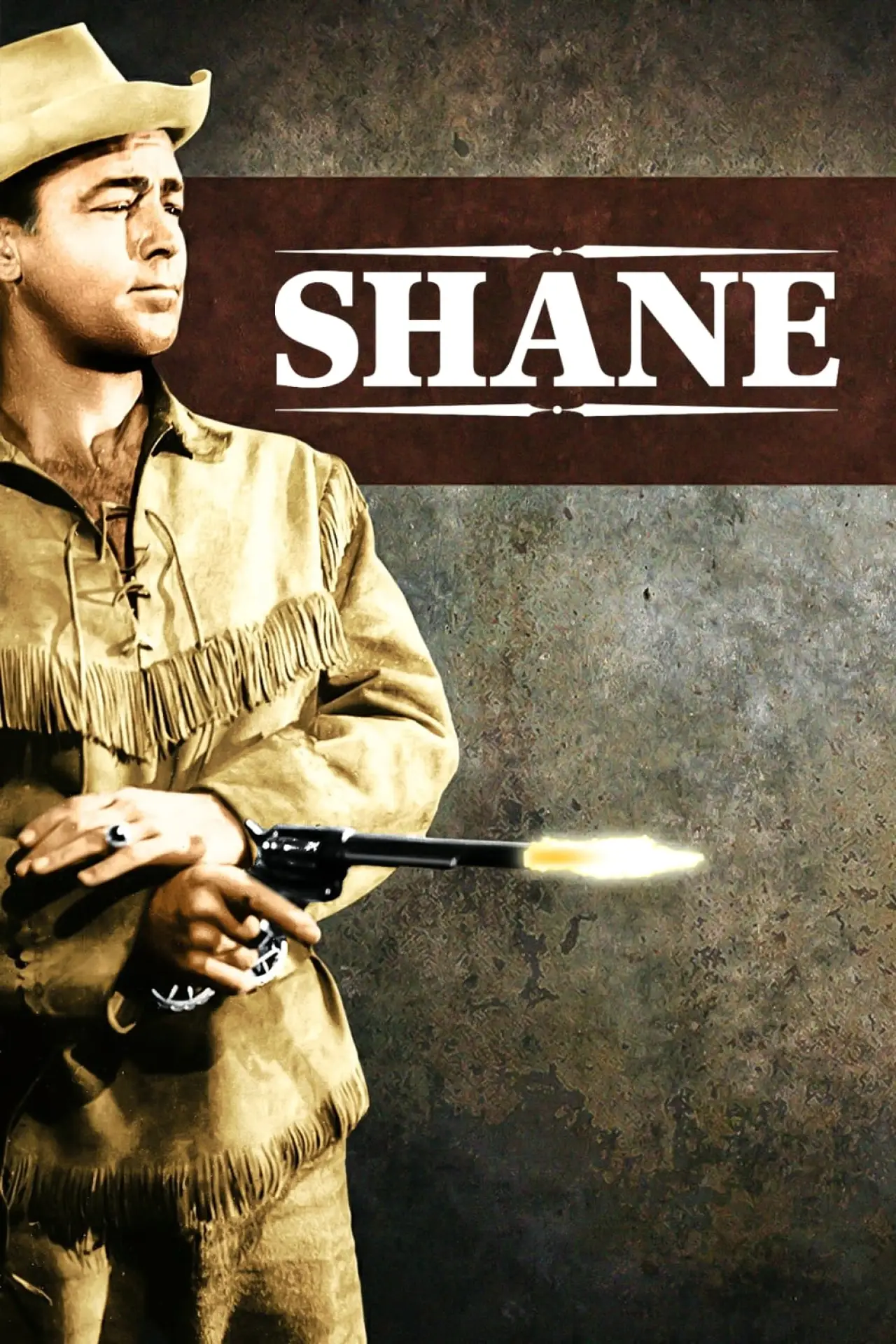
A drifting stranger rides into a Wyoming valley and asks a homesteading family for water. Joe and Marian Starrett, who are scraping a living from their land with their young son Joey, take him in and give him work. The man calls himself Shane, and although he says nothing about his past, it becomes clear that he is a gunfighter. The valley's small farmers are under pressure from the cattleman Rufus Ryker, who claims the range as his own and is willing to use force to drive them off. Shane takes the settlers' side, and Joey comes to see him as a hero.
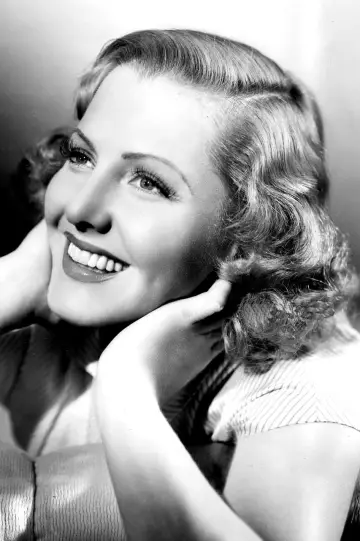
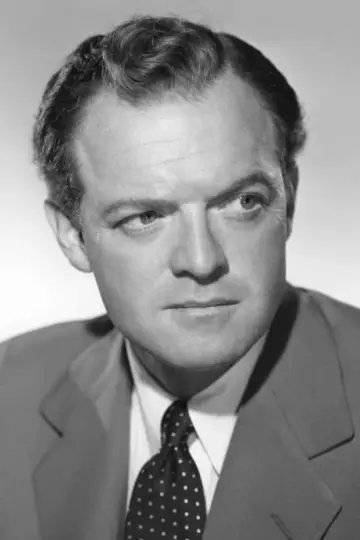
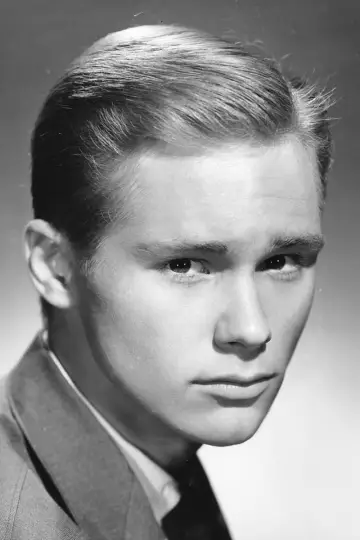
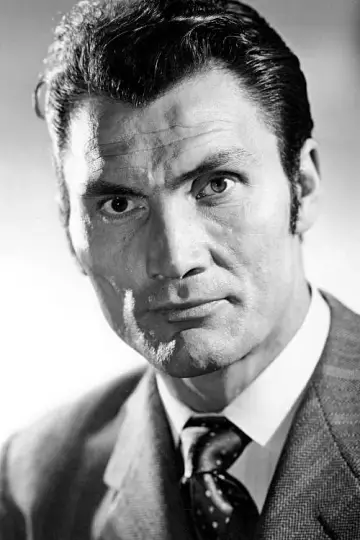
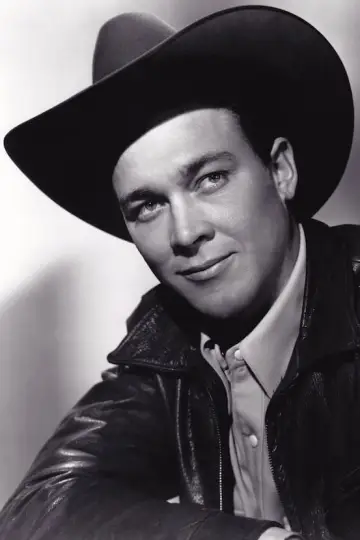
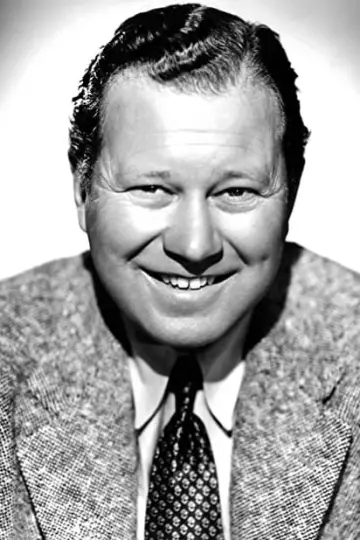
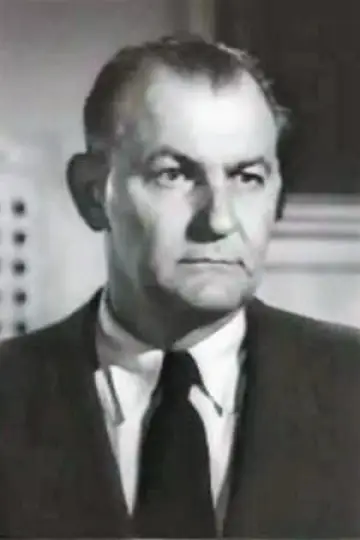
George Stevens directed and produced the film, working from a screenplay by A.B. Guthrie Jr. It followed A Place in the Sun (1951) in Stevens's filmography and came before Giant (1956). Alan Ladd plays Shane, with Van Heflin and Jean Arthur as the Starretts, Brandon De Wilde as Joey, and Jack Palance and Ben Johnson among a credited cast of thirty-four.
Paramount backed the production with a budget of three million dollars, and it returned twenty million worldwide. On IMDb it holds 7.6 out of 10 from around forty-eight thousand votes, while on TMDB it stands at 7.3 from roughly seven hundred. A critics' rating of 8.9 from thirty-eight reviews places it well above the audience scores.
What's left behind the scenes
- Filming wrapped in October 1951, but at the insistence of director George Stevens (1904-1975), so much footage was shot that the editing process took a very long time, and the film didn't reach the screens until August 1953. All this significantly increased the film's costs, which was originally intended to be a routine Western. The cost literally soared, so the Paramount Pictures studio even offered to sell the film to Howard Hughes (1905-1976), but Hughes declined. He changed his mind only after watching a rough cut of the film and immediately offered to buy it. The studio paused to consider its own plans – initially, it was intended as a B-movie, but it was then decided to make it one of the biggest releases of the year. The decision proved to be correct, and the film more than recouped its production costs.
- While filming the funeral scene, the dog absolutely refused to look into the excavated grave. It ended with director George Stevens ordering the trainer to lie at the bottom of the grave, and only then did the dog do what was needed. Then the coffin (filled with stones for added effect) was lowered into the grave, and when a harmonica began to play at that very moment, the crew was so touched that workers instinctively began to fill the grave with earth, until they realized that the trainer was still down there.
- During filming with Jack Palance (1919-2006), problems with the horse arose periodically. In the scene where Shane and Jack first look at each other on the ranch, Palance's character was supposed to dismount briefly and then remount. But he just couldn't remount. Then the director told Jack to dismount, but slowly, and filmed all of that, then ran the film backwards.
- The first shots in the film sound when Shane explains to Joey how to shoot. To enhance the sound effect, the shots were fired into an empty trash can, so that the echo would make the sound of the shot much louder. George Stevens wanted the audience to flinch at the first sounds of gunfire.
- For the role of Shane, George Stevens initially cast Montgomery Clift (1920-1966), and William Holden (1918-1981) for the role of Joey, but when they became difficult and decided to star in other films, they almost abandoned the filming of 'Shane' altogether. However, George Stevens had the idea to ask Frank Freeman (1890-1969), the head of Paramount Pictures, who else among the actors was available, and within three minutes he found Alan Ladd (1913-1964), Van Heflin (1908-1971), and Jean Arthur (1900-1991) for filming.
- All the props were originals that matched the era, the buildings were constructed according to the requirements of the period, and the characters' clothing was also authentic. Because the herds nearby looked too well-groomed and well-fed, George Stevens even ordered leaner cattle to be brought to the filming location.
- During the filming of the movie, George Stevens placed great importance on realism, as he had witnessed firsthand during World War II what a bullet could do to a person. "Shane" was one of the first films to use wire to pull an actor or stuntman back off the horse to simulate being hit by a bullet.
- Before filming this movie, Jack Palance mainly worked in the theater and had practically no experience with horses or weapons. When he arrived on set, work on the film was paused, and Palance used the free time to learn how to mount and dismount a horse, as well as handle weapons. By the time filming resumed, he had become quite proficient in both.
- Jean Arthur was a great lover of wildlife and personally ensured that the animals involved in the filming received proper care. If something didn't suit her, she fixed it herself, to her own satisfaction.
- Outdoor scenes were filmed with a telephoto lens to make the mountains in the distance appear closer and more imposing.
- The scene in which Alan Ladd’s character practices shooting in front of the character played by Brandon De Wilde (1942-1972) was filmed on the 119th take.
Similar movies


 Auditions in India
 Casting calls in USA
 Castingi w Polsce
 Кастинги в Україні
