Acting education in India: institute, course or workshop and when to choose which
Behind the Scenes: Education: Acting education in India: institute, course or workshop and when to choose which

The question "does an actor need training" is put wrongly. The right version is: what specific problem are you solving now, and which format closes it. An institute, a course and a workshop deliver different things, and confusing them costs years.
The institute: system and environment
A full-time programme gives what no short format can: several years of daily practice under teachers, work on speech, movement and voice, a role carried through a full cycle, and graduation productions. In India the established route runs through the National School of Drama in Delhi, the Film and Television Institute of India in Pune, the Satyajit Ray Film and Television Institute in Kolkata, and a number of university and private programmes.
Often the greater value is not the syllabus but the environment. Your batch becomes the people you work with for the next twenty years: directors, cinematographers, actors. A large share of early-career invitations comes from exactly there.
The drawbacks are equally clear: several years of full commitment, entrance competition that is severe, and an academic approach that does not always translate quickly to camera work.
Courses: a specific skill in a specific time
Longer courses at studios and theatre groups solve a narrower problem: working to camera, fixing speech, releasing physical tension, preparing material for auditions. The format suits people already working or studying something else.
What to look at when choosing:
- Who teaches. Not the school's name but the individual and their practice. A teacher who still works on productions passes on a different kind of knowledge than a theorist.
- How much practice. The question "how many times during this course will I stand in front of a camera" answers everything.
- Group size. In a group of twenty there will be no individual work.
- What you leave with. Recorded material, a self-tape, a showcase for agencies — that is what you take forward. A certificate is not that.
- An open class. If the school will not let you come and watch, that is the answer.
Workshops and intensives
A one-off format solves a point problem: working with a particular teacher, sharpening one skill, breaking out of a dry spell. Good for maintaining condition, not a substitute for systematic training — two days will not change how you work.
They work best once you already have a base and know what you are missing.
Side skills that pay for themselves
- Languages. In a market that shoots in a dozen languages, performing credibly in more than one is the single strongest multiplier on your castability, and it opens dubbing work as well.
- Speech and diction. Affects every audition without exception.
- Movement, dance, stage combat, horse riding, driving. Lines in your profile that people search on for specific roles.
- Singing. A separate segment of productions you cannot enter without it.
- Camera technique. The skill theatre training gives least well.
What no training provides
Neither an institute nor a course hands out roles. They provide the tool and the material you walk into auditions with — after that, what works is the regularity of your applications, a current profile and the ability to stay in working condition between projects.
The conclusion is simple: choose the format for the coming year's problem, not for life. Need a base and an environment — the institute. Need to learn camera work — a course with practice. Need to get moving — an intensive, and applications to castings immediately afterwards, while the work is fresh.
Share


Author: Alexander Shaida, Editor-in-chief
Publication date: 11 August 2026
Views: 89
About us and our editorial policy
Comments
Other materials in this section
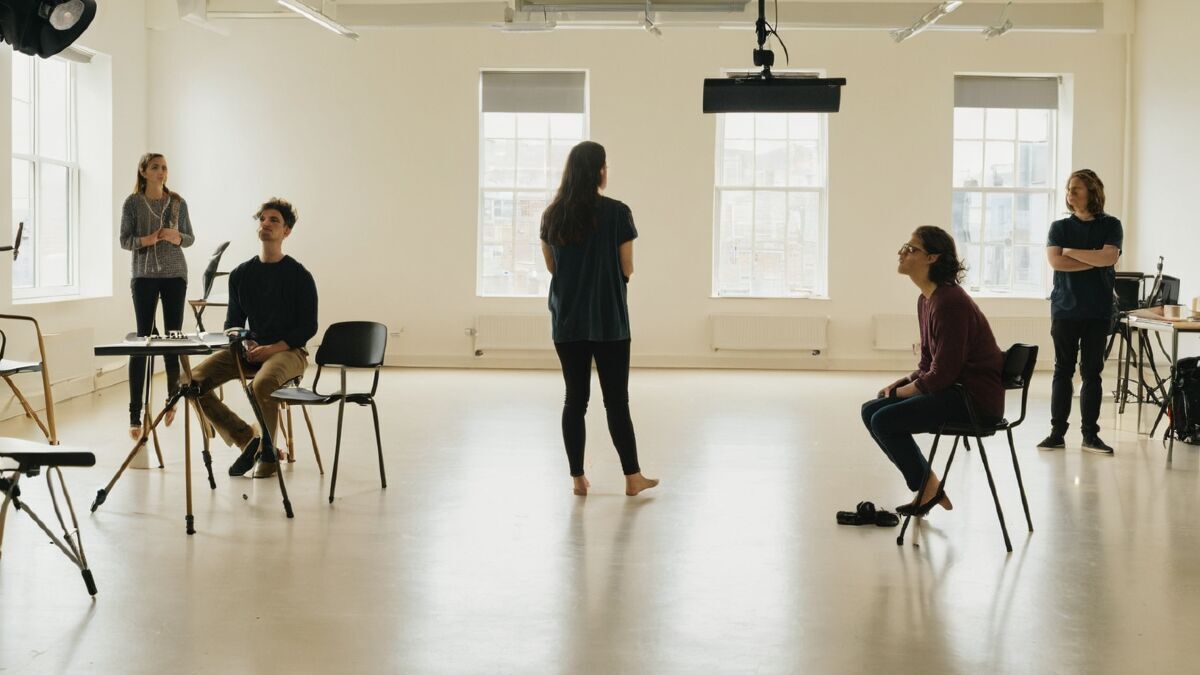
Learn how to evaluate instructors, what questions to ask before paying, and how to distinguish between effective training and marketing hype.
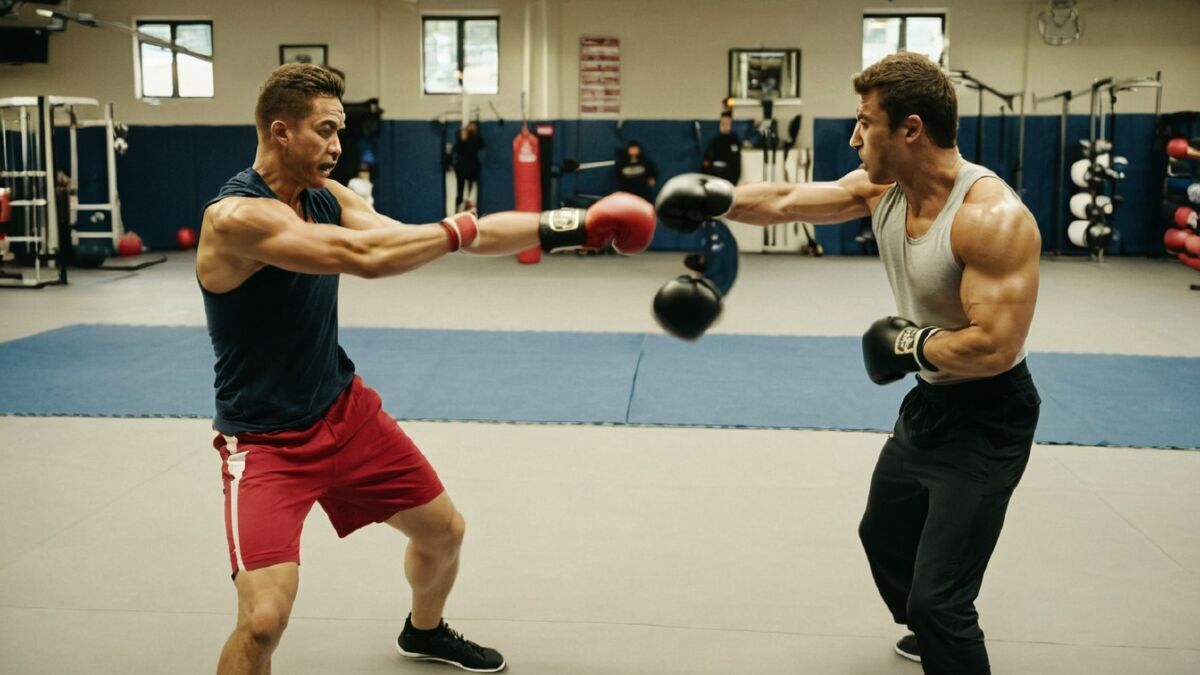
Discover how stage combat differs from martial arts, the skills it provides to actors, and the essentials of safety during the filming of action sequences.

Discover the actual level of language proficiency required for filming, the difference between speaking and performing, and how to honestly list your skills on a casting profile.
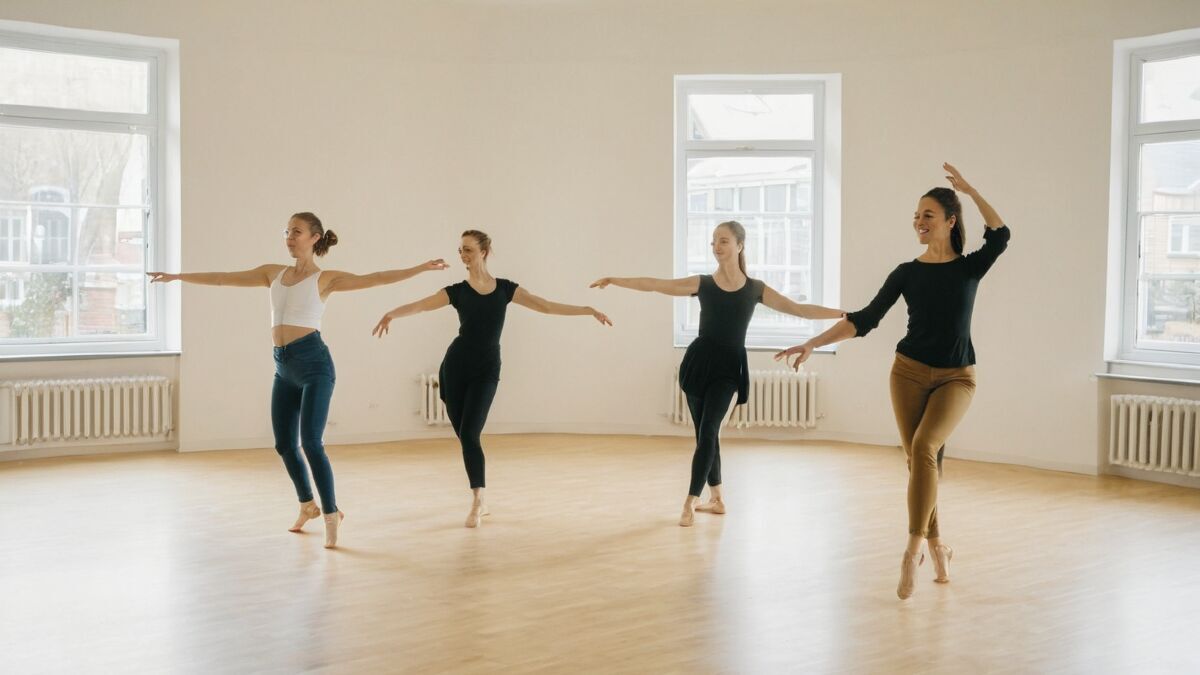
Discover which dance skills are truly requested at auditions, which styles provide the most professional benefit, and how to accurately list your level in your portfolio.
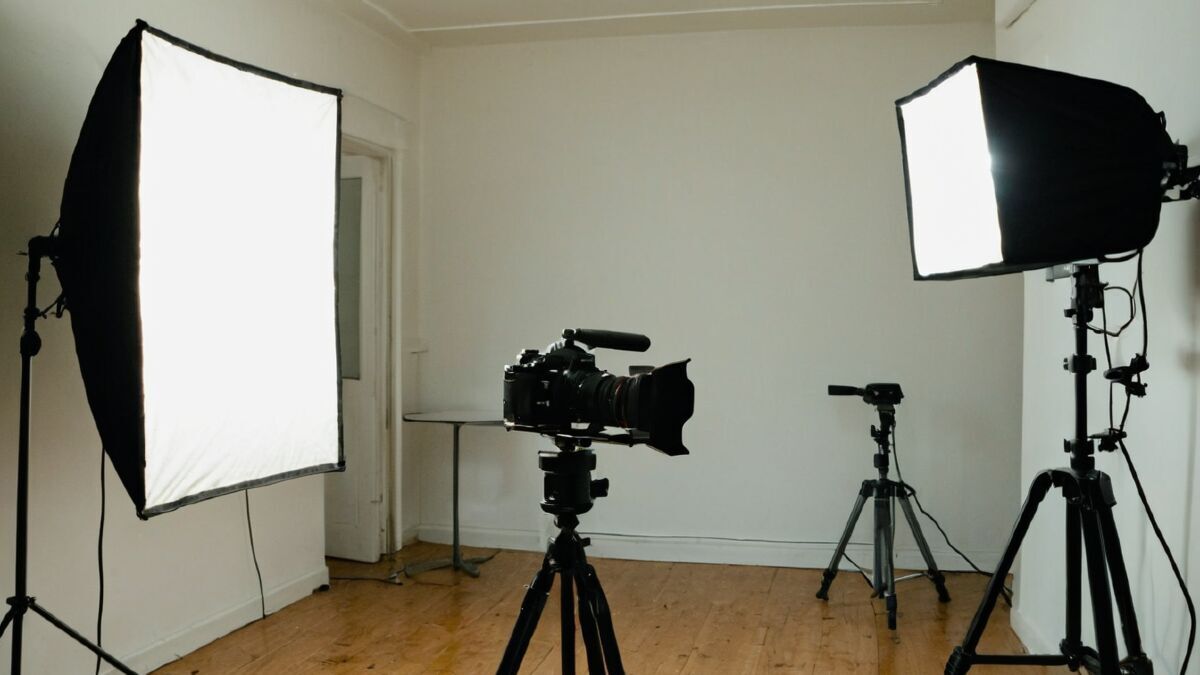
Discover the key differences between stage and screen acting, how to get comfortable with the lens, and practical smartphone exercises to refine your performance.

Swallowed endings, a locked jaw, monotony and pace — what gets in the way at auditions, what you can fix alone and when you need a teacher.
 Auditions in India
 Casting calls in USA
 Castingi w Polsce
 Кастинги в Україні
