How to interact with other candidates during group auditions
Behind the Scenes: Guides: How to interact with other candidates during group auditionsGroup auditions can be more intimidating than solo ones: there are twenty people in the room, all roughly your type, and you only have a few minutes each. The temptation to stand out at any cost is strong. This is precisely the mistake that causes most people to fail group auditions.
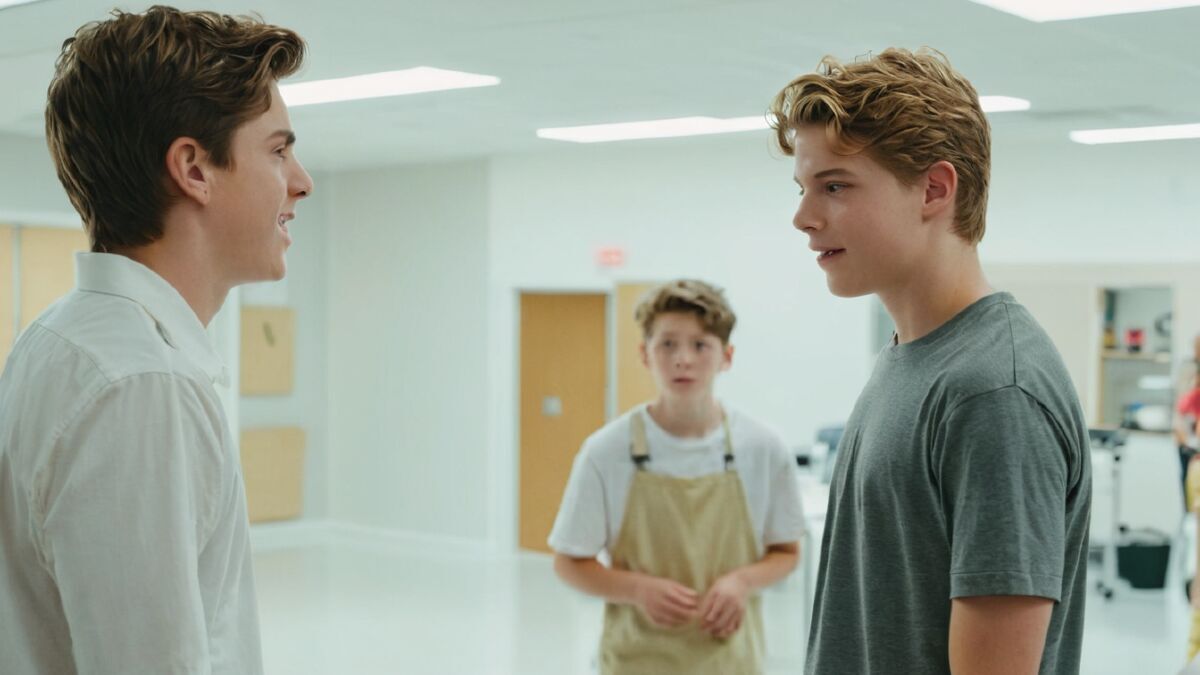
Why This Format Is Used
Group auditions are held for three main reasons, and your behavior should depend on which one applies to you.
Mass Selection. When a production needs to see a hundred people in one day—for background artists, junior artistes, or large-scale commercials. Here, they are looking for a specific look, general presence, and the ability to follow directions. There is very little actual acting involved.
Chemistry Check. They are looking for pairs or groups that look right together: a family, a group of friends, or a team. In this case, it is not your individual performance that matters, but how you look and sound next to others.
Improvisational Selection. The group is given a scene or an exercise to see how each person exists within the dynamic. This format is common among directors with a theater background, including those influenced by the traditions of institutes like NSD, FTII, or SRFTI.
You can clear up the uncertainty by asking one simple question beforehand—this will immediately remove half of the stress.
What They Look For in a Group Format
- How you listen. Your partner is speaking, but the camera is on you. The reaction is more important than the line.
- Whether you maintain your objective when the attention is not on you. People who "switch off" between their lines are noticed instantly.
- How you interact. Do you engage or close yourself off? Do you give your partner a "pass" or try to hog the spotlight?
- How you take direction. In a group setting, instructions are given quickly and are not repeated.
- How you look next to others. Height, age, and texture in comparison to others are beyond your control, so worrying about them is pointless.
Before the Audition Starts
Arrive early: in group formats, latecomers are often simply left out of the exercises. Wear neutral clothing that doesn't blend in too much; in a room of twenty people wearing black, a grey t-shirt is more memorable than a black one.
While waiting your turn, introduce yourself to those around you. This isn't just social etiquette; it's a professional necessity. If you are paired up, knowing your partner's name prevents the first minute of the scene from being wasted on awkwardness.
Put your phone away completely. The casting director observes the room even before the session starts. Someone who spends the entire hour staring at a screen and then suddenly acts "engaged" is easy to spot.
How to Be Noticed Without Overshadowing Others
The main paradox of this format is that the person who is most precise, not the loudest, is the one who gets noticed. Trying to steal the spotlight is the most common and most obvious mistake. It is read as a lack of professionalism because, on a professional set in Mumbai or Hyderabad, such an actor would ruin their partner's scene.
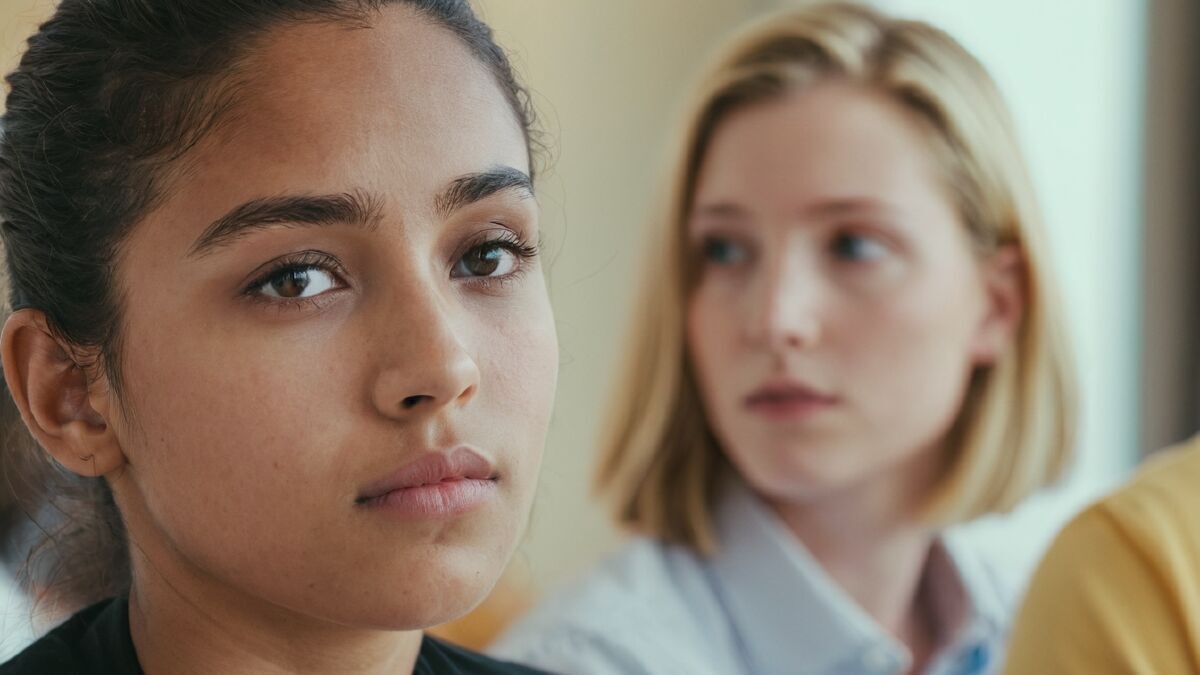
What works instead:
- Specific action. In an improvisation, you must have a goal directed at your partner, not a desire to show off.
- Reaction. A genuine reaction to someone else's line in a group shot is valued more than your own perfectly delivered phrase.
- Supporting your partner. An actor who makes their partner look better is remembered by the casting director—these are the people who get called back for future projects.
- Silence. The ability to be silent on camera while still "existing" in the scene is a rare skill, and it is most visible in a group.
What Not to Do
- Interrupting or talking over others. If the audio is ruined for everyone, the person who interrupted is to blame.
- Physically stepping into the foreground. Blocking other people is a direct path to being cut.
- Commenting on others' work. Even if you are being supportive.
- Arguing with the assignment. Saying "Can I do this instead..." costs more in a group setting than it does in a one-on-one.
- Acting for the camera instead of the partner. This is noticeable from the first second.
- Discussing other projects or fees during breaks. Rooms are small, and everything is overheard.
If the Scene Goes Wrong
Group improvisations often fall apart: someone pulls the scene in their own direction, someone stays silent, and the scene stalls. You do not need to "save" it by taking control—that is not your job. Your job is to stay in character and continue acting according to the circumstances.
If a partner forgets their line or freezes, the most helpful thing is to give them support: address them directly, ask a question within the context of the scene, or take a pause. This is noticed and highly valued.
If you are paired with someone who is obviously overshadowing everyone, do not enter a competition. Calm, precise work next to a frantic partner always wins on the recording.
When Multiple People Are in the Frame
Technical details that make a difference:
- Don't block. If you feel you are covering someone, shift half a step—it looks organic, not like a retreat.
- Maintain the line. In a group shot, everyone should stand at roughly the same depth, otherwise, someone will be out of focus.
- Don't look into the lens. In group auditions, looking at the camera breaks the scene more severely than in solo auditions.
- Speak slightly louder than usual, but not louder than your partner. There is usually one microphone for everyone, positioned in the middle.
After the Audition
Group auditions often lead to individual callbacks—that is their primary purpose. An invitation may come several weeks later because the team first reviews the entire recording.
A lack of an invitation in a group format says less about you than in an individual one: very often, selection is based on chemistry and "fit" rather than the quality of the acting. Two strong actors who simply don't look right together is a common reason for both to be rejected.
In Short
- Clarify beforehand why the group is being gathered: mass selection, chemistry check, or improvisation.
- Arrive early and get to know those you might be paired with.
- Precision, not volume, makes you noticeable.
- Reactions and supporting your partner are valued more than a great solo line.
- Do not try to save a collapsing scene—stay focused on your own objective.
- A rejection in a group format is often about compatibility, not your skill.
Open calls, including those with group selections, can be found in the castings section.
Share


Author: Aditya Kulkarni, editor
Publication date: 24 August 2026
Views: 47
Comments
Other materials in this section

Learn what to include in your resume and in what order, how to list credits when starting out, which skills are valuable, and the difference between a resume and a website profile.

Learn how background and atmosphere artists are recruited, what to ask coordinators, how to handle payments and taxes, and how to navigate your first day on set.

Learn how to break down speech patterns by sound rather than stereotypes, where to find authentic references, and why clarity always beats phonetic perfection in the audition room.
What an invitation to a second round actually means, who will be in the room, and how to prepare for the final selection process.

From legal consents and shooting hours to spotting scams and managing the set—everything parents need to know before their child's first audition.
Where rejection actually comes from, how to survive the silence after an audition and what genuinely helps keep your footing in this profession.
 Auditions in India
 Casting calls in USA
 Castingi w Polsce
 Кастинги в Україні
