The actor's video introduction: do you need one and how to record it
Behind the Scenes: Guides: The actor's video introduction: do you need one and how to record it

A photograph shows how you look. A video introduction answers what a photograph cannot: how you speak, how you carry yourself, what your voice and rhythm are like. For performing roles it is often the material that decides whether you get called in.
Introduction versus self-tape
- A self-tape is recorded for one specific role, with text the production has sent. It is single-use.
- A video introduction is general and lives in your profile. It shows you, not a character, and it works all year, including when you are not applying anywhere.
What belongs in it
- The introduction. Name, age or age range, height, city. A few seconds, straight to camera.
- A few sentences in your own words. What you do, what you have appeared in, what you can do. Naturally, not recited.
- Languages. Say two or three sentences in each language you can perform in. In this market that section alone often justifies the whole video.
- A short piece. A monologue or a scene — ideally two contrasting moods, around thirty seconds each.
- Physical skills, if they are visual. Dance, singing, martial arts, riding — a few seconds each.
Technique without equipment
- Light. Stand facing a window during the day, with your back to a wall. The source in front of you, never behind.
- Sound. More important than the picture. Choose a room with curtains and soft furnishing, switch off the fan and the air conditioner, and keep the phone about a metre and a half away. A cheap collar microphone improves the result more than a better camera would.
- Frame. Horizontal, waist-up, camera at eye level, phone on a stand — never handheld.
- Background. A plain light wall with no pictures or doorways. Simple clothing, no prints or logos.
What to avoid
- Turning it into a music video. Background score, cutaways, effects and titles all get in the way of what the viewer opened it for.
- Length. Beyond two minutes almost nobody watches to the end. Ninety seconds is a good target.
- Showreel footage with no voice. A montage of clips does not replace an introduction.
- An old recording. It has to match how you look now.
When to pay for a production
A professionally shot introduction makes sense once you already have material to show and know what your casting type is. Early on, an honest recording made at home in daylight with clean sound works better than a polished film in which the person cannot be seen.
Upload the finished video to your profile — then it works on every search of the database, not just on one application to a casting call.
Share


Author: Aditya Kulkarni, editor
Publication date: 16 August 2026
Views: 43
Comments
Other materials in this section

Learn what to include in your resume and in what order, how to list credits when starting out, which skills are valuable, and the difference between a resume and a website profile.

Learn how background and atmosphere artists are recruited, what to ask coordinators, how to handle payments and taxes, and how to navigate your first day on set.

Learn how to break down speech patterns by sound rather than stereotypes, where to find authentic references, and why clarity always beats phonetic perfection in the audition room.
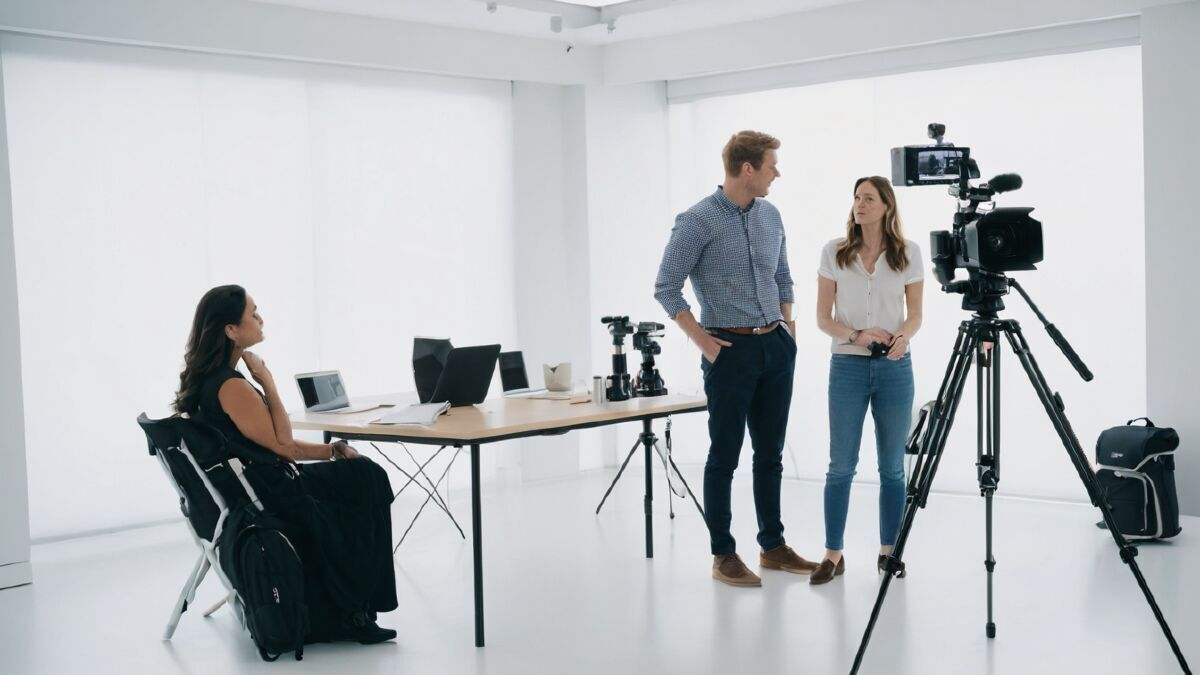
What an invitation to a second round actually means, who will be in the room, and how to prepare for the final selection process.

From legal consents and shooting hours to spotting scams and managing the set—everything parents need to know before their child's first audition.
Why casting directors bring everyone into one room, what they are looking for in this format, and how to stand out without overshadowing others.
 Auditions in India
 Casting calls in USA
 Castingi w Polsce
 Кастинги в Україні
