Captain Alatriste: The Spanish Musketeer



![Watch film Captain Alatriste: The Spanish Musketeer — Alatriste Trailer [HD]](https://www.acmodasi.in/amdb/images/posters/6/e/a6eYRW7T9OkW.webp)









Short description
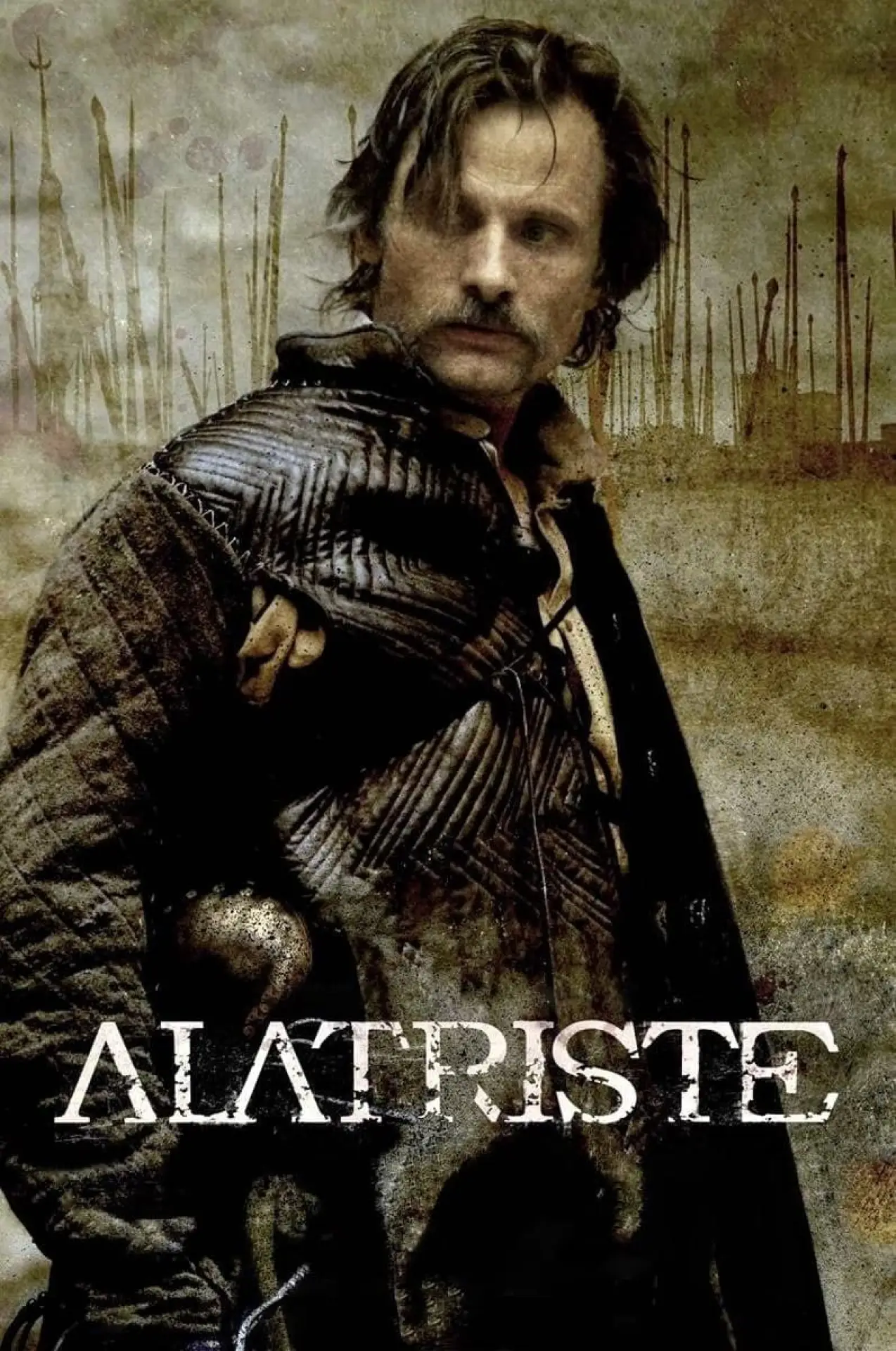
Set in seventeenth-century Spain, Captain Alatriste: The Spanish Musketeer follows Diego Alatriste, a seasoned soldier serving the Spanish crown in the wars in Flanders. When his comrade Balboa is mortally wounded, Alatriste promises to look after the man's son, Íñigo, and to raise him away from the soldier's trade. Back in Madrid, Alatriste earns a living selling his sword, and he and his young charge are drawn into a world of court intrigue, duels and hired blades during the slow decline of the Spanish Empire under Philip IV. The film is based on Arturo Pérez-Reverte's novels about the character.
Agustín Díaz Yanes wrote and directed the film, which was his first time in the director's chair and the earliest of his three features to date, followed by Gold and She Walks in Darkness. Viggo Mortensen plays the title role, with Elena Anaya, Unax Ugalde, Eduard Fernández, Eduardo Noriega and Ariadna Gil among the cast.
Released in 2006, the production carried a budget of about 24 million dollars and took roughly 23 million dollars worldwide. On IMDb it holds a rating of 6.1 from around 15,000 votes, while on TMDB it sits at 5.9 from 262 votes, and a critics' score of 3.2 from six reviews places it below both audience figures.
What's left behind the scenes
- The role of Martín Saldaña was to be played by Antonio Resines, but unfortunately, a few weeks before filming began, the actor was involved in a car accident. He was forced to use crutches for a long time, and a replacement had to be found urgently. As compensation, Antonio Resines was given the opportunity to appear in the film in a small role as a musketeer officer in the final battle.
- Spanish composer Roque Baños wrote the music for the film, however, a fragment of it that was supposed to be heard during the final scene was replaced by a funeral march called “La madruga” written by Colonel Abel Moreno. This march is often used during Easter processions in Spain and was intended to give the scene an atmosphere of suffering, inevitable defeat, and the end of life’s journey. This decision caused considerable dissatisfaction on the part of the composer, although the music he had written was included in the film's soundtrack.
- Leonor Watling was offered one of the roles in the project, but she declined.
- A woman, experienced Spanish actress Blanca Portillo, was invited to play the role of Inquisitor Emilio Bocanegra. This decision caused quite a controversy not so much because it could be considered disrespectful to the church, but because many moviegoers saw no sense in it. The director later admitted that this idea had occurred to him from the very beginning, as he found the role of the “Grand Inquisitor” too cliché and wanted to introduce a fresh, less recognizable element into it. As a result, in the actress's next film, Pedro Almodóvar’s “Volver” (2006), Blanca Portillo was forced to wear very short hair, as it had been cut for this role.
- Several years before the film's release, the project had almost received the green light. Antonio Banderas was to direct and play the main role, with Enrique Urbizu as the screenwriter.
- With a budget of 24 million euros (approximately $30 million at the time), “Captain Alatriste” became the most expensive Spanish film in history. According to the film's director, Agustín Díaz Yanes, this amount was sufficient to shoot the largest European project, although in America it would have been enough for complete nonsense.
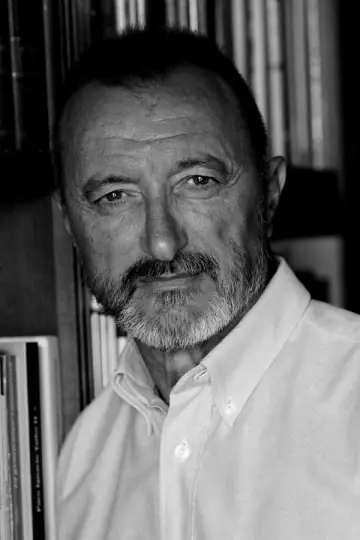
- The film is based on a series of novels by Spanish writer Arturo Pérez-Reverte. The idea of writing books on this topic came to him when he noticed that his daughter Carlota's history textbook devoted only one page to the 16th-17th centuries, a period when Spain was a dominant superpower. Carlota, who was then 12 years old, helped her father with historical research on this period, and the first novel in the Captain Alatriste series, published in 1996, was released with Arturo and Carlota Pérez-Reverte listed as co-authors. By the time the film was released, five novels had been published, and the film included the most notable episodes from each of them. On the other hand, according to the author, the film served as a source of inspiration for his future works in the series.
- Gael García Bernal was initially considered for the role of Inigo Balboa, which ultimately went to Unax Ugalde.
Similar movies











 Auditions in India
 Casting calls in USA
 Castingi w Polsce
 Кастинги в Україні
