The Double Life of Véronique











Short description
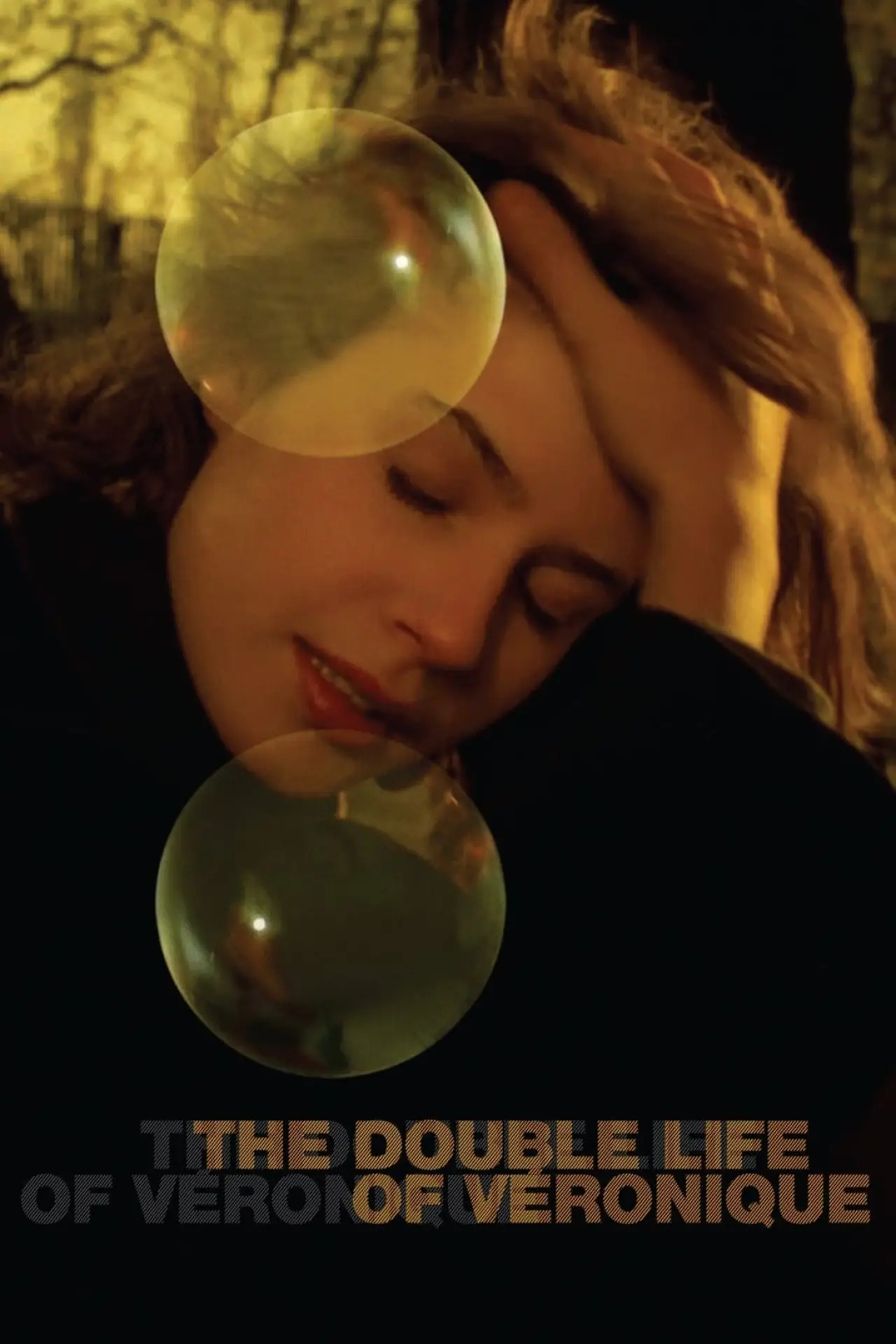
Two young women, one living in Poland and the other in France, share an unmistakable physical likeness despite having no family connection. Both are drawn to music and singing, and both carry a heart condition. Weronika pursues a vocal career in Poland, while Véronique, in Paris, feels an unexplained pull to step back from her own musical path. Their lives run in parallel, and each seems to sense something of the other without ever meeting.
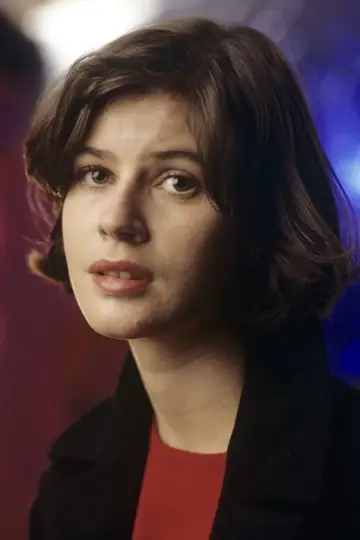
Krzysztof Kieślowski directed and co-wrote the film with Krzysztof Piesiewicz, working from a story about doubles and intuition rather than straightforward cause and effect. Released in 1991, it was the tenth of the thirteen features he directed, arriving after Decalogue VI and before Three Colors: Blue. Irène Jacob plays both central roles, with Philippe Volter as the puppeteer Alexandre Fabbri and Halina Gryglaszewska, Guillaume de Tonquédec, Kalina Jędrusik and Aleksander Bardini among the supporting cast.
The film is a Polish, French and Norwegian co-production, made with Canal+ and other partners. Its worldwide box office came to about two million dollars, modest for a release of its profile. On IMDb it holds 7.6 from roughly 57,000 votes, and on TMDB 7.5 from around 900, while critics' reviews average 7.7. The similarity between the critical and audience scores points to a film that has been received in much the same way on both sides.
What's left behind the scenes
- Initially, Krzysztof Kieślowski wanted to cast American actress Andie MacDowell as Veronique and Italian film director Nanni Moretti as Alexander Faber.
- Kieślowski offered the role of Veronique to Russian actress Natalia Negoda, but she did not know French.
- The role of Veronique was also offered to actress Juliette Binoche, who later landed the lead role in Krzysztof Kieślowski's "Three Colors: Blue," as well as a cameo in "Three Colors: White" and "Three Colors: Red."
- Financial difficulties prevented Kieślowski from realizing a postmodern trick in this film with multiple endings that would vary from cinema to cinema, emphasizing the infinite branching of the tree of fate. In one cinema, the film was planned to end with the scene that ultimately became penultimate: the puppeteer tells Veronique a story about two mysteriously connected lives, in one of which she recognizes her own. Alternatively, Veronique would be sent back to Krakow, accidentally catching the eye of a young singer who resembles both her and the Polish Veronique, thereby expanding the theme of doubling to a 'tripling' and hinting at its potential depth.
Similar movies






 Auditions in India
 Casting calls in USA
 Castingi w Polsce
 Кастинги в Україні
