Tokyo Story


Short description
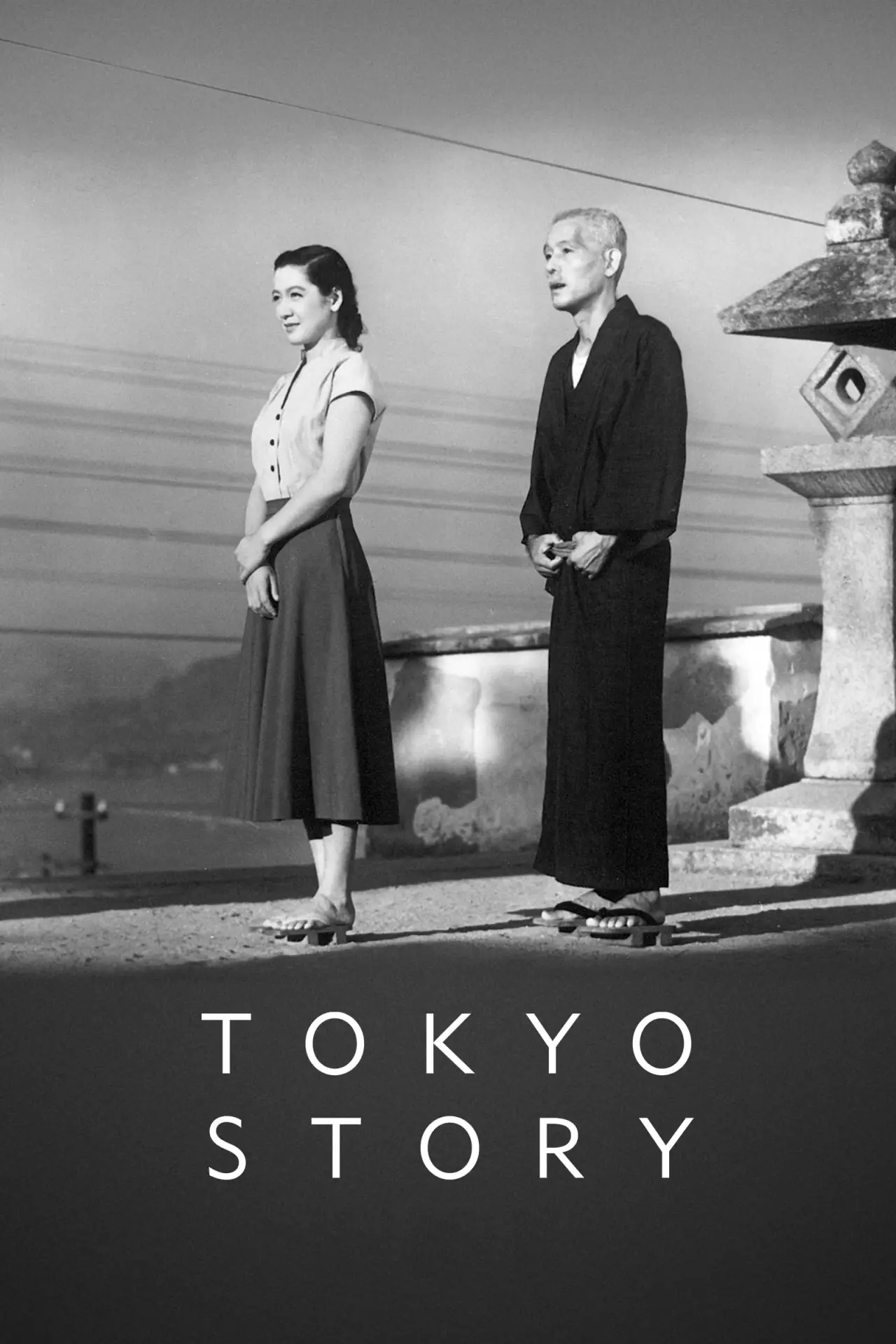
Tokyo Story follows an elderly couple, Shukichi and Tomi Hirayama, who travel from their small seaside town to Tokyo to visit their grown children. Their son Koichi is a doctor and their daughter Shige runs a hairdressing salon, and both are too absorbed in their own busy lives to give their parents much time. With no one else able to look after them, the couple's daughter-in-law Noriko, widow of their son who died in the war, is the one who offers them genuine warmth. The children eventually send their parents away to a seaside resort, and on the journey home Tomi falls seriously ill.
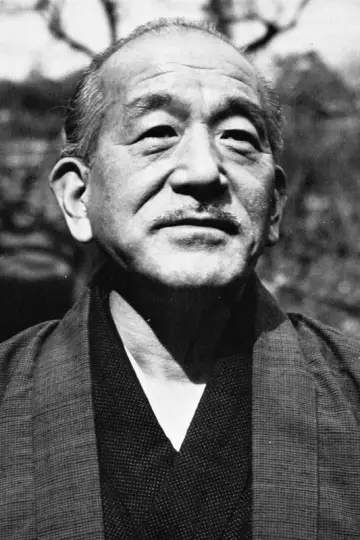
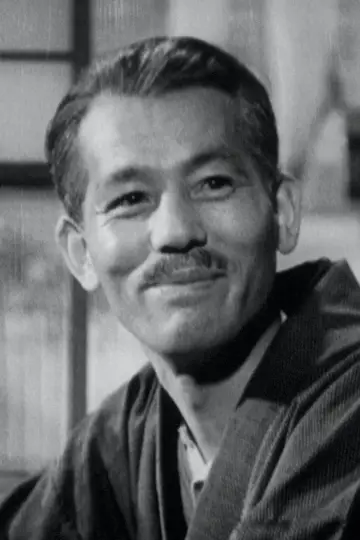
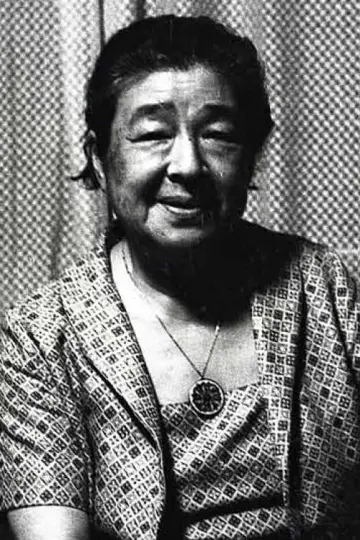
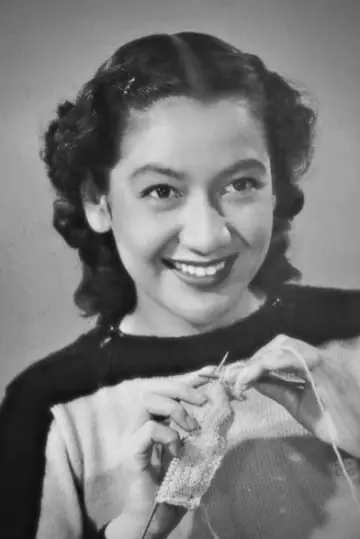
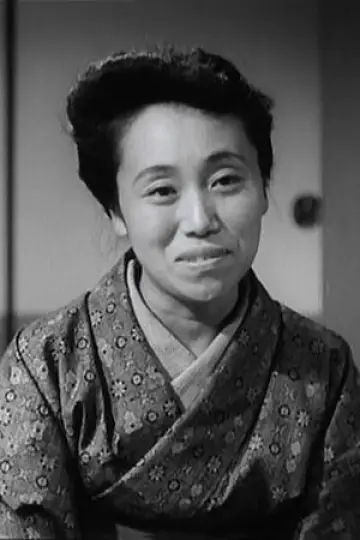
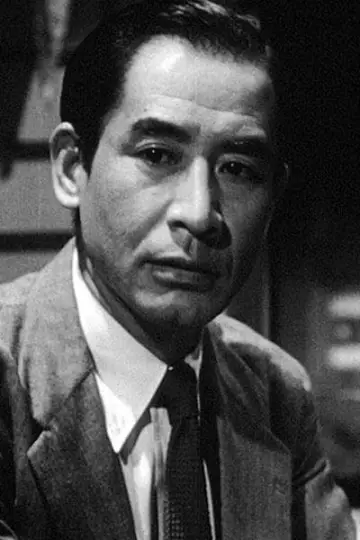
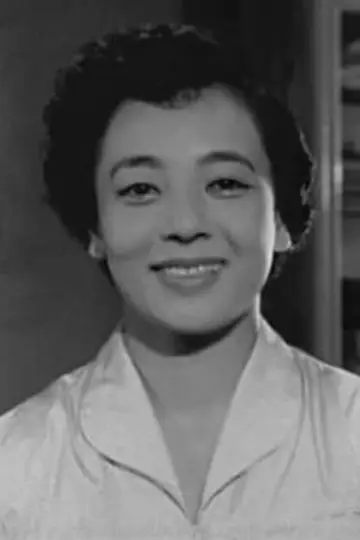
Yasujirō Ozu directed and co-wrote the film with Kōgo Noda, and it was produced by Takeshi Yamamoto for Shochiku. It was released in November 1953 and runs 137 minutes. Chronologically it is the tenth of the sixteen films Ozu directed, arriving after The Flavor of Green Tea Over Rice and before Tokyo Twilight. Chishū Ryū and Chieko Higashiyama play the parents, Setsuko Hara plays Noriko, and Haruko Sugimura and Sō Yamamura appear as Shige and Koichi, among a credited cast of twenty-seven.
The film is widely regarded as a high point of Japanese cinema. On IMDb it holds a rating of 8.1 from around 77,000 votes, and on TMDB it also has 8.1, from roughly 1,264 votes. A critics' rating of 9.7 from 52 reviews places it considerably higher than the audience scores, suggesting a stronger response among professional critics than among general viewers.
What's left behind the scenes
- The film employs a technique known as the 'tatami shot,' where the camera is positioned very low (presumably at the eye level of someone kneeling on a tatami mat) and remains almost stationary. This technique was invented by film director Yasujiro Ozu (1903-1963).







 Auditions in India
 Casting calls in USA
 Castingi w Polsce
 Кастинги в Україні

