A Midsummer Night's Dream



Short description
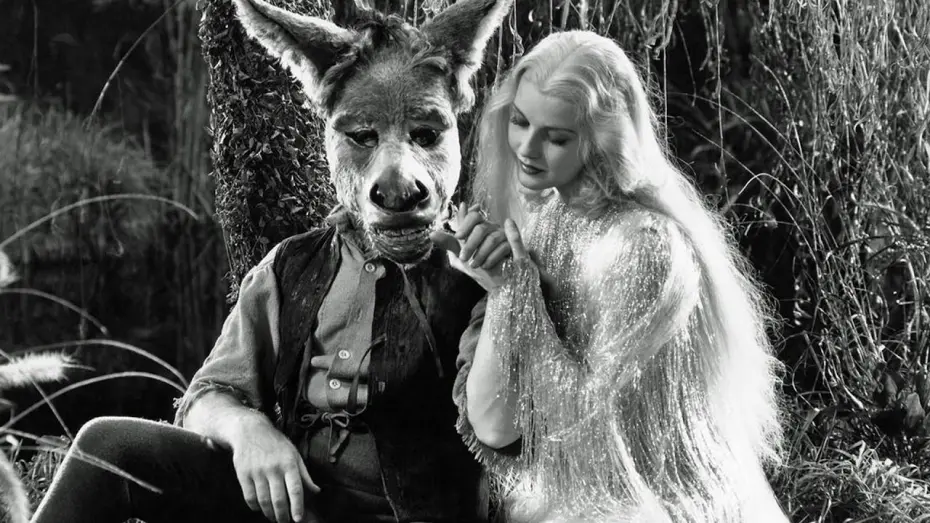
In an adaptation of William Shakespeare's play, Duke Theseus of Athens prepares to marry Hippolyta, queen of the Amazons, while a dispute over a young woman's marriage plans sends four lovers into a nearby forest. There, the fairy king and queen, Oberon and Titania, are quarreling over a child, and a troupe of amateur actors is rehearsing a play for the upcoming wedding. The mischief of the fairy Puck, working with a magic flower, complicates matters for everyone in the woods.
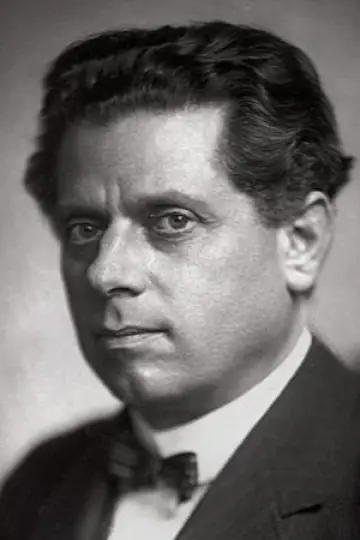
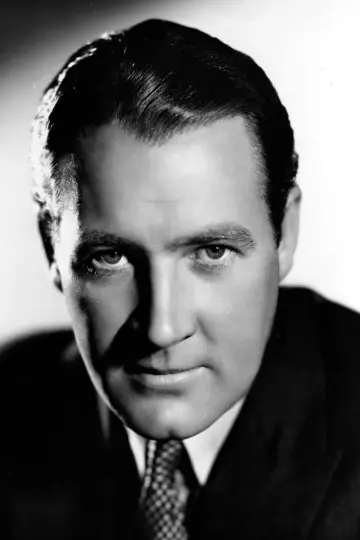
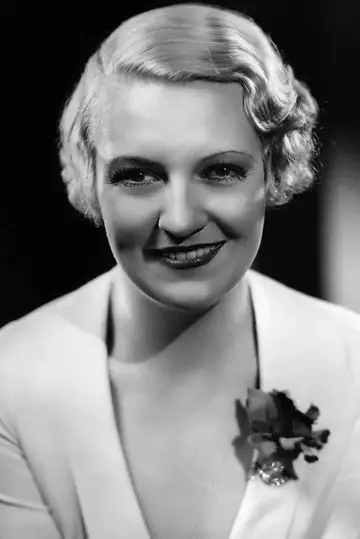
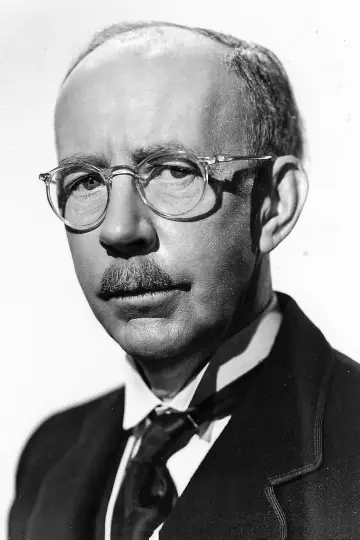
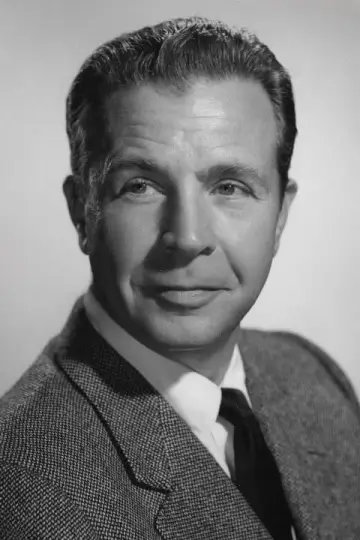
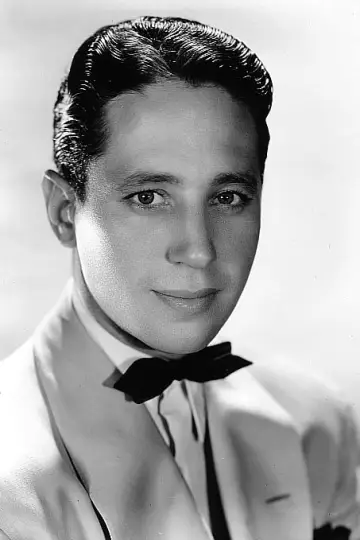
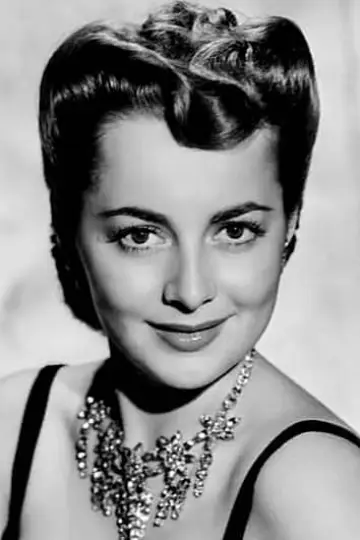
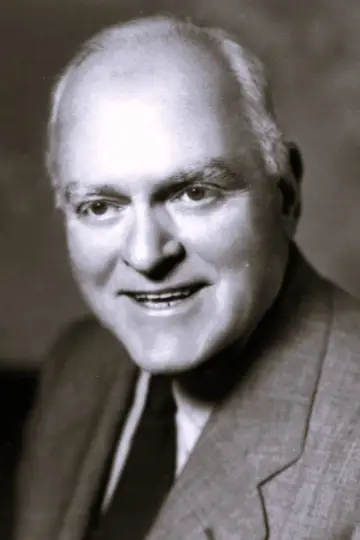
Max Reinhardt and William Dieterle directed the film, which followed Sex in Chains and Jewel Robbery in the directing credits listed for this period. Mary C. McCall, Jr. and Charles Kenyon wrote the screenplay, and Henry Blanke produced it for Warner Bros. Pictures. The cast includes Ian Hunter as Theseus, Verree Teasdale as Hippolyta, Dick Powell as Lysander, Ross Alexander as Demetrius and Olivia de Havilland as Hermia, among 25 credited performers.
The film runs 143 minutes and combines comedy, fantasy and romance. Its worldwide box office reached 25 million dollars. On IMDb the film holds a critics' rating of 7.1 out of 10 from 12 reviews, compared with a TMDB audience rating of 6.4 out of 10 from 52 votes, a difference that suggests reviewers responded more favorably than general viewers did.
What's left behind the scenes
- The film was banned from distribution in Nazi Germany because director Max Reinhardt and composer Felix Mendelssohn were of Jewish nationality.
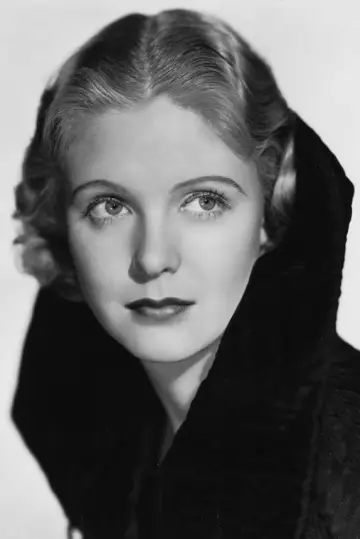
- Olivia de Havilland initially joined the film crew as a stand-in for Gloria Stuart, but received the role due to the actress's illness. Bette Davis was also considered for the role of Hermia.
- Notably, Hal Mohr, the Academy Award-winning cinematographer, did not participate in the actual filming but completed studio work. The following year, the Academy announced it would no longer consider studio cinematography for awards.
- The film was initially released with a runtime of 132 minutes, but was then edited down to 117 minutes. It wasn't until 1994 that the full version was restored, adding an 8-minute overture at the beginning and a 2-minute addition at the end, which were not present in the 1935 release. The music used in the film, in addition to that which Mendelssohn wrote for Shakespeare’s play in 1843, includes excerpts from his other works: “Symphony No. 3 in A minor,” “Songs Without Words,” and “Italian Symphony.”


 Auditions in India
 Casting calls in USA
 Castingi w Polsce
 Кастинги в Україні
