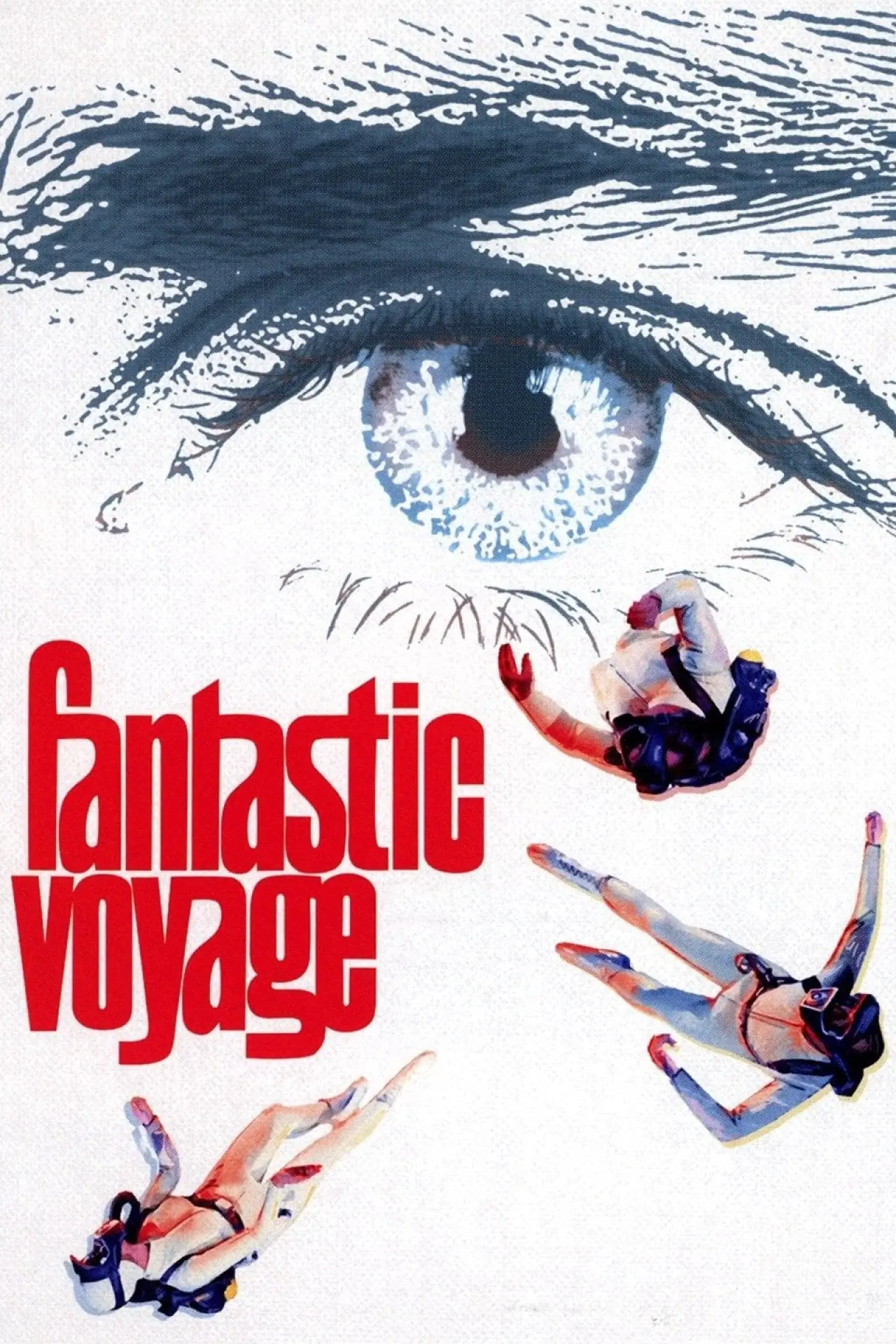
Fantastic Voyage








Short description
A scientist who has defected from behind the Iron Curtain is left comatose after an attempt on his life, suffering from a blood clot in his brain that no ordinary surgery can reach. American officials turn to a daring experimental procedure: a submarine and its crew of medical specialists are reduced to microscopic size and injected into the man's bloodstream, with the mission of destroying the clot from within. The crew has only a limited window before the miniaturization wears off and they return to normal size, and the dangers of the body itself are matched by suspicions that someone aboard is working against the mission.
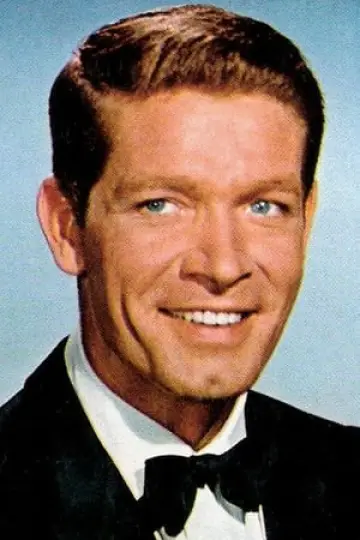
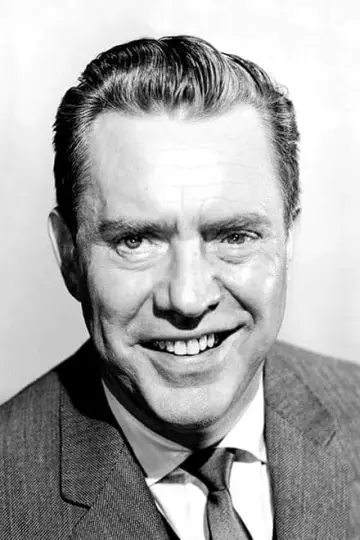
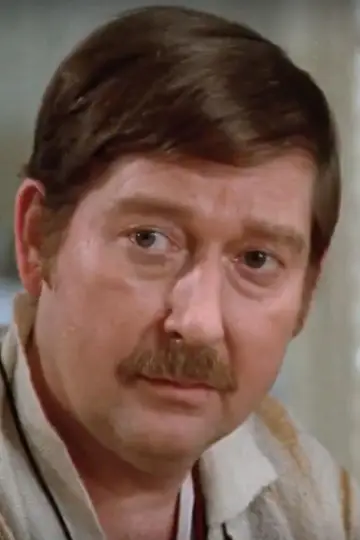
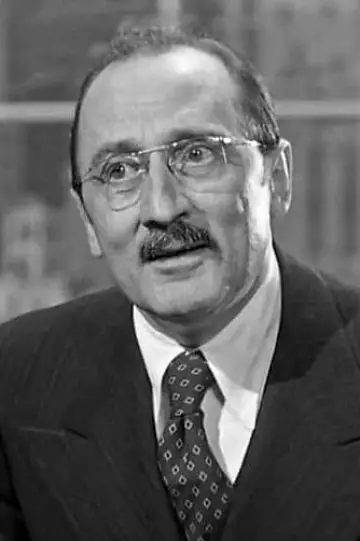
Richard Fleischer directed the film, the ninth of the twenty-three features listed in his filmography, arriving between Barabbas and Doctor Dolittle. Harry Kleiner wrote the screenplay and Saul David produced it for 20th Century Fox. Stephen Boyd leads the cast as Grant, alongside Raquel Welch as Cora, Edmond O'Brien as General Carter and Donald Pleasence as Dr. Michaels, with Arthur O'Connell and William Redfield also appearing.
Released in August 1966, the film cost about 5 million dollars and took roughly 12 million worldwide. On IMDb it holds 6.8 from around 23,000 votes, on TMDB 6.7 from over 500 votes, while a critics' rating of 6.9 from 35 reviews places professional and audience assessments close together.
What's left behind the scenes
- When filming the scene where the main characters peel antibodies off Raquel Welch's heroine, director Richard Fleischer (1916-2006) ordered the actors to peel off all the "antibodies" they could find. Being gentlemen, they began to avoid the "antibodies" located on the actress’s chest. Fleischer noticed this and told the actors to shoot another take, and this time all the actors eagerly reached for the actress’s chest. Eventually, Fleischer realized that the scene would have to be carefully rehearsed and planned, with each actor peeling off specific things from the actress at a specific moment and in a specific order. This take, with the actors' movements rehearsed in advance, made it into the film.
- The scenes where the characters are extracted from the submarine and swim were filmed in pavilions where the actors were suspended on cables. To create the impression for the viewer that they are watching the characters swim, overcoming environmental resistance, these scenes were filmed at an increased speed and then reproduced at a normal rate.
- Isaac Asimov (1920-1992) was asked to write a novel based on the screenplay. The writer read the screenplay and stated that it had too many “plot holes.” After receiving permission to write the novel as he saw fit, he got to work, and considering the delays in filming and the speed at which Asimov worked, the novel was published even before the film.








 Auditions in India
 Casting calls in USA
 Castingi w Polsce
 Кастинги в Україні

