Trouble at Timpetill






Short description
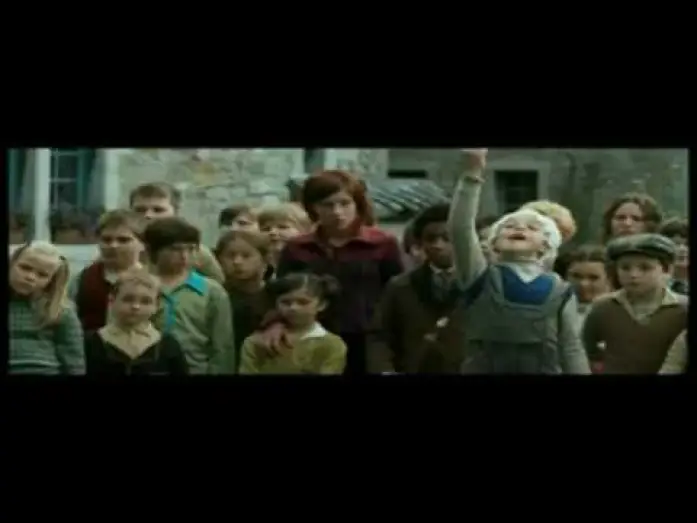
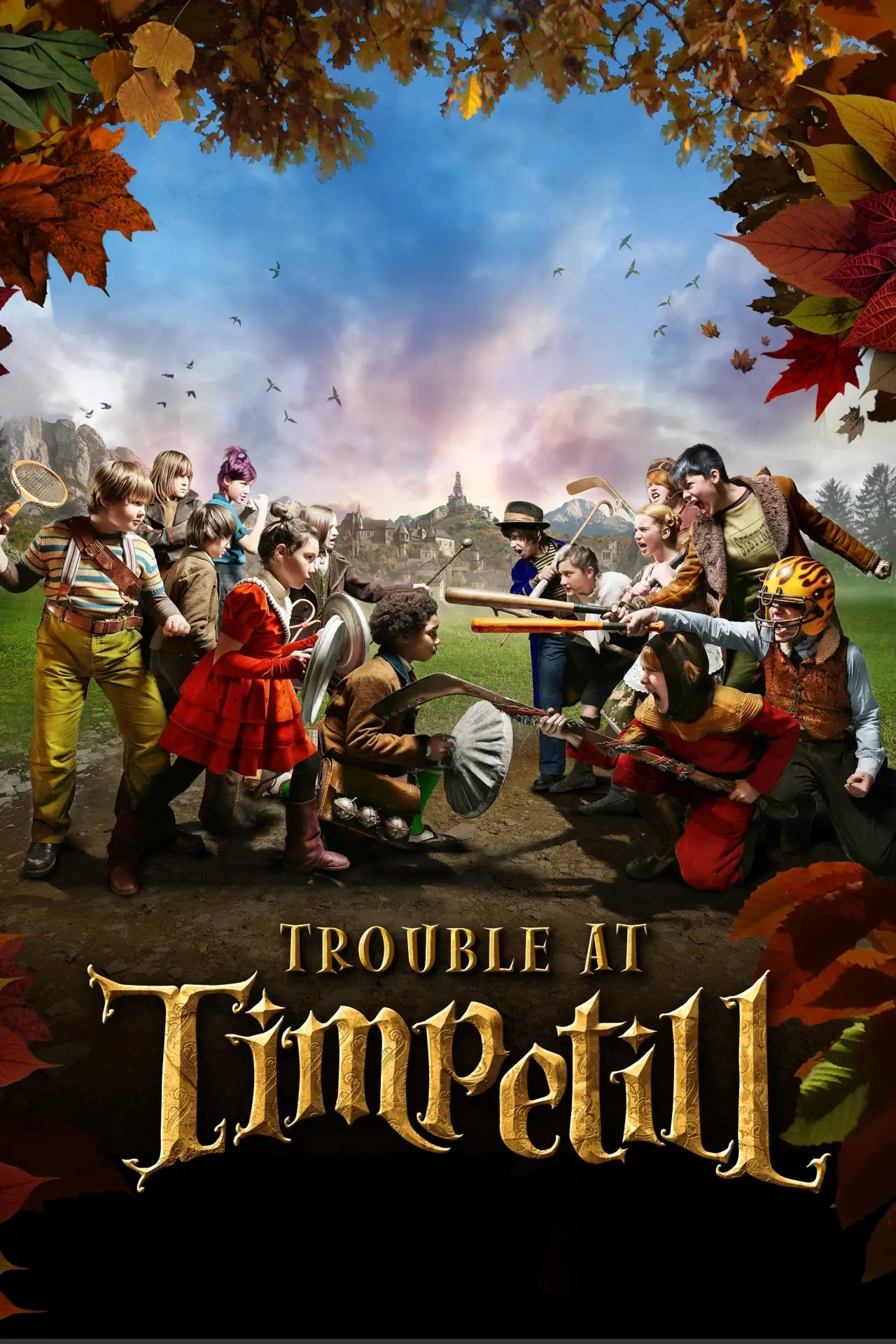
In a small European mountain village called Timpelbach, the local children have become increasingly undisciplined. To teach them a lesson, the adults decide to leave the village for a short period, leaving the children to govern themselves. However, the absence of parents leads to a power struggle as the youth divide into two opposing factions. While some enjoy the lack of authority, others attempt to maintain order, and the children soon discover that managing the community on their own is more difficult than they anticipated.
Directed by Nicolas Bary, this adventure film is a co-production between Belgium, Luxembourg, and France. The cast features Raphaël Katz, Adèle Exarchopoulos, and Léo Legrand, alongside Carole Bouquet, Gérard Depardieu, and Armelle. The production involved a credited crew of 41 and a cast of 38.
Financially, the film did not perform well, earning 6 million USD at the worldwide box office against a budget of 13 million USD. Audience reception was mixed, with a rating of 5.8/10 from ,1200 votes on IMDb and a slightly higher score of 6.1/10 from 397 votes on TMDB.
What's left behind the scenes
- The film is based on the eponymous children's book by German writer Henry Winterfeld, "Timpetill – the town without parents", which was first published in Switzerland in 1937. The book, in turn, was based on a story that the future writer devised in 1933 for his son Thomas, who was ill with scarlet fever and confined to bed for a long time. He told it in short installments each day during his illness. In French translation, this book is known as "The Children from Timpelbach".
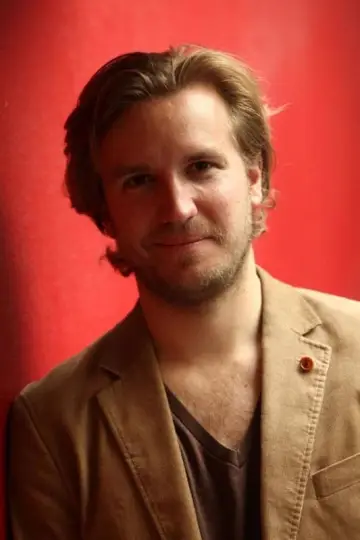
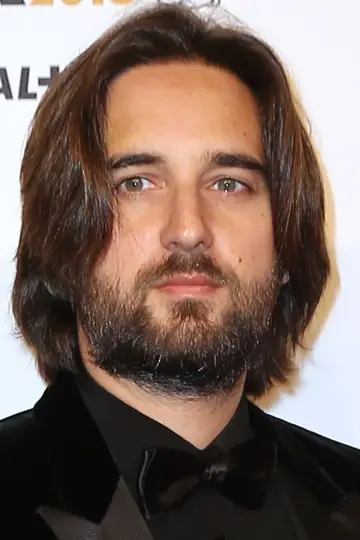
- Future film director Nicolas Berry read Henry Winterfield's book as a child at the age of nine. Three years later, he reread the story, imagining the possibility of sharing the adventures of his favorite characters in the future. Obsessed with the idea of adapting the book for the screen, he observed school productions, interned with film crews, and shot two short films, one of which was directly inspired by 'The Children of Timpelbach'. Seeking to obtain the film rights from the author's heirs, Nicolas Berry contacted producer Dmitry Rassama, with whom he began developing the project, which took four years.
- As is often the case with projects nurtured for many years, Nicolas Berry began working on the screenplay even before meeting Dmitry Rassama and acquiring the rights to the book. However, this 'zero' version of the script was deemed unsatisfactory by its author. The producer suggested Nicolas Pefelly as his partner, who had just finished his work on the screenplay for the crime drama 'A Prophet' (2009). The creative collaboration of the writing duo lasted eighteen months, during which they met continuously every two or three days.
- When approaching the casting for the children's roles, director Nicolas Berry initially wanted to invite exclusively children with no acting experience. His intention was to achieve maximum naturalness and realism. However, he quickly had to abandon this idea. The meticulous director compiled a set of cards, each containing the most detailed information about the young character (psychological profile, distinguishing features, attachments, and status in the village). This greatly helped him directly during the casting of actors for the key roles.
- Dreaming of filming his movie on location rather than in a studio, director Nicolas Berry carefully worked out all the visual aspects of the small village, the main setting of the story, in advance. The search for a suitable location began in Alsace, France, but all the local villages seemed too modern to him. The next target was to be the Aveyron department in southern France, but at that moment news came of an upcoming co-production with Belgium and Luxembourg. It was in these two countries that most of the film was shot.
- A new series of searches for a suitable filming location in Belgium also yielded no results for a long time. The producers, completely desperate, were already ready to agree to studio filming when, by pure chance, they were advised to pay attention to a Walloon village in southern Belgium, where another film was being shot. Once there, director Nicolas Berry fell in love with it at first sight. The fortified village of the seventeenth century was often used for various medieval festivals and was ideal for all the director's purposes.
- Since the film is set in an undefined time period, costume designer Patrick Le Breton mixed modern elements with fashion elements from the 10-30s of the 20th century in the characters' clothing. He also carefully monitored the casting for children's roles to ensure that each actor's clothing reflected their personal qualities and those of their character.
Similar movies






 Auditions in India
 Casting calls in USA
 Castingi w Polsce
 Кастинги в Україні
