I Am a Fugitive from a Chain Gang
Six sticks of dynamite that blasted his way to freedom … and awoke America’s conscience!
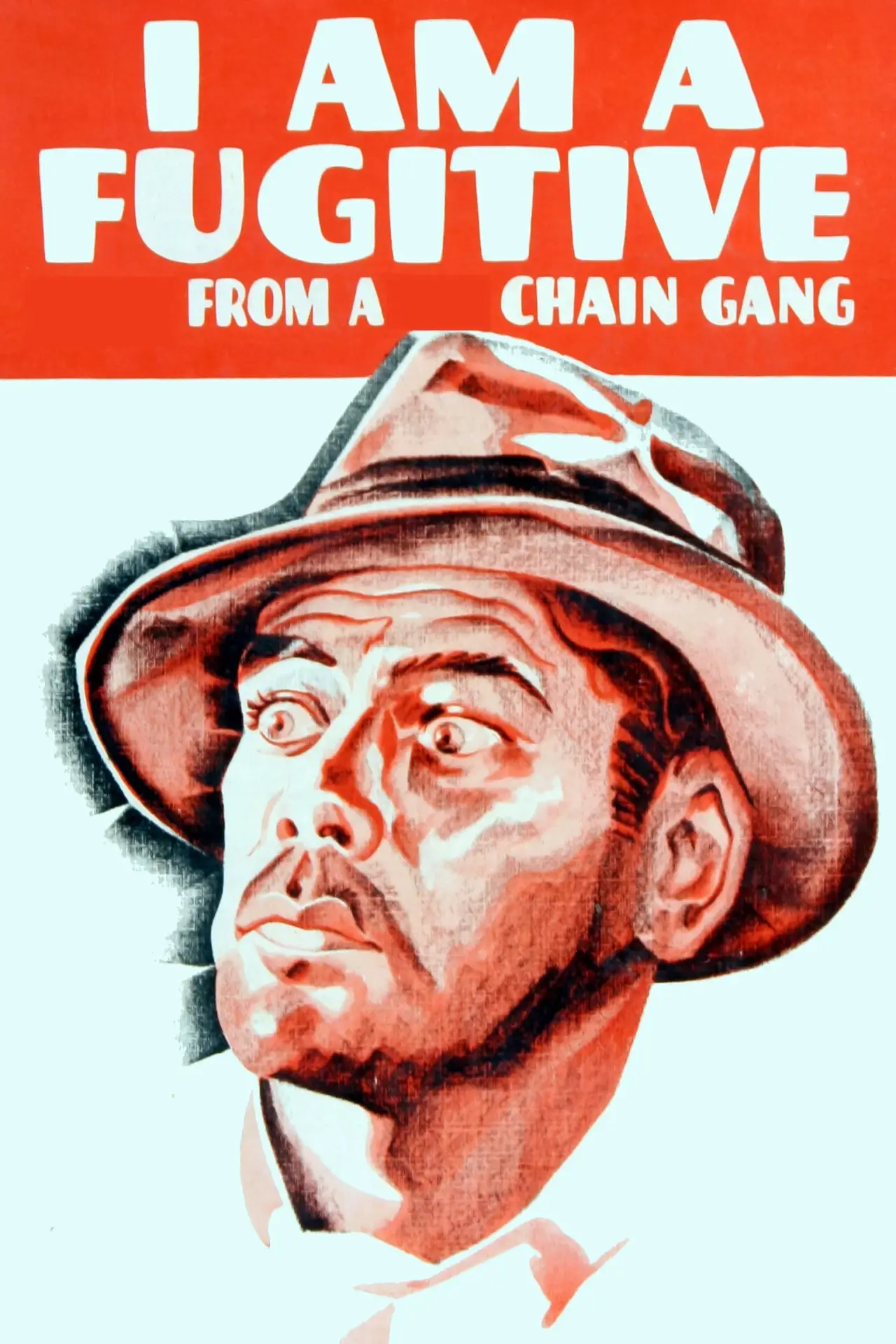
I Am a Fugitive from a Chain Gang (1932)


Production
Budget
$195 845
Director
Scenario
Robert E. Burns
Author
Composer
Producer
Actors
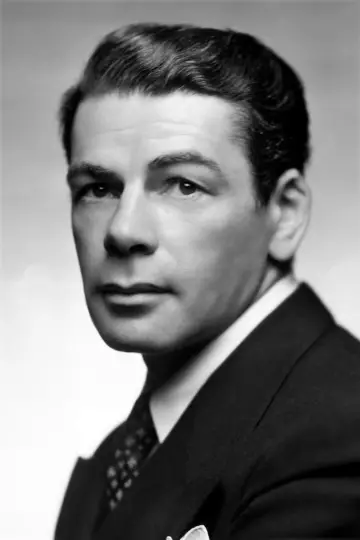
Paul Muni
James Allen

Glenda Farrell
Marie Woods

Helen Vinson
Helen

Noel Francis
Linda

Preston Foster
Pete

Allen Jenkins
Barney Sykes
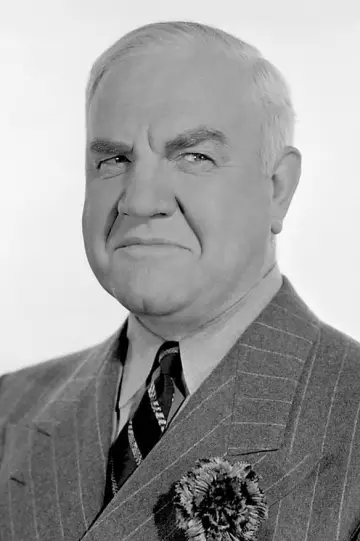
Berton Churchill
The Judge
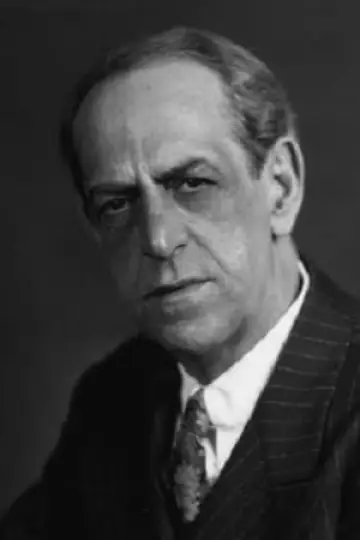
Edward Ellis
Bomber Wells
Short description
A World War I veteran’s dreams of becoming a master architect evaporate in the cold light of economic realities. Things get even worse when he’s falsely convicted of a crime and sent to work on a chain gang.
What's left behind the scenes
- Paul Muni refused to use a stunt double for the quarry scenes. The heat was so intense and the sun so bright that everyone on the film crew saw spots, and some even suffered burns.
- When Paul Muni was informed that he had been cast in the film, he booked a cabin on a liner to travel to Los Angeles. The voyage took 13 days, and he spent most of that time in his cabin memorizing his lines.
- The film was released in Soviet cinemas under the title 'Escape from Penal Servitude'.
- The film is based on the true story of Robert E. Barnes (1892-1955) and reflects actual facts with two exceptions. Barnes did indeed steal 5 dollars and 29 cents to buy food, and he ultimately achieved his goal of evading justice in the state of Georgia thanks to the help of three New Jersey governors. Barnes did make it to Hollywood and spent several weeks participating in the production of the film, but the tension and risk proved too great, and he returned to New Jersey, where he felt safe. The release of the film helped end the inhumane practice of chaining multiple prisoners together in Georgia. Warner Bros. took a significant risk with this movie because Hollywood films of that period generally avoided social commentary. Nevertheless, the film became a box office success and was praised by critics, establishing Warner Bros.' reputation as a studio that did not shy away from raising pressing social issues. The state of Georgia is never mentioned by name in the film, yet several lawsuits were filed against the creators, the film itself was banned in Georgia, and the studio owner and director received threats stating that if they ever set foot in Georgia, they would experience firsthand the very 'social injustice' they denounced in the film.
- The film sparked a heated public debate, which eventually led to the pardon of the main character, despite the fact that he was a fugitive at the time of the film's release.
- Paul Muni (1895-1967) met and spoke with Robert E. Barnes several times in Burbank, California, to ensure he could portray him as accurately as possible on screen. Additionally, Muni requested that the relevant department at Warner Bros. find all existing books and magazine articles on the penitentiary system. Muni also specifically met with several retired guards from California prisons. He wanted to meet with a guard who was still on active duty, but the studio management did not approve of the idea.







 Auditions in India
 Casting calls in USA
 Castingi w Polsce
 Кастинги в Україні

