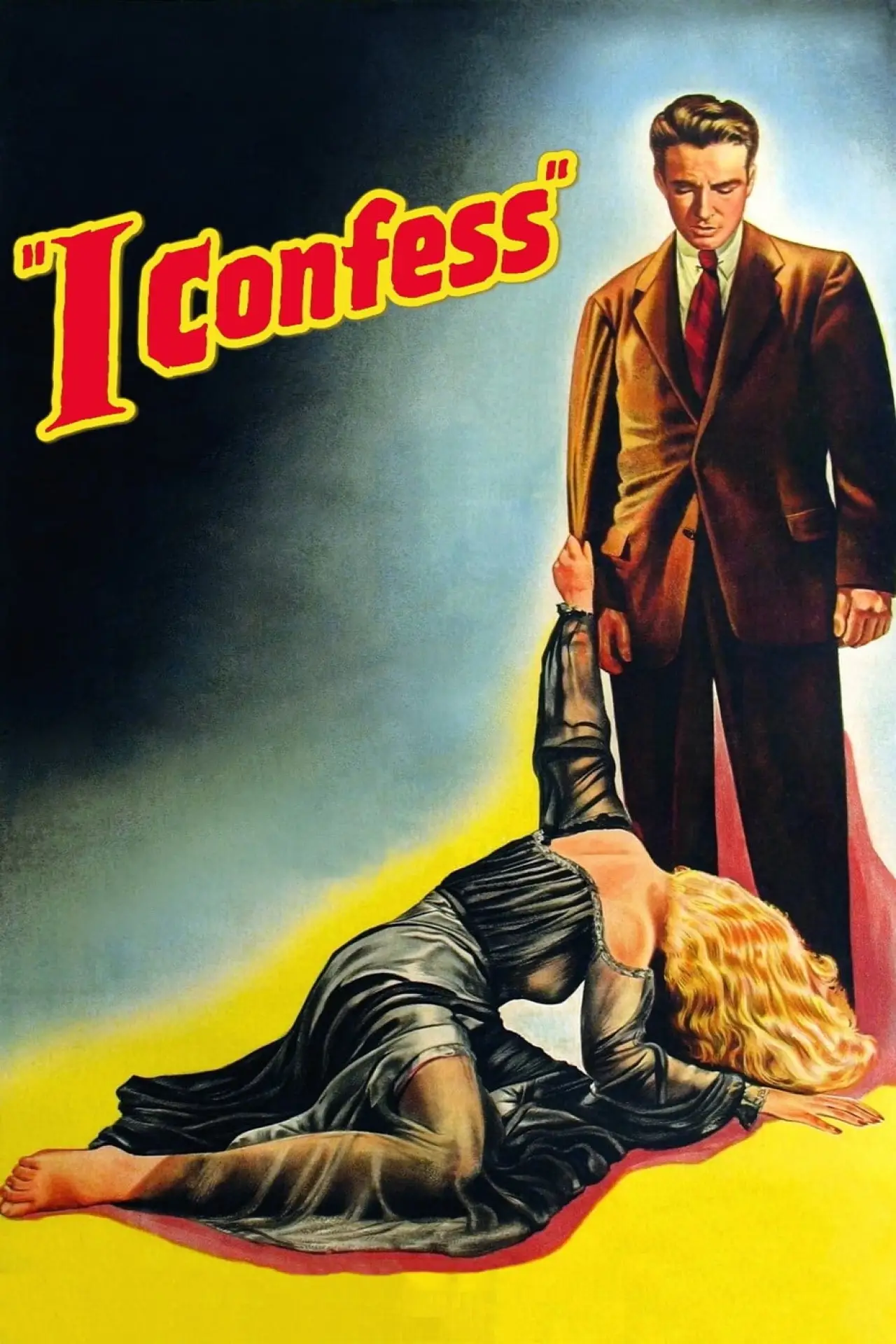
I Confess





Short description
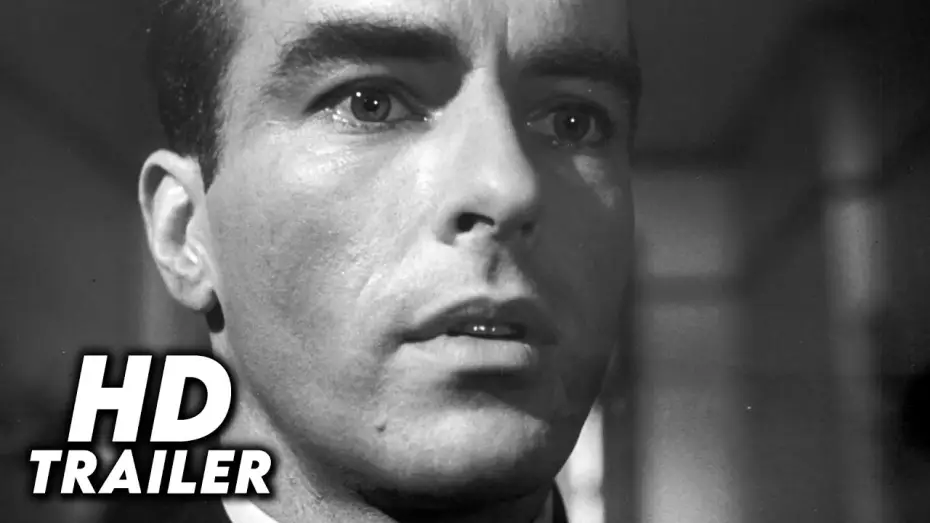
In Quebec, a man in a priest's cassock carries out a robbery and a killing, then confesses what he has done to Father Michael Logan. Bound by the seal of confession, the priest cannot repeat what he was told, even after the circumstantial evidence and witness testimony begin to point at him. As the investigation closes in and a trial approaches, he must weigh his vows against the scandal and punishment threatening him, while a figure from his past complicates his position further.
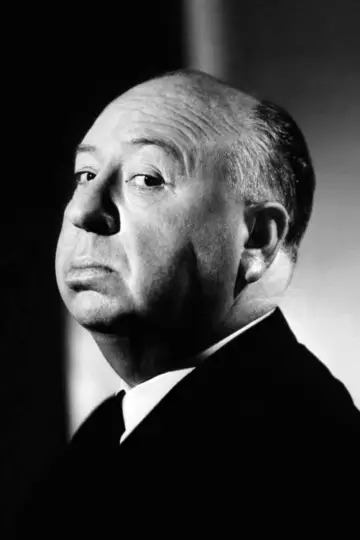
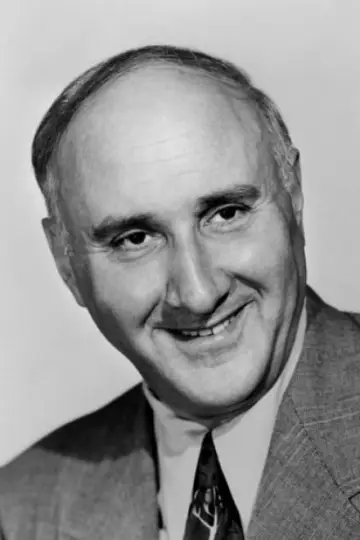
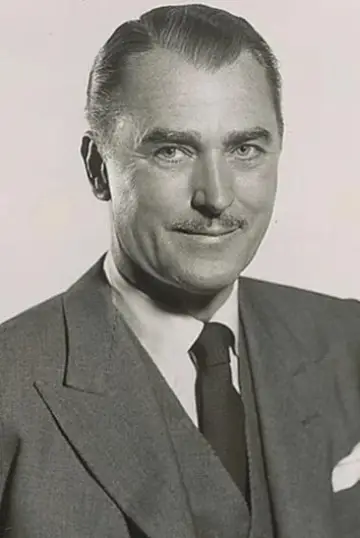
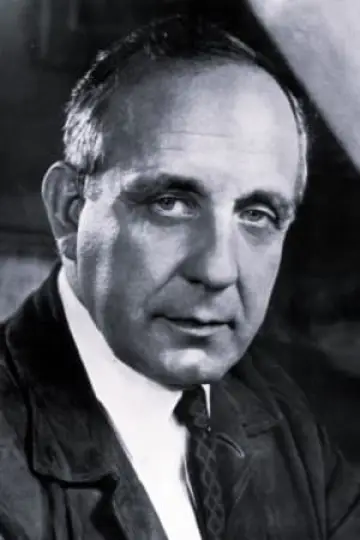
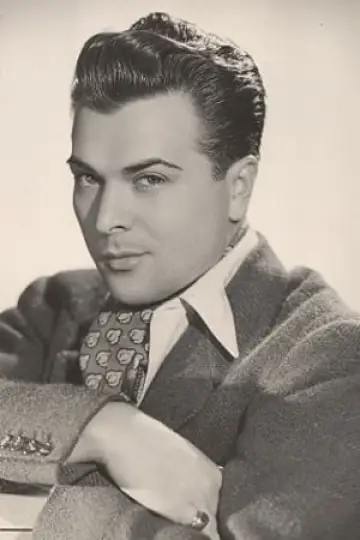
Alfred Hitchcock directed and produced the film, working from a screenplay by William Archibald and George Tabori. It is the twenty-seventh of the forty-three features he directed, following Strangers on a Train and preceding Rear Window. Montgomery Clift plays Father Logan, with Anne Baxter as Ruth Grandfort, Karl Malden as Inspector Larrue and O.E. Hasse as Otto Keller. Transatlantic Pictures and Warner Bros. Pictures were behind the production.
On TMDB the film holds a 7.1 rating from around 500 votes, and critics give it 7 out of 10 across 31 reviews, so the two measures sit close together. Made in the United States and running 95 minutes, it combines crime, drama and thriller elements.
What's left behind the scenes
- As Logan (Montgomery Clift) walks past the cinema, the poster displays the film 'The Enforcer' (1951).
- Hitchcock's cameo – he walks across the upper landing of a staircase during the opening credits.
- In the play, the priest was hanged, but censors demanded that no priest be harmed in the film.
- As always, Alfred Hitchcock (1899-1980) created a detailed storyboard for every scene. Montgomery Clift (1920-1966) acted using the Stanislavski system, which Hitchcock completely misunderstood; consequently, he became angry with the actor when Clift began to botch take after take instead of following the director's instructions.
- Alfred Hitchcock was so impressed by Anita Björk's (1923–2012) performance in Alf Sjöberg's (1903–1980) drama "Miss Julie" (1951) that he invited her to star in this film. However, the actress arrived in Hollywood accompanied by her lover, Stig Dagerman (1923–1954), and their baby daughter. Since Björk and Dagerman were not married, the studio caused a stir and forced Hitchcock to cast another actress in the role. That actress was Anne Baxter (1923–1985).
- Montgomery Clift struggled with alcohol abuse, and this is evident from his glazed expression, at least in the ferry scene. Hitchcock refused to tolerate this and ordered his assistant director and actor Karl Malden (1912–2009) to have a talk with Clift.
- Censorship in Quebec came as a blow to Alfred Hitchcock. He had no grievances with the city administration, the church authorities, or the residents, and he even delivered a speech before the film's premiere in Quebec, which was attended by the cast. During the screening, however, he was horrified to discover that, by order of the Catholic Church, 2 minutes and 33 seconds had been cut from the film—primarily the night scenes in the house and a kiss. After the premiere, Hitchcock left immediately and vowed never to set foot in Quebec again.
- While preparing for filming, Montgomery Clift spent a week living in a monastery in Quebec. He even befriended one of the monks and frequently turned to him for advice during production.
- The atmosphere on set left much to be desired and was tense, as Montgomery Clift categorically demanded that Maria Rostova, his acting coach, be present nearby at all times. It soon became clear to Hitchcock that Clift was listening to Rostova, not him. This situation also displeased Karl Malden, who was also in the film and was generally friends with Clift; after filming scenes together, Malden could not get a single word out of Clift regarding his performance or how it might have been played better. This was because, as soon as a take was finished, Clift would immediately turn to Rostova and wait for her evaluation.
- The original play told the story of the life of Albert Bruno's father, born in 1861, who actually existed. He was a dissolute clergyman who frequently visited local brothels and was suspected of several thefts, as well as of setting fire to his own house to collect insurance. In 1894, he was accused of murdering another clergyman. Bruno insisted on his innocence, but he was executed a year later.




 Auditions in India
 Casting calls in USA
 Castingi w Polsce
 Кастинги в Україні

