The Last Laugh



Short description
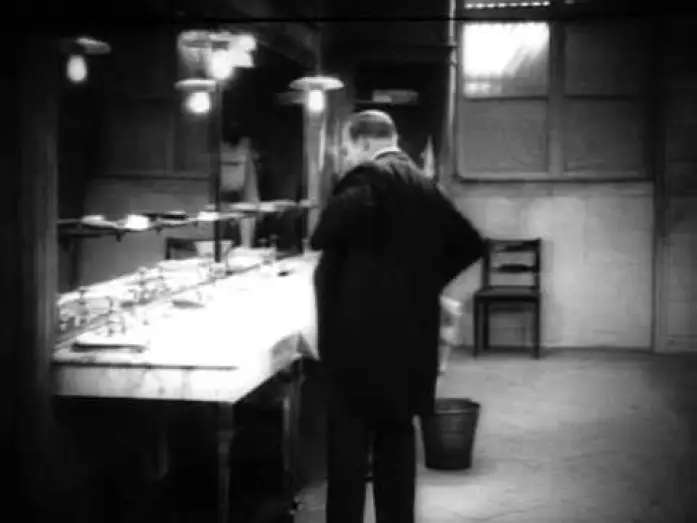
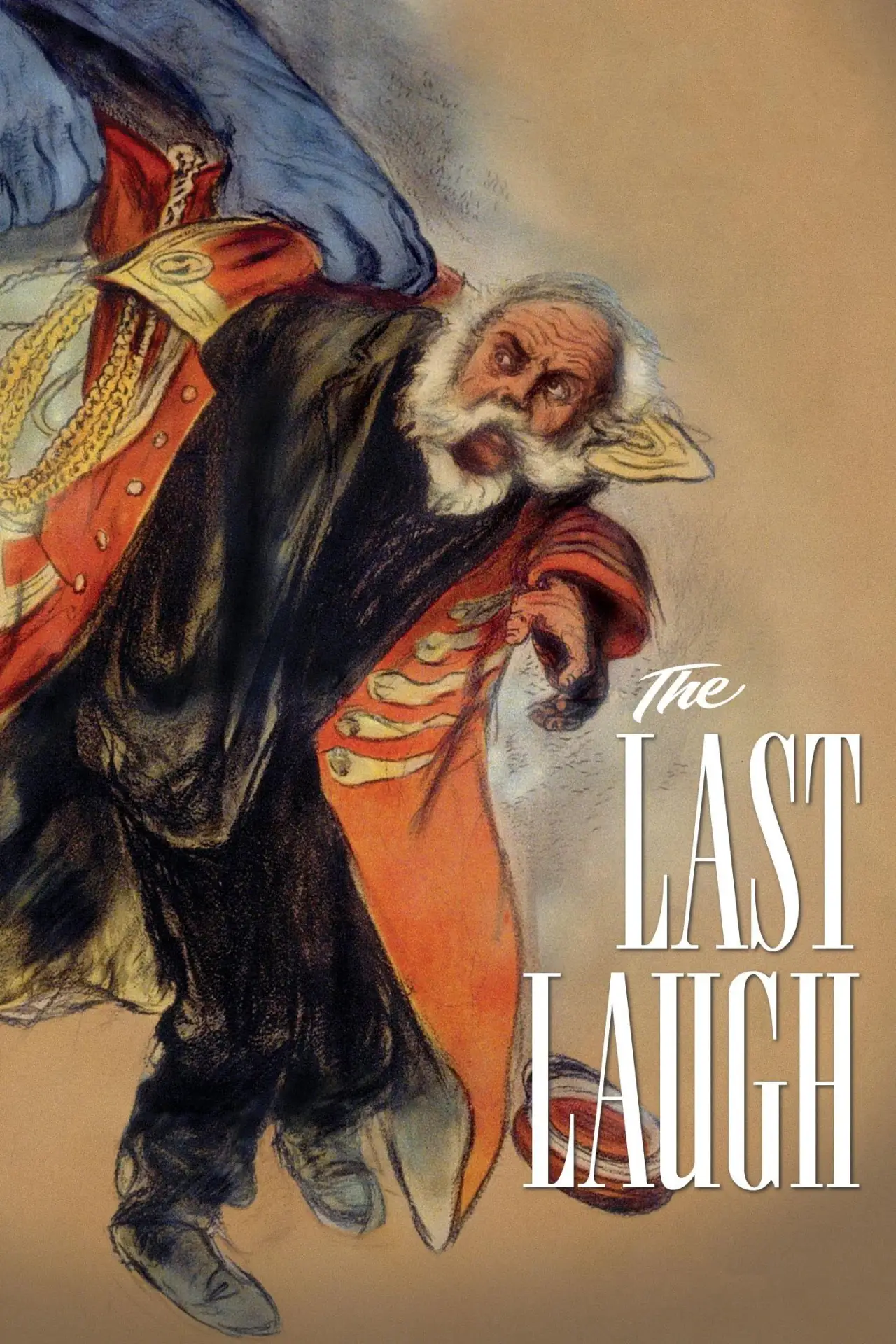
The Last Laugh is a German silent drama about an aging doorman at a grand hotel. His position is a source of pride: the uniform marks him out as someone important, and in his own neighbourhood he is respected and envied for it. When the hotel manager decides that the heavy work has become too much for a man of his years, the doorman is stripped of his post and reassigned to the lavatories. Unable to admit the demotion to those around him, he tries to keep up appearances, and his standing among friends, neighbours and relatives slowly collapses.
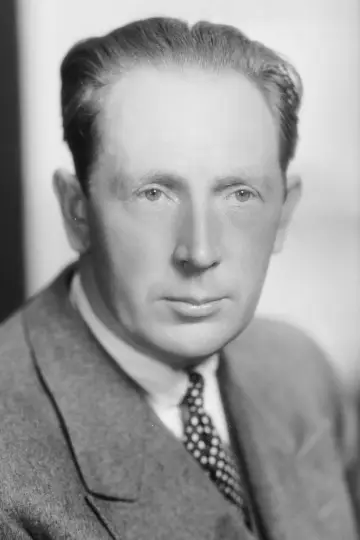
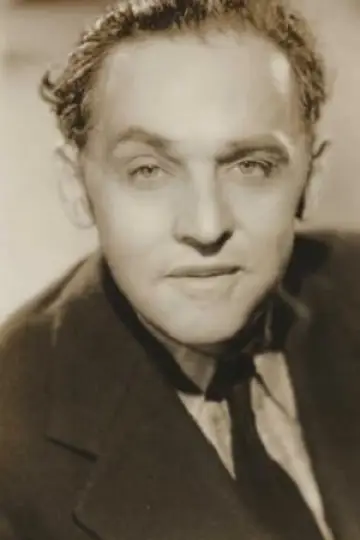
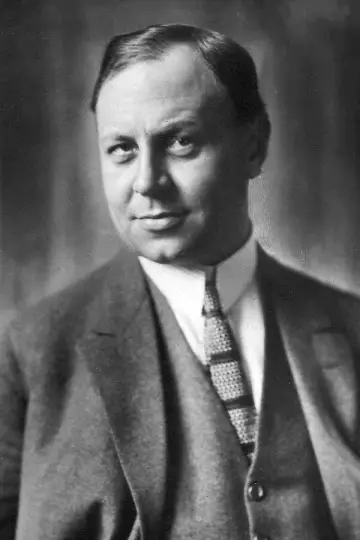
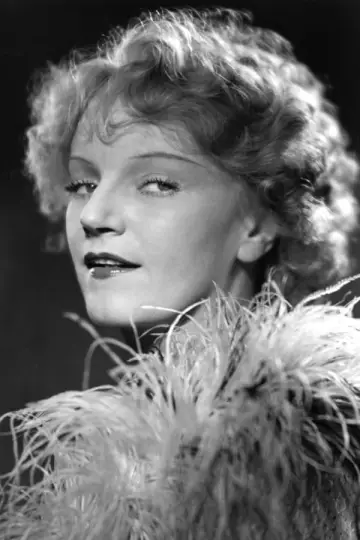
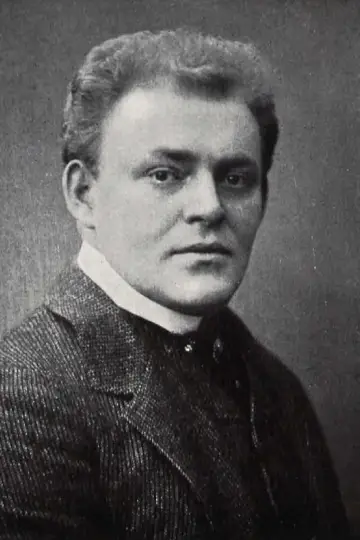
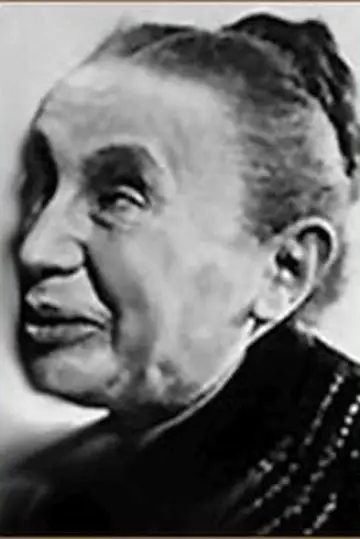
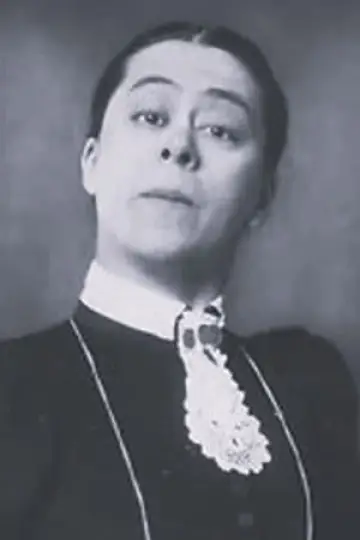
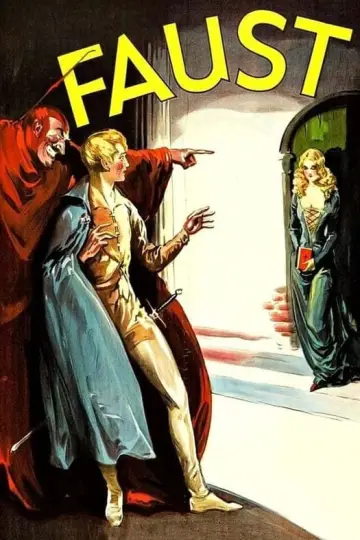
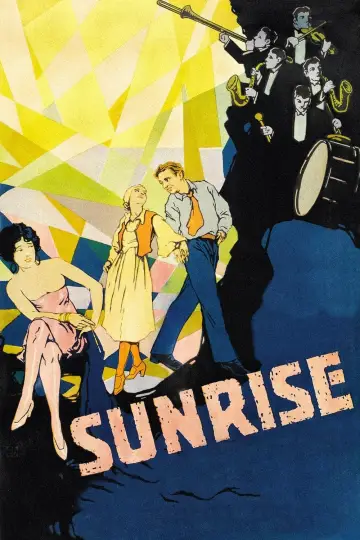
F. W. Murnau directed the film, working from a screenplay by Carl Mayer, with Erich Pommer producing for UFA. It followed Murnau's Nosferatu by two years and stands third in the six features listed for him, ahead of Faust, Sunrise and others. Emil Jannings plays the doorman, heading a cast that includes Maly Delschaft, Max Hiller, Hans Unterkircher, Hermann Vallentin and Emilie Kurz. Running about ninety minutes, the film is told largely through images and movement rather than intertitles.
The film is widely seen as one of the high points of German silent cinema. On IMDb it holds 8 out of 10 from around 16,000 votes, while on TMDB it sits at 7.8 from roughly 370 votes, and a critics' rating of 9.3 from thirty reviews places it markedly higher than either audience figure.
What's left behind the scenes
- The English title “The Last Laugh” was dictated by the fact that a film titled “The Last Man” already existed, and “laugh” was chosen at the insistence of UFA representatives.
- Karl Freund's cinematography is replete with experimental techniques, many of which were used for the first time (for example, a sliding, unsteady camera showing the world through the eyes of a drunken doorman).
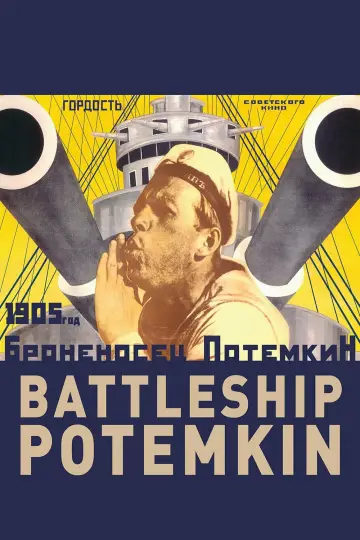
- The film was released in the Soviet Union under the title "The Man and the Livery."
Similar movies




 Auditions in India
 Casting calls in USA
 Castingi w Polsce
 Кастинги в Україні
