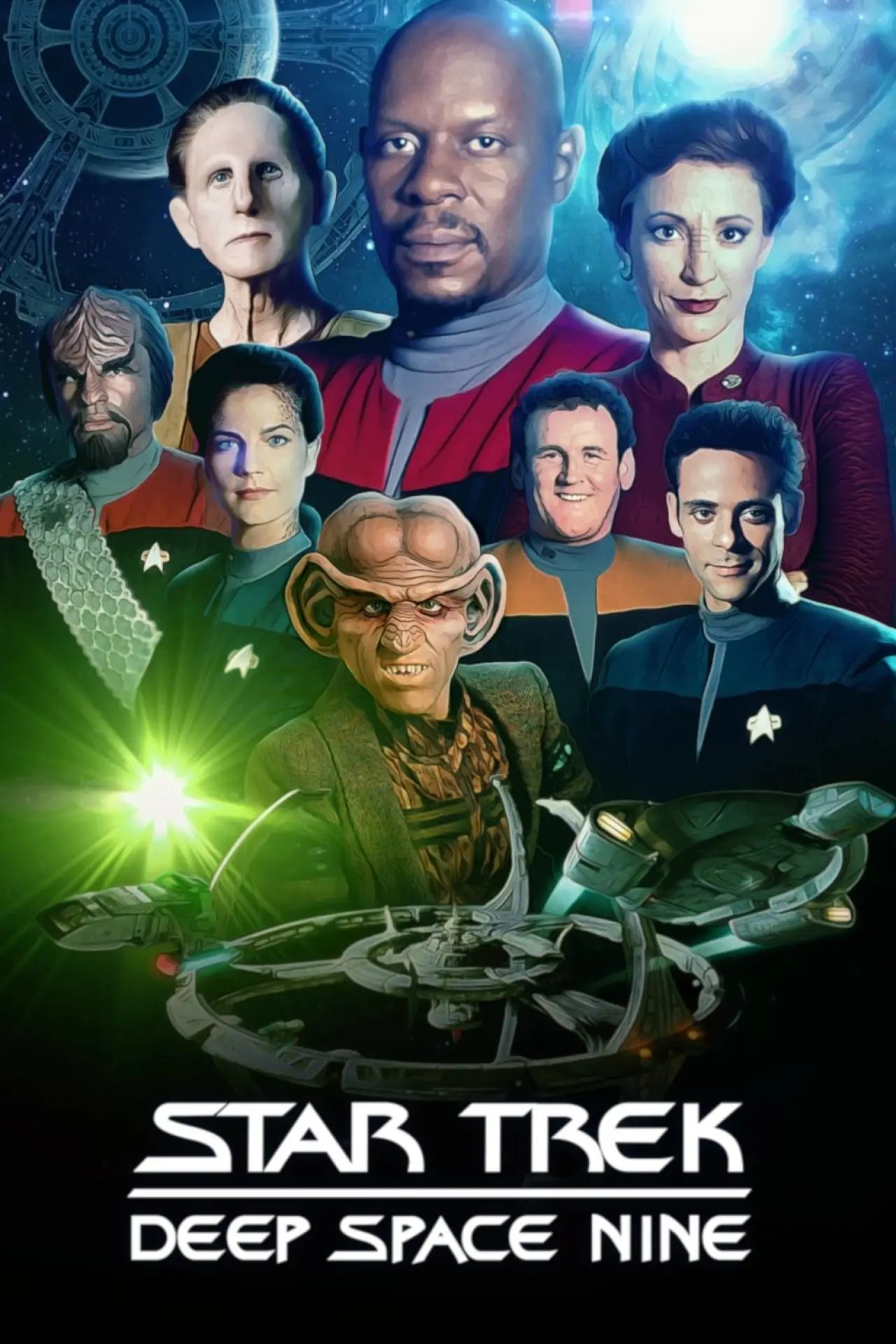
Star Trek: Deep Space Nine
At the edge of the Final Frontier, the Universe's greatest mystery is about to unfold.
Star Trek: Deep Space Nine (1993-1999)
Seasons: 7,
episodes: 173
Episode runtime: 45 min
Average rating:
8.1/10
81 797



Production
Status
Completed
Creators
Scenario
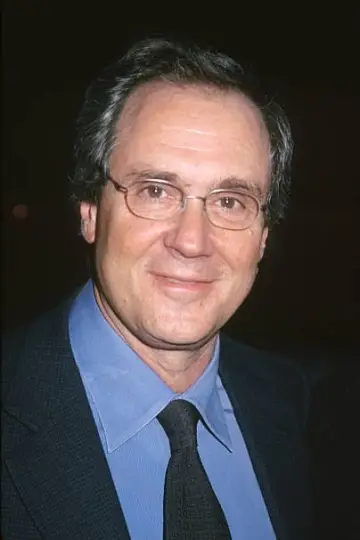
Ira Steven Behr
Author
Producer
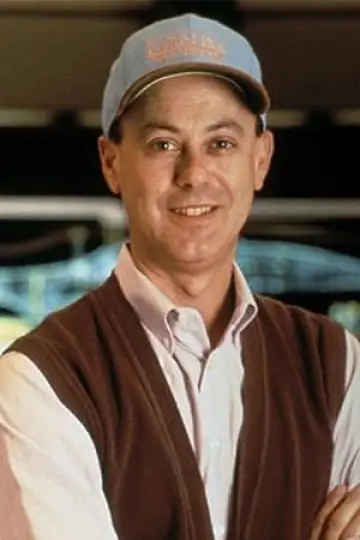
Michael Piller
Actors
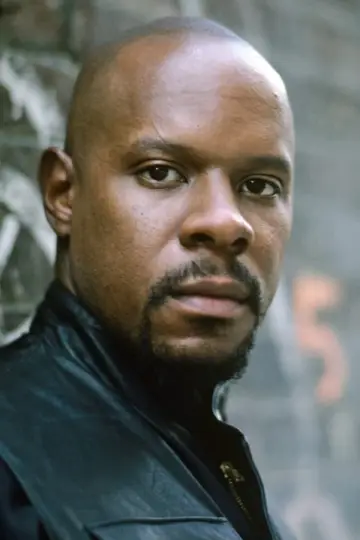
Avery Brooks
Benjamin Sisko
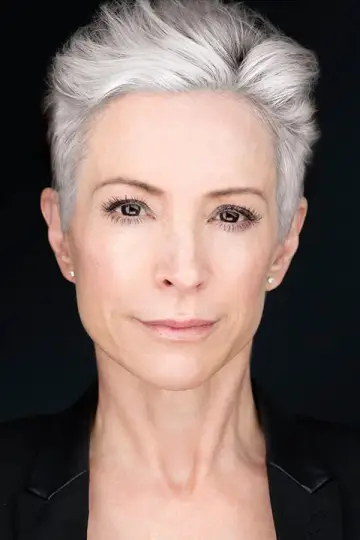
Nana Visitor
Kira Nerys
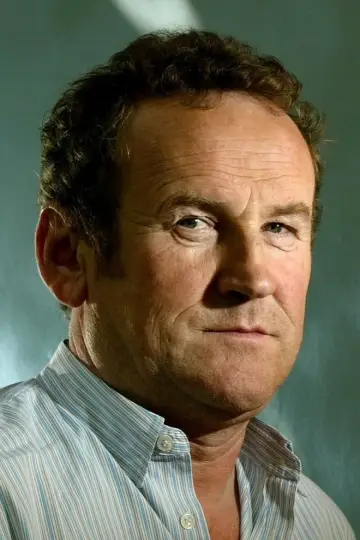
Colm Meaney
Miles O'Brien
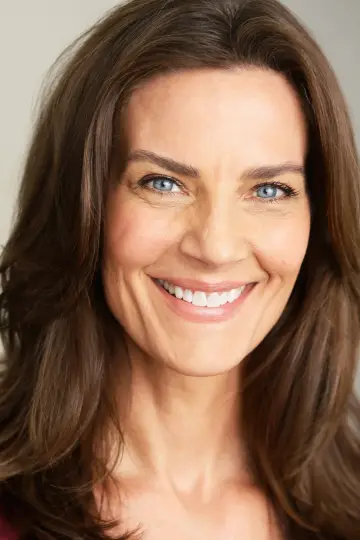
Terry Farrell
Jadzia Dax
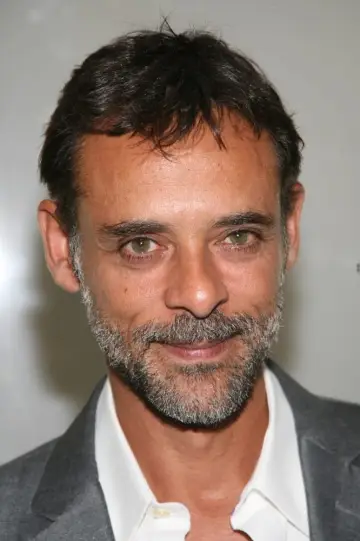
Alexander Siddig
Julian Bashir
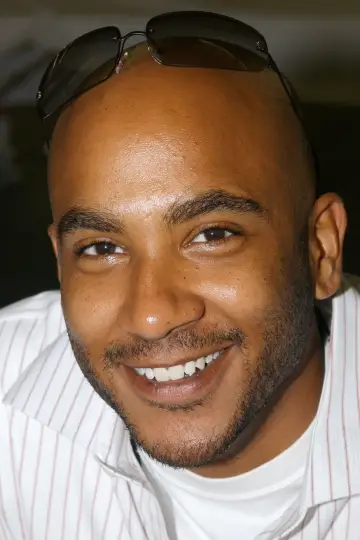
Cirroc Lofton
Jake Sisko
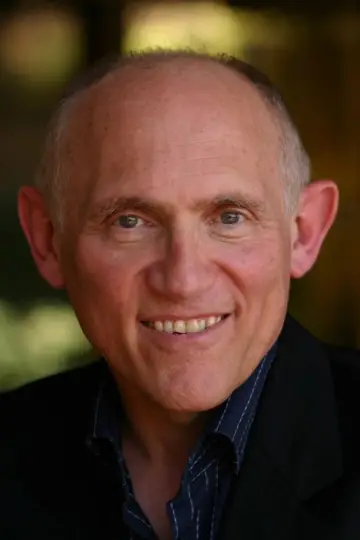
Armin Shimerman
Quark
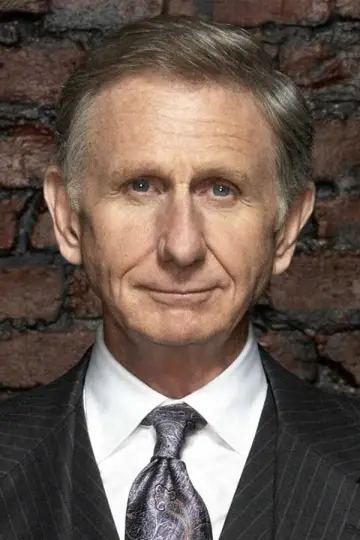
Short description
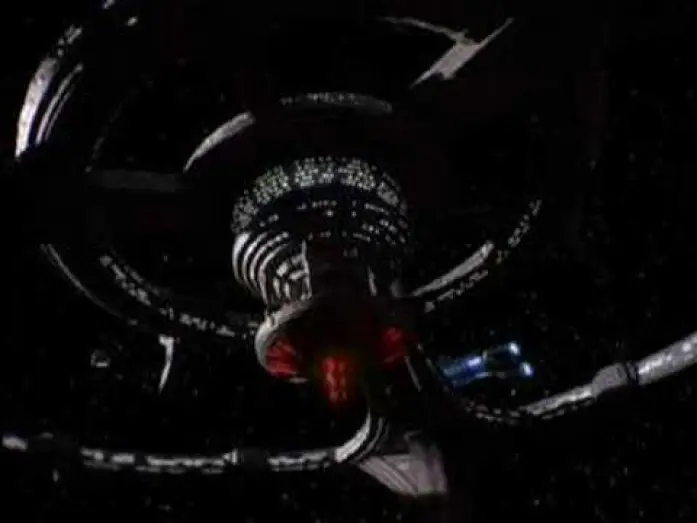
At Deep Space Nine, a space station located next to a wormhole in the vicinity of the liberated planet of Bajor, Commander Sisko and crew welcome alien visitors, root out evildoers and solve all types of unexpected problems that come their way.
Seasons
| Season | Episodes | Release date | Rating |
|---|---|---|---|
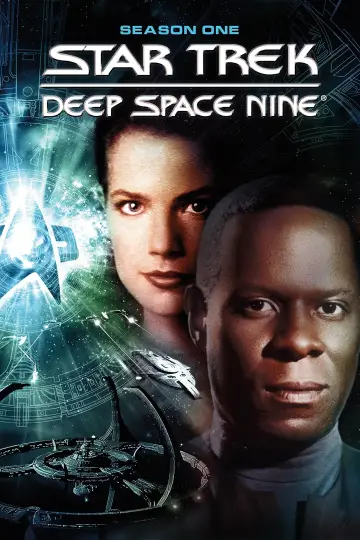
Season 1 The Provisional Government of Bajor invites Starfleet to help them rebuild after the Cardassian Occupation. Commander Benjamin Sisko is selected to take command of their space station, formerly known as Terok Nor that is then designated by Starfleet as Deep Space 9. As part of the agreement betwe…
|
19 | 1993-01-03 | 6.7 |
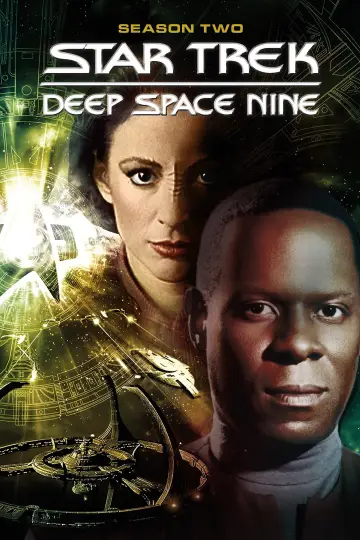
Season 2 In their second year together, the crew of Deep Space 9 face problems that will affect the galaxy forever. A Bajoran extremist group attempts to force the Federation out of the Bajoran system. The Cardassians are secretly supplying them with weapons, hoping to return to reclaim the planet and hol…
|
26 | 1993-09-26 | 7 |
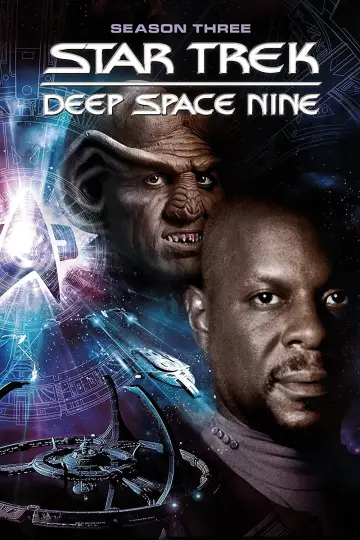
Season 3 Season 3 of Deep Space Nine marks a turning point for the series, as it introduces the USS Defiant, a powerful starship that allows the crew to explore the Gamma Quadrant and face the threat of the Dominion, a vast and ruthless empire ruled by the shape-shifting Founders.
|
26 | 1994-09-26 | 7.1 |
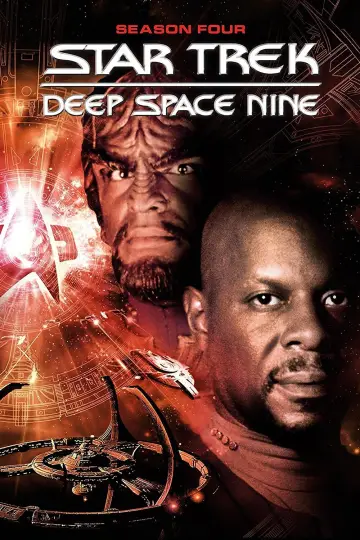
Season 4 Season 4 of Deep Space Nine marks a major shift for the series, as it introduces a new conflict between the Federation and the Klingon Empire, sparked by the latter's distrust of the shape-shifting Founders. Worf, the former security chief of the USS Enterprise-D, joins the station's crew as Sisk…
|
25 | 1995-10-02 | 7.2 |
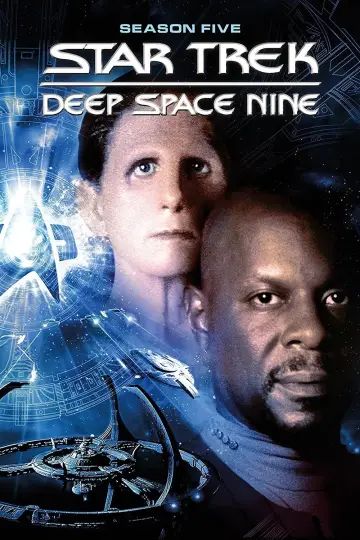
Season 5 Season 5 of Deep Space Nine begins the Dominion War arc that will dominate the rest of the show. The Federation and its allies face a new enemy in the form of the Cardassian-Dominion alliance, which threatens to conquer the Alpha Quadrant.
|
26 | 1996-09-30 | 7.3 |
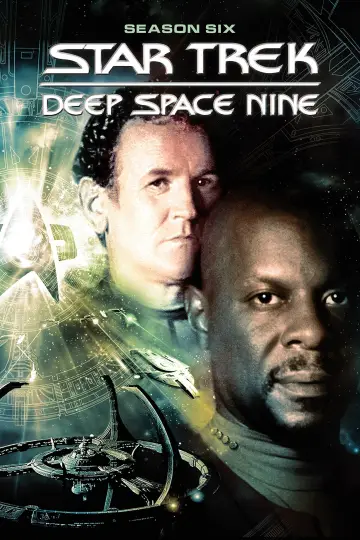
Season 6 Season 6 of Deep Space Nine marks the height of the Dominion War arc, as it depicts the Federation and its allies in a desperate struggle against the Cardassian-Dominion alliance, which has occupied Deep Space Nine and the Bajoran system.
|
26 | 1997-09-29 | 7.3 |
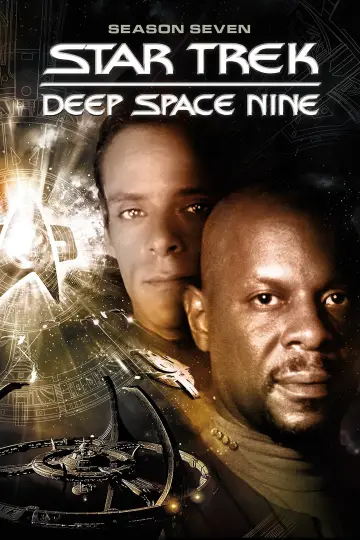
Season 7 Season 7 of Deep Space Nine marks the end of the series, as it concludes the Dominion War arc and the saga of the characters and their relationships. The Federation and its allies face the final showdown with the Cardassian-Dominion alliance, which is aided by the Breen. Sisko and his crew must a…
|
25 | 1998-09-30 | 7.2 |
What's left behind the scenes
- One of the last candidates for the role of Captain Sisko rejected by the series creators was actor Gary Graham, known for his part in the television series 'Alien Nation' (1989-1990). Graham would later play the Vulcan ambassador Soval in the series 'Star Trek: Enterprise' (Rick Berman and Brannon Braga, 2001-2005).
- Actors Carl Weathers and Eric La Salle auditioned for the role of Captain Benjamin Sisko. The series creators offered the part to James Earl Jones and Tony Todd, but both declined the offer to play Sisko. Todd first appeared as Kurn, Worf's younger brother, in 'Star Trek: The Next Generation' (1987-1994). In 'Star Trek: Deep Space Nine' (1993-1999), he appeared in two episodes of the 4th season: as an aged Jake Sisko in the episode 'Visitor' (1995) and as Kurn in the episode 'Sons of Mogh' (1996).
- The only series in the 'Star Trek' franchise where none of the main characters are human women (Kira Nerys is a representative of the planet Bajor, and Jadzia Dax represents the Trill civilization). Cassidy Yates and Keiko O'Brien are the only human women who appear periodically in the series, but they are supporting characters.
- It was initially intended to change the shape of Jadzia Dax's forehead, as representatives of the Trill civilization were first shown in the episode "The Host" of the series "Star Trek: The Next Generation" (1987-1994), which premiered on May 13, 1991. During screen tests, however, it was decided that the actress playing the role, Terry Farrell, was too beautiful to spoil her face with special prosthetics. Instead, small spots were applied to the edges of her forehead using makeup. This was done personally by makeup artist Michael Westmore. The makeup process took over an hour. It is known that Westmore "signed" his work—making one spot in the shape of the letter "M" and another in the shape of the letter "W." Since then, all Trills have been made up in this manner, without the prosthetics used in "Star Trek: The Next Generation." The difference in the appearance of this alien race was never explained to the viewers.
- The role of Jadzia Dax was initially offered to Famke Janssen. It was her makeup in the episode "The Perfect Mate" (1992) of the series "Star Trek: The Next Generation" that inspired the creators of "Star Trek: Deep Space 9" to use makeup rather than head-shaping prosthetics for the Trill race. Janssen turned down the role, preferring feature films over the series.
- The creators of the series were inspired by the work of author John le Carré, and particularly his novel 'The Spy Who Came in from the Cold' (1974), when creating the character Elim Garak, a former deep-cover agent for an alien intelligence service who retrained as a tailor.
- Terry Farrell left the project after her contract expired. The show's creators decided that the actress had demanded too much for a one-season contract extension. Farrell later stated that she would have happily appeared in several episodes of the 7th season, but as her contract neared its end at the close of the 6th season, her character was killed off.
- In the film 'Star Trek VI: The Undiscovered Country' (Nicholas Meyer, 1991), René Aubertjonoi played the role of Colonel West, one of the conspirators involved in the assassination of the Klingon Chancellor Gorkon.
- Terry Farrell became the only main cast member across all elements of the 'Star Trek' franchise whose character never appeared on screen again after their death. Leonard Nimoy's Spock was resurrected, and Denise Crosby's Tasha Yar appeared in flashbacks and alternate universes. Additionally, the actress played Tasha Yar's grown daughter.
- Initially, it was intended for Jadzia Dax to be a representative of a race from a low-gravity planet, so that she would move around the Deep Space 9 station in a wheelchair and float through her quarters. This concept had to be abandoned because the wires used to make the character fly in her cabin were visible on screen, despite all the tricks of the special effects specialists. The idea was used as much as possible only in the episode 'Melora' of the second season, which premiered on October 31, 1993.
- In the first three seasons of 'Star Trek: Deep Space 9', Kevin Grevier plays an unnamed security officer. It is only through the official 'Star Trek' tabletop game by Decipher Inc. that he is revealed to be named Taylor Moore.
- Robert Patrick was considered for the role of the shapeshifter Odo, but it was decided that he would remind viewers too much of the Terminator from the film 'Terminator 2: Judgment Day' (James Cameron, 1991).
- "Space Shopping Mall" was the working title of the series. It was changed to "Star Trek: Deep Space 9" only after the filming of the first three episodes was completed. At that time, a scrolling ticker was added to the screen with an explanation.
- Avery Brooks mentioned in an interview in April 2003 that he was initially required by contract to grow his hair out to distinguish himself from the character in the series 'Spenser' (1985-1988), whom he had played previously. Later, once the actor became firmly associated with the role of Captain Benjamin Sisko, Brooks was allowed to shave his head and grow a beard again.
- Sisko's hatred for Captain Jean-Luc Picard is personal. Sisko blames Picard for the death of his wife, Jennifer, in the space battle near Wolf 359, when the Borg used the knowledge and skills of an assimilated Picard to deal a crushing blow to Starfleet.
- It was believed that, as in 'Star Trek: The Next Generation' (1987-1994), the character Q would appear on a more or less regular basis in 'Star Trek: Deep Space Nine' (1993-1999), but viewers only saw him in the episode ' QoS' (which premiered on February 7, 1993). Instead, Q appeared in many episodes of 'Star Trek: Voyager' (1995-2001). Producers stated that Whoopi Goldberg would appear in one or two episodes as Guinan, the role she played in 'Star Trek: The Next Generation'. It was also announced that Leonard Nimoy would appear as Spock. These plans were not meant to be. Regardless, supporting characters from 'Star Trek: The Next Generation' did appear in 'Star Trek: Deep Space Nine', namely Vash played by Jennifer Hetrick, Lwaxana Troi played by Majel Barrett, and the Duras sisters, played by Barbara Marciniak and Gwyneth Walsh.
- After Avery Brooks was cast in the role of Captain Benjamin Sisko, the producers stopped considering the skin color of the actor playing his son, Jake.
- Actress Rosalind Chao played the role of Keiko O'Brien in the series "Star Trek: The Next Generation" (1987-1994) and "Star Trek: Deep Space 9" (1993-1999).
- This is how actor René Auberjonoire, who played the shapeshifter Odo, characterized his hero: 'It's something like the new sheriff in town, played by a young John Wayne.'
- Scott Barry periodically appears as an unnamed Bajoran in the series 'Star Trek: Deep Space 9'. It is only through the official 'Star Trek' tabletop game by Decipher Inc. that he is revealed to be named Nala Bal.
- The character named Morn, who is perpetually sitting in Quark's Bar, was included in the series as a tribute by the authors to Norm Peterson, played by George Wendt, a character from the sitcom 'Cheers' (1982-1993). 'Morn' is an anagram of the name 'Norm'.
- The series "Star Trek: Deep Space 9" features more supporting characters than any other series in the franchise.
- The character named Kira Nerys was added to the plot at the very last moment. Initially, the series creators intended to use Roh Laren, a character from 'Star Trek: The Next Generation' (1987-1994), but they were turned down by the actress who played the role, Michelle Forbes.
- Some fans of the franchise were confused by the nature of the relationship between Jadzia Dax and Curzon Dax; when Sisko called Jadzia 'old man', some mistakenly assumed that Jadzia and Curzon were the same person. However, the series had already explained that Trill bodies host 'symbionts' that are transferred from one Trill to another at the moment of death. When Curzon Dax passed away, his symbiont moved into Jadzia's body, bringing all the deceased's memories with it. Thus, Jadzia is not Curzon, but a part of him continues to live within her. Jadzia was 28 years old when she became the host of his symbiont, while Curzon was over 100 years old when he died.
- Military ranks in the Star Trek franchise correspond to real-world ones. Starfleet ranks correspond to those of the British Royal Navy: cadet, lieutenant, lieutenant commander, commanders, captains, commodore (no direct Russian equivalent), rear admiral, vice admiral, and admiral. Bajoran ranks correspond to those of the US Army, Air Force, and Marine Corps: lieutenant, major, lieutenant colonel (for Bajorans, field colonel), colonel, and general. (After her promotion, Kira was simply called 'colonel', although she was promoted two ranks at once.) Klingon ranks include: bekk (enlisted or non-commissioned specialist), cadet, lieutenant, commanders, captains, colonel, brigadier general, general, and admiral. Cardassian ranks are based on the military ranks of Ancient Rome and correspond to ranks used in Starfleet and the US Navy: lieutenant, commander, captain, and admiral.
- The episode 'Trials and Tribble-ations' from the 5th season of 'Star Trek: Deep Space Nine' deals with time travel. The plot was written to commemorate the 30th anniversary of the 'Star Trek' franchise. It was impossible to bring back William Shatner, Leonard Nimoy, and other actors from the original series due to age considerations. Instead, using chroma key technology, the characters from 'Star Trek: Deep Space Nine' were composited with characters from the original series episode 'The Trouble with Tribbles' (1967) within the interior of the starship Enterprise. Captain Sisko and his companions traveled to the past, where they had to stop a Klingon assassin who intended to kill Captain Kirk and change the future.
- In an interview, Terry Farrell stated that her favorite episode of the entire series is 'Blood Oath' (1994) from the second season, because her character is at the center of the narrative in that episode.
- Uniforms were designed for the series characters that differed from those worn by the actors in 'Star Trek: The Next Generation' (1987-1994), featuring a gray color with a colored upper section. Starting with the release of the film 'Star Trek Generations' (David Carson, 1994), this new uniform was adopted by the characters of 'Star Trek: The Next Generation' and the entire Starfleet. In the second half of the fifth season of 'Star Trek: Deep Space 9', Starfleet personnel were ordered to wear a new style of uniform (colored with a gray upper section), although the actors in 'Star Trek: Voyager' (1995-2001) continued to wear the old ones. It is also worth noting that the uniforms in 'Star Trek: Deep Space 9' closely resemble the Starfleet cadet uniforms in 'Star Trek: The Next Generation', especially in the episode 'The First Duty', which premiered on March 30, 1992.
- Actors Alexander Siddig and Nana Visitor, who appeared in the series, married after the fifth season.
- The series takes place between the years 2369 and 2375.







 Auditions in India
 Casting calls in USA
 Castingi w Polsce
 Кастинги в Україні
