Pinocchio




Short description
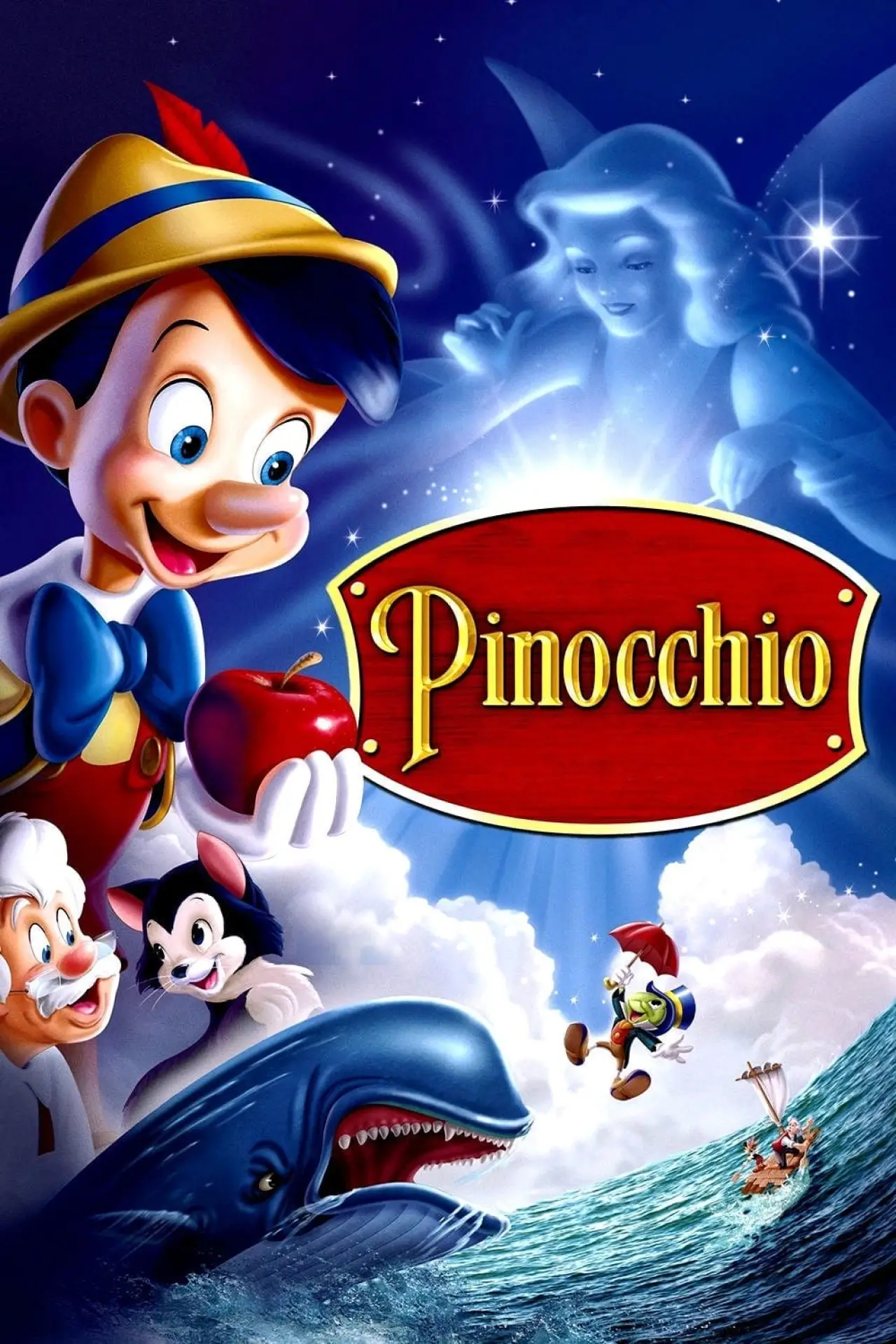
An elderly woodcarver named Geppetto longs for a son, so he fashions a marionette and names it Pinocchio. A fairy grants his wish and gives the puppet life, though he remains made of wood. She tells Pinocchio that he can become a real boy only by proving himself brave, truthful and unselfish, and appoints a small cricket, Jiminy Cricket, to serve as his conscience. Their journey takes them far from home and into considerable danger before it is through.
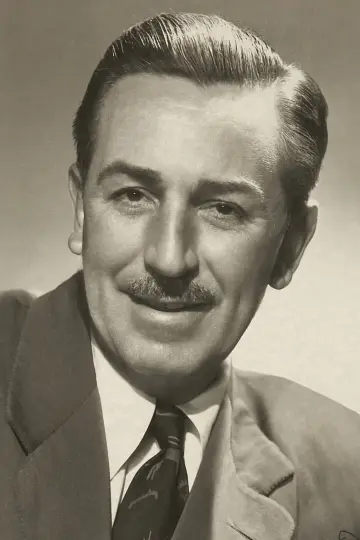
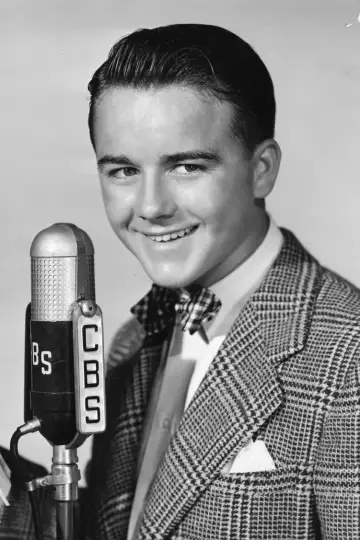
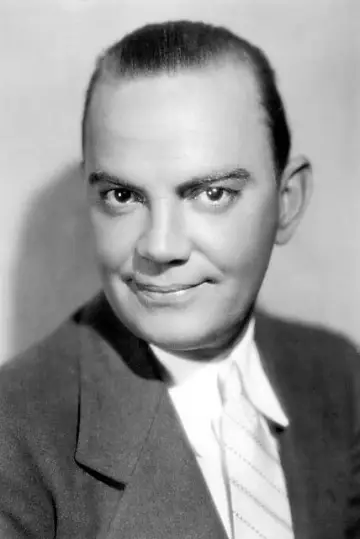
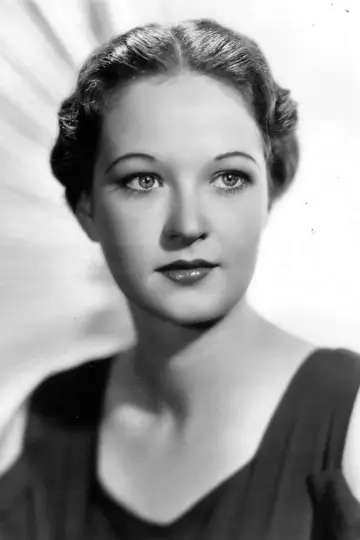
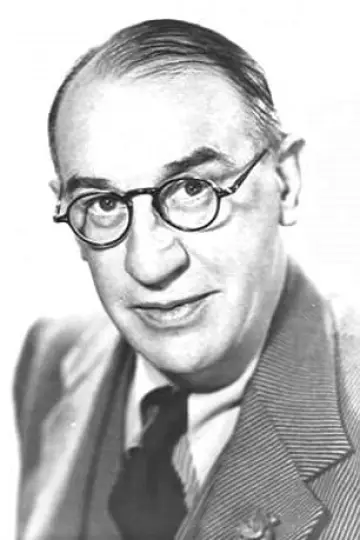
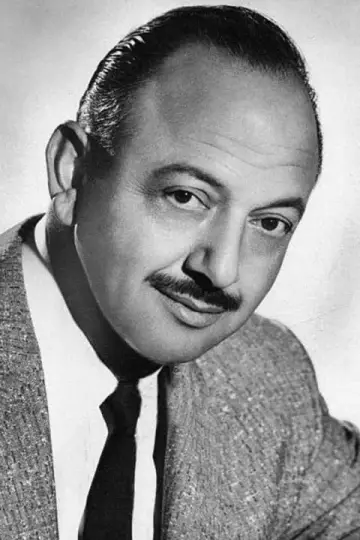
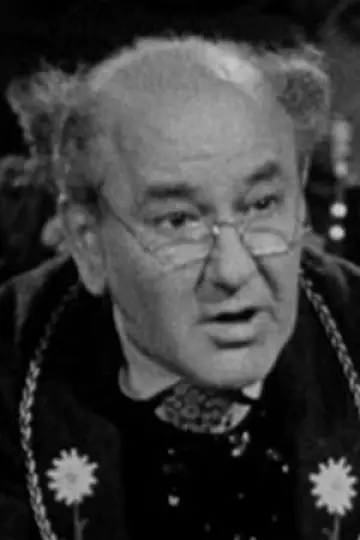
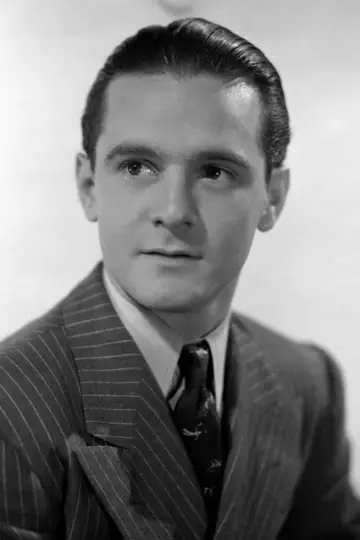
This 1940 Walt Disney Productions animated feature was produced by Walt Disney and directed by Ben Sharpsteen, Bill Roberts, Hamilton Luske, T. Hee, Wilfred Jackson, Jack Kinney and Norman Ferguson. It was released between Fantasia and Dumbo, and several of the same directors worked on that sequence of films. Among the voice cast are Dickie Jones as Pinocchio, Cliff Edwards as Jiminy Cricket, Christian Rub as Geppetto, Evelyn Venable as the Blue Fairy and Walter Catlett as the fox Honest John, with all of them uncredited on screen. The 90 credited crew members reflect the scale of the production.
Made for about 3 million dollars, the film earned roughly 164 million dollars worldwide, a return that made it one of the studio's most successful features of the period. On IMDb it holds 7.5 out of 10 from around 172,000 votes, and on TMDB 7.1 out of 10 from some 6,300 votes. Critics were notably warmer still: a film critics' rating of 9.3 out of 10 from 64 reviews places it well above both audience scores.
What's left behind the scenes
- According to director Jack Kinney (1909-1992), Christian Rub (1886-1956), who voiced Geppetto, held Nazi views and drove the entire film crew crazy with his endless stories about the genius of Adolf Hitler (1889-1945).
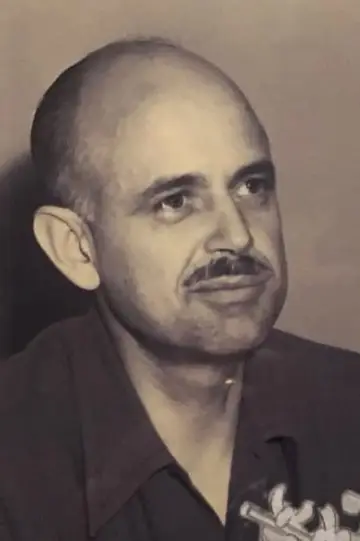
- The character of Jiminy Cricket owes his appearance to the legendary animator Ward Kimball (1914-2002). Initially, he drew the cricket very similar to a real one, but Walt Disney (1901-1966) found this image too frightening and demanded a redesign. Eventually, Kimball removed all insect features from the image and turned Jiminy Cricket into a small green man with a large head and a frock coat, which Kimball “borrowed” from the logo of “Johnnie Walker” whiskey. Disney liked this, although the character no longer resembled an insect; he rather resembled the voice actor Cliff Edwards (1895-1971). Kimball himself later expressed dissatisfaction with how the character turned out.
- Walt Disney's favorite character from the 1940 film was the kitten Figaro. During the production of the film, Disney went to great lengths to include his beloved pet in it. After the film's release, he replaced Minnie Mouse's dog, Fifi, with Figaro.
- Gustaf Tenggren (1896-1970) helped the filmmakers with the creation of conceptual sketches – especially of city streets and underwater landscapes – but he left their film company "Disney" before the film was completed and is not mentioned in the credits. Later, his concepts were used to create the "Disneyland" amusement park.
- In Pinocchio, the transformation into a donkey is not complete (only the ears and tail are visible). In the original version, he fully transforms into a donkey, but quickly returns to normal when fish gnaw off his donkey skin.
- Working models of all of Geppetto's cuckoo clocks were created as references for the animators.
- The cartoon significantly deviates from the original fairy tale: many characters and scenes are missing, and Geppetto is not as poor as in the book.
Similar movies


 Auditions in India
 Casting calls in USA
 Castingi w Polsce
 Кастинги в Україні
