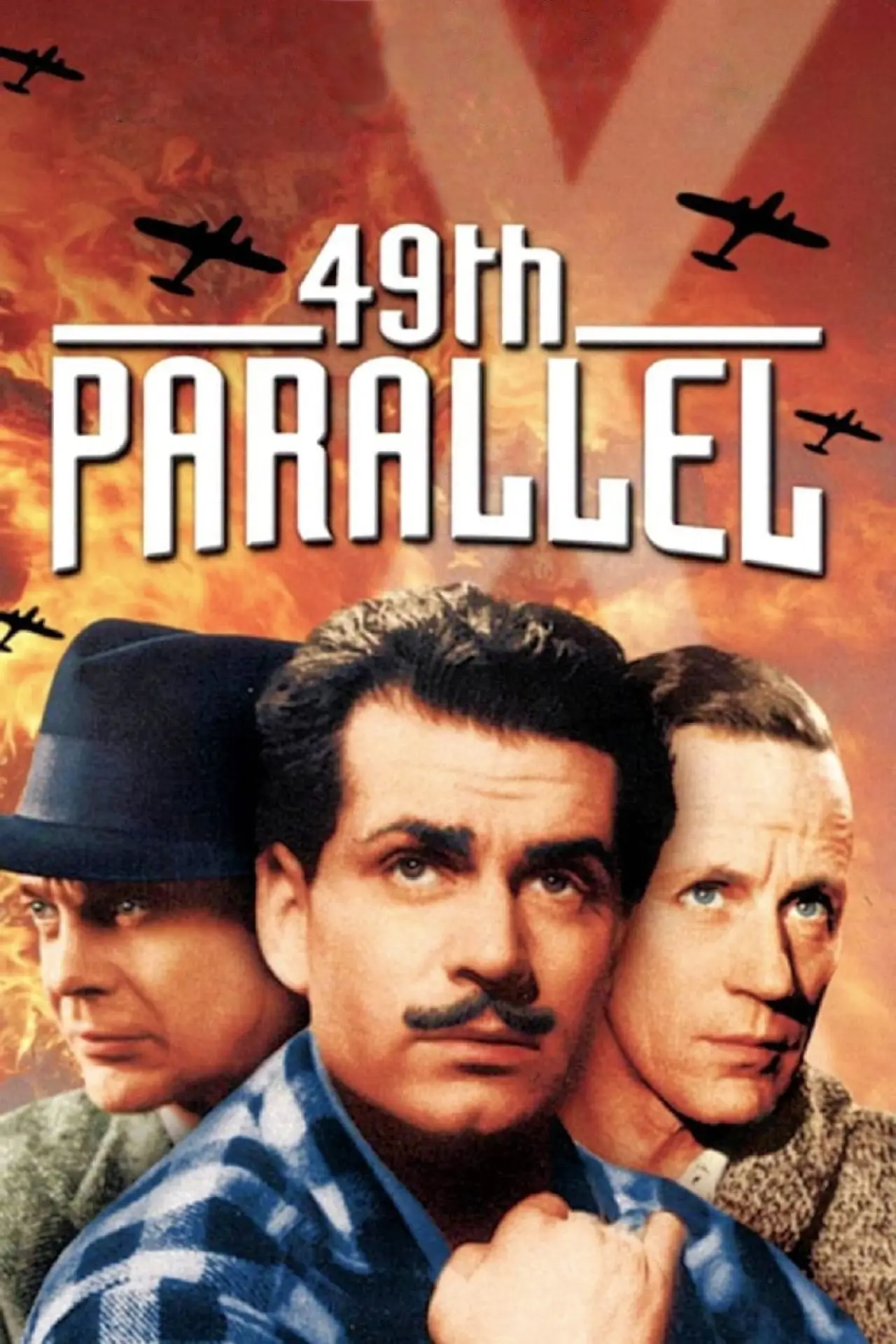
49th Parallel
THE MIGHTEST MANHUNT THAT EVER SWEPT THE SCREEN!




Country
Production
Budget
$140 000
Revenue
$5 275 000
Director
Actors
Leslie Howard, Laurence Olivier, Raymond Massey, Adolf Wohlbrück, Eric Portman, Raymond Lovell, Richard George, Niall MacGinnis, Peter Moore, John Chandos
All actors and roles (10)
All actors and roles (10)
Scenario
Producer
Operator
Composer
Artist
Sydney Streeter, Frederick Pusey
Audition
Editing
Short description
In the early days of World War II, a German U-boat is sunk in Canada's Hudson Bay. Hoping to evade capture, a small band of German soldiers led by commanding officer Lieutenant Hirth attempts to cross the border into the United States, which has not yet entered the war and is officially neutral. Along the way, the German soldiers encounter brave men such as a French-Canadian fur trapper, Johnnie, a leader of a Hutterite farming community, Peter, an author, Philip and a soldier, Andy Brock.
What's left behind the scenes
- Niall McGinnis (1913-1977) was returning home to Wales when he was stopped and searched by police. In McGinnis's wallet, they found a photograph of him in a German naval uniform next to what appeared to be a submarine, and McGinnis was arrested, mistaken for a German spy. In reality, it was a photograph of McGinnis in a role he played in this film. The actor spent several days in jail until documents arrived from London confirming his identity and the fact that he was filming a movie.
- Director and producer Michael Powell (1905-1990) forgot that Newfoundland was an independent dominion of Britain, not part of Canada, and when a full-scale submarine model was taken to the island, it was detained by customs officials who demanded duty. Powell had to appeal to the island's governor, whom he informed that the film was also part of the general effort for the front and victory. In 1949, Newfoundland became part of Canada as a result of a referendum.
- Before the war, Peter Cushing (1913-1994) went to Hollywood, but his career didn't take off there, and he began to do all sorts of things, including making props for this film (although he didn't appear in it himself).
- The submarine shown in the opening scenes is a mock-up built at shipyards in Halifax. The Canadian government refused the filmmakers' request to provide a real submarine for filming (they were all engaged in patrolling).
- Raymond Massey (1896-1983), Leslie Howard (1893-1943), and Sir Laurence Olivier (1907-1989) agreed to work on this film for half their usual fee. This was their contribution to the common cause of defeating the enemy.
- Elizabeth Bergner (1897-1986) was initially cast in the role of Anna, a Hutterite (Hutterites are a branch of Anabaptism that originated in the 16th century, whose followers are distinguished by communal ownership of property). Initially, the Hutterites had nothing against the filming and even helped as much as they could, but one day one of their women noticed that Bergner was smoking and painting her nails. She furiously slapped the actress. Filming had to be interrupted. It was resumed only after Michael Powell managed to persuade the Hutterite community to allow them to finish working on the film. Bergner was replaced by the younger actress Glynis Johns, although Bergner can still be recognized in some scenes. It also turned out that Bergner had joined the film's cast only to move to America. A German-born Jew living in Britain, she wanted to get as far away from the Third Reich as possible and chose America.
- All the initial scenes were filmed by Freddie Young (1902-1998) with a hand-held camera from airplane windows and the windows of trains and cars.
- During the filming of the scene where the plane crashes and falls into the lake, Raymond Lovell (1990-1953) nearly drowned because he couldn't swim, and the plane sank much faster than anyone expected.
Similar movies
7.4/10
7.3/10
7.2/10

7.2/10
7.1/10
6.8/10
6.8/10
6.5/10
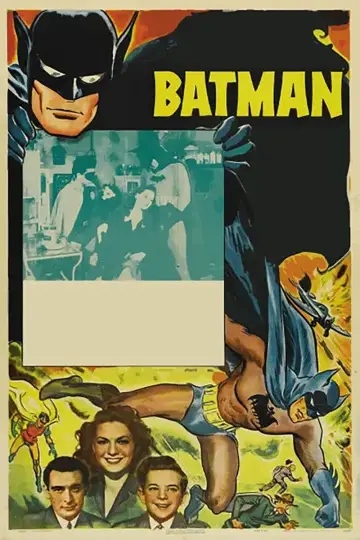
6.2/10
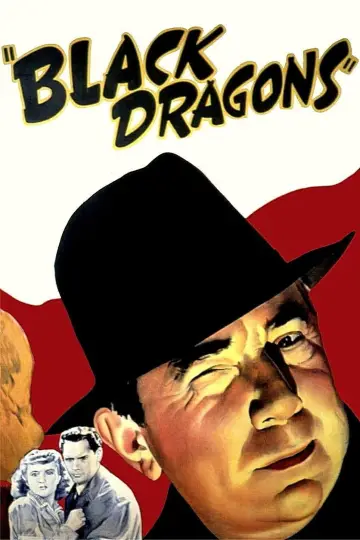
4.3/10


 Auditions in India
 Casting calls in USA
 Castingi w Polsce
 Кастинги в Україні
