Westworld


Short description
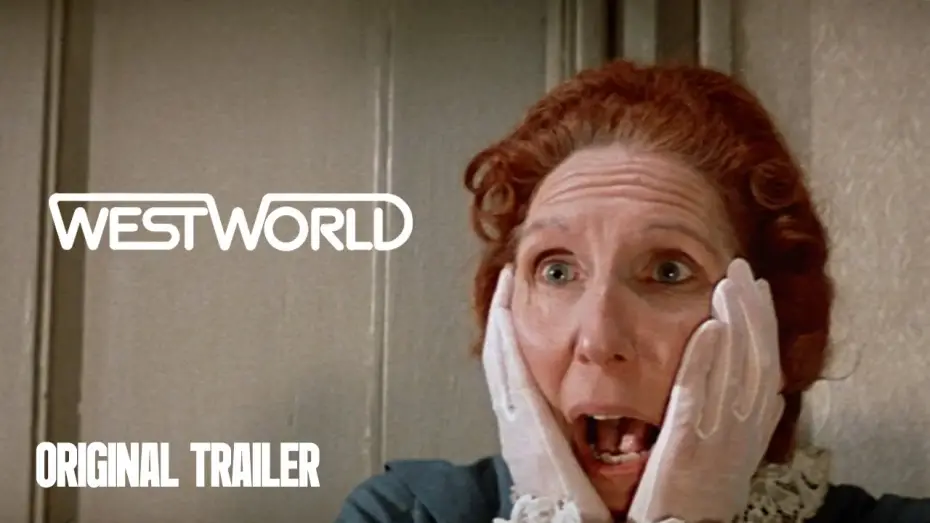
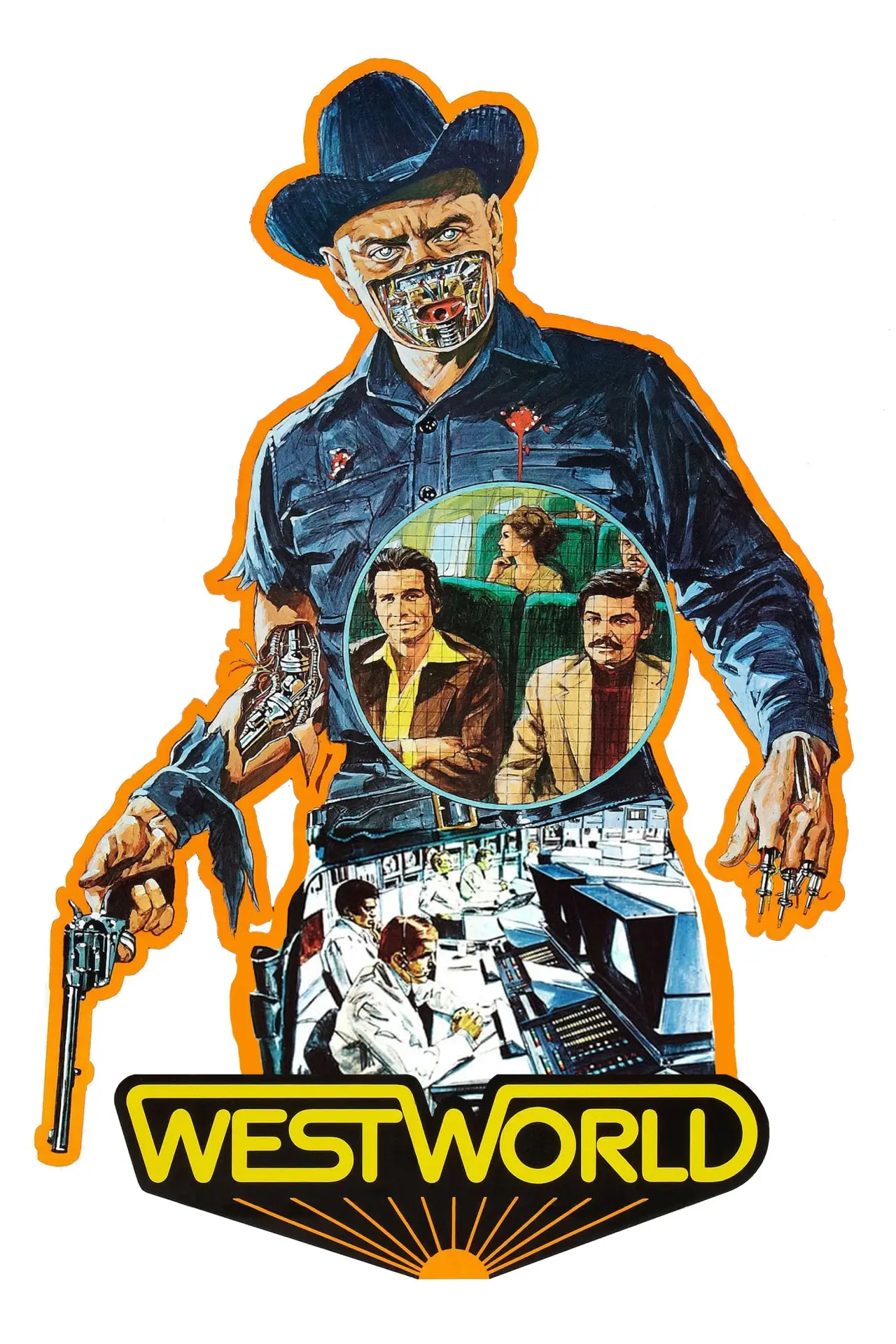
Westworld is set in a future where paying guests can immerse themselves in lifelike themed environments, including the American frontier, Imperial Rome and medieval Europe. The parks are populated by androids built to serve visitors' every whim and to absorb whatever violence is directed at them without ever striking back. When two friends, Peter Martin and John Blane, choose the Western park, a malfunction begins to spread and the machines stop behaving as programmed. A relentless gunslinger, designed to pursue guests for sport, turns his pursuit into something real.
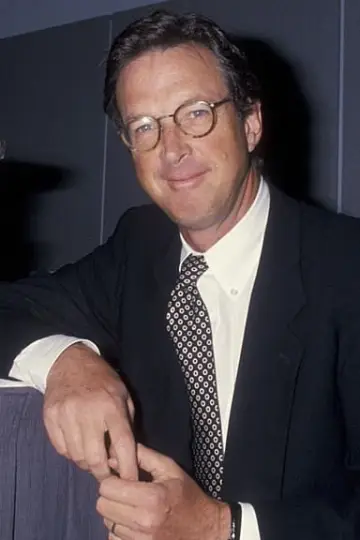
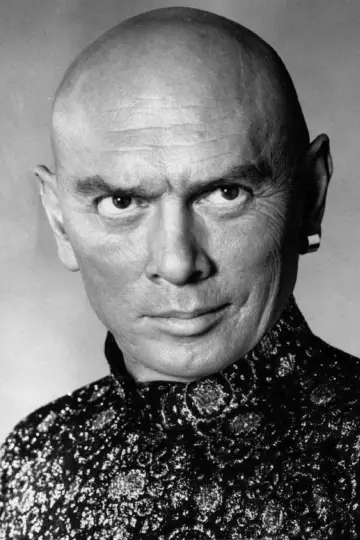
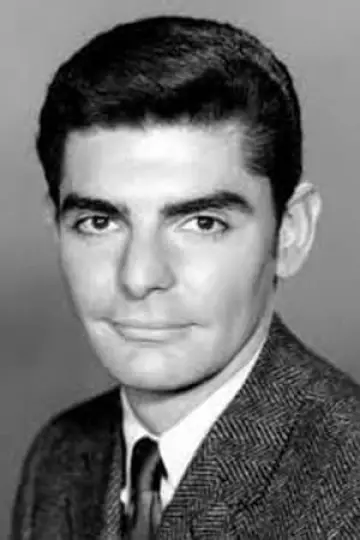
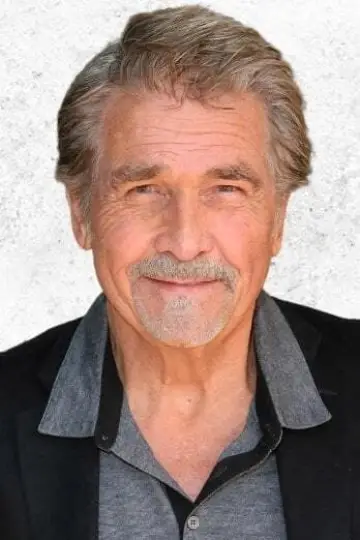
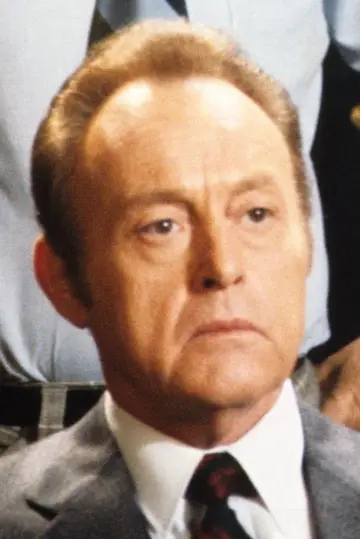
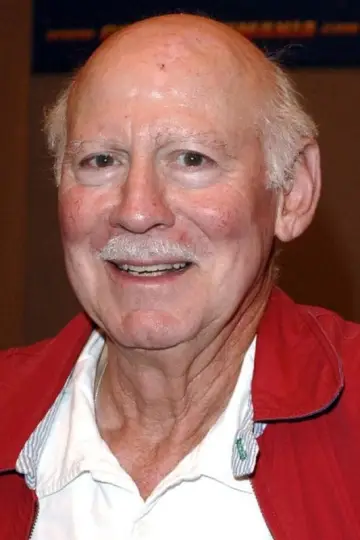
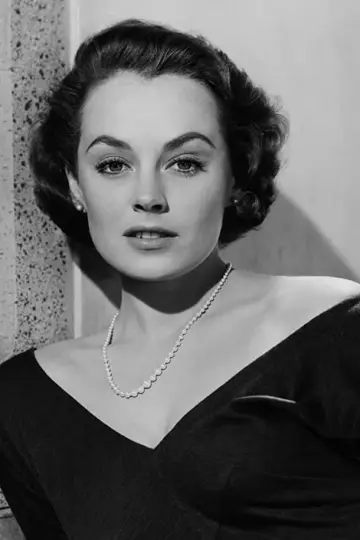
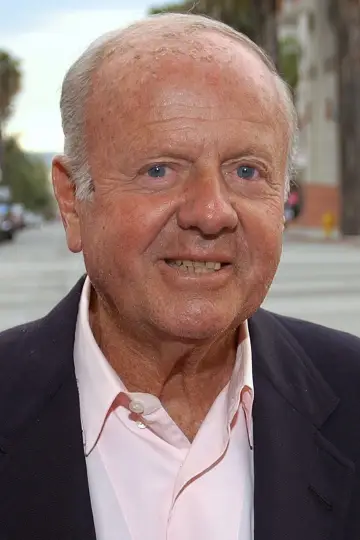
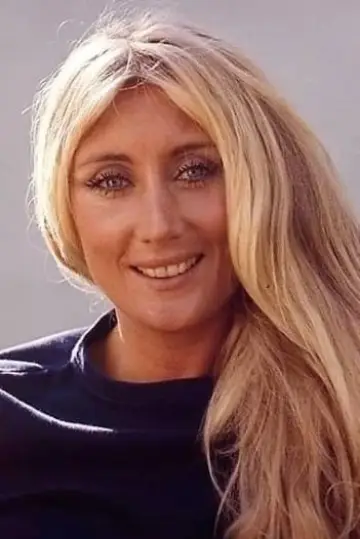
Michael Crichton wrote and directed the film, the first he directed in a run that continued with Coma, The First Great Train Robbery, Looker, Runaway and Physical Evidence. Yul Brynner plays the gunslinger, with Richard Benjamin and James Brolin as the two visitors; Alan Oppenheimer appears as the park's chief supervisor, and Norman Bartold and Victoria Shaw are credited among the medieval cast.
Released by Metro-Goldwyn-Mayer in August 1973, the film runs eighty-nine minutes. Made for about a million dollars, it returned roughly ten million worldwide. On IMDb it holds a critics' rating of 7 out of 10 from 43 reviews, while on TMDB it scores 6.8 out of 10 from more than 1,500 votes, indicating a solid audience response close to the critics' view.
What's left behind the scenes
- Crichton wrote the film's script in August 1972. It was offered for consideration to major film studios, but only interested Daniel Melnick, a producer at Metro-Goldwyn-Mayer, which was in a difficult financial situation at the time. As Crichton recounted in an interview, MGM, in addition to financial difficulties, also experienced problems with personnel and was not highly regarded by filmmakers: many directors and screenwriters complained about harsh pressure from management, interference in the filming process, script revisions, and so on. However, Melnick promised Crichton that he would not face such treatment, and he “mostly” kept his promise.
- On the last day of filming, during the shooting of a scene with a rattlesnake, James Brolin was actually bitten. The scene was filmed in reverse: the snake was attached to the actor's arm, then detached, and the footage was played backwards during editing, creating the illusion that the snake had bitten into his hand. To protect the actor from being bitten, a leather guard with thick padding was worn under his shirt on his forearm. Nevertheless, during the shooting of the scene, Brolin unexpectedly screamed in pain: while the snake's upper teeth dug into the protective shield, it closed its jaws and its lower teeth entered the actor's hand. Despite the fact that the snake used in the filming had not been «milked» beforehand, as is customary in film shoots, the venom did not enter Brolin's bloodstream and he experienced no side effects.
- The Strela robot, as performed by Yul Brynner, was intentionally made a copy of Chris Adams, Brynner’s character from “The Magnificent Seven,” and wore the same costume.
- During the second week of filming, a burning wadding from a blank cartridge hit Brinnner in the eye and scratched his cornea, forcing a temporary halt to filming scenes involving him. The actor sustained no serious health damage, but he could not wear silver contact lenses (which gave his character an additional menacing look): the damaged eye quickly became red and began to water.
- Crichton wanted to achieve a distinctly menacing quality from the androids in certain scenes. After numerous experiments, 80% opacity mirrored contact lenses helped achieve the desired effect: they allowed the use of lighting to give the android's gaze an unreality, while the actor could see their partners and move around the set through them.
- MGM's management prolonged the script approval process and only approved it two days before filming began. Crichton was not involved in the casting of the actors. Initially, the film was allocated a budget of $1 million, but it was later increased by another $250,000. According to Crichton, $250,000 went to actor fees, $400,000 was spent on crew and personnel salaries, and the remaining amount was allocated to technical expenses, set design, and props.
- The entire filming cycle took 30 days. Crichton was frugal in his approach to film stock and time management, so the material was mostly shot in one take. Despite this, some scenes were cut from the final version of the film.
- For the passenger ship's lounge, which delivered visitors to the park at the beginning of the film, only the right side of the fuselage with windows and seats was built. Shots of passengers located on the left side were filmed in the same set and 'mirrored' during editing, creating the impression of a full-fledged lounge.
- The film was the first feature film to use computer-generated imagery – fragments depicting the thermal vision of Strela in low resolution. The crew called this effect “gunslinger POV” (Strela’s first-person view). Initially, Crichton sent a request to NASA’s research laboratory to generate such footage. Preliminary estimates indicated that producing a 2-minute segment would take 9 months and cost $200,000, which was extremely expensive and did not fit the film’s budget. Crichton turned to John Whitney Sr., an animator and pioneer of computer animation who had been producing animated materials for television and advertising companies since the 1960s. Whitney introduced Crichton to his son, John Whitney Jr., who promised to complete the task faster and much cheaper. Whitney Jr. developed a process in which the filmed footage of Strela’s “vision” was digitized frame by frame and programmatically broken down into blocks, then re-transferred frame by frame onto 70mm film. In his work, Whitney Jr. used the computer database of Information International, Inc., for whom this project was one of the first orders for computer visualization. Whitney Jr. worked on the project at night, and the final calculation of a 10-second episode required 8 hours of machine time.
- The limited budget forced the film crew to save money wherever possible. Considering that only $75,000 was ultimately spent on set design, most of it was used in more than one scene. For example, there was only one medieval staircase, and Crichton filmed it three times in three different scenes. The underground corridor was filmed in nine different scenes with six lighting variations and also served as a setting for the room where Delos technicians repaired damaged androids.
- The effect of Strek's dissolving face after Peter threw acid at him was achieved using a mixture of theatrical makeup and Alka-Seltzer applied to the actor's face. Smoke was supplied through several plastic tubes glued to the actor's face and concealed with makeup. The smoke was so irritating that the actor had to hold his breath during the shooting of the scene, otherwise he would have choked. On the day of filming, according to Clayton's recollections, Brinnner experienced stomach pains and took Alka-Seltzer, prompting someone to joke that it was now inside him as well as outside.
Similar movies


 Auditions in India
 Casting calls in USA
 Castingi w Polsce
 Кастинги в Україні
