Flags of Our Fathers



Short description
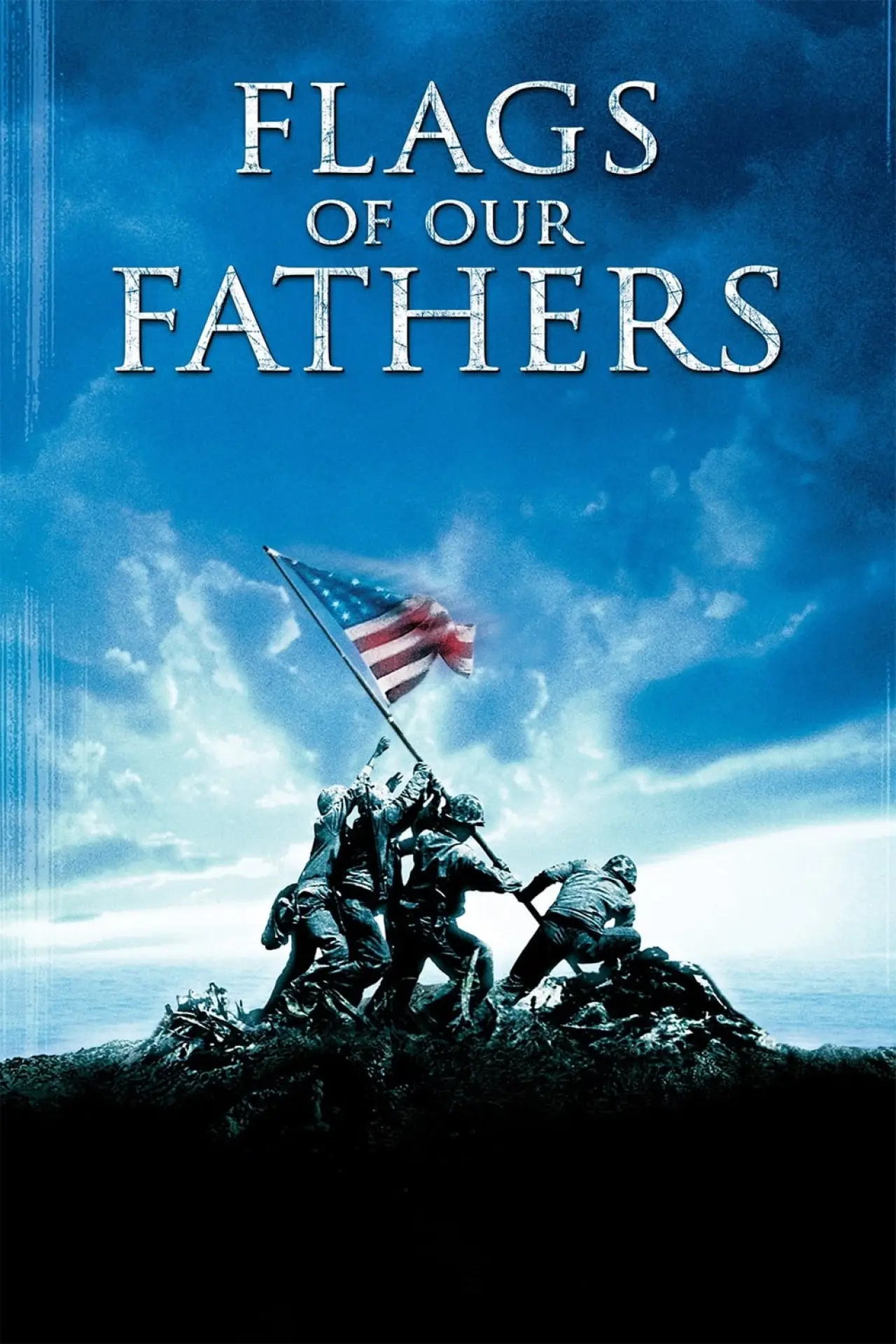
Flags of Our Fathers tells the story of the American servicemen who raised the flag on Mount Suribachi during the 1945 battle for the Japanese island of Iwo Jima. A photograph of the moment became famous across the United States while the fighting was still going on. Three of the men in the picture, Navy corpsman John "Doc" Bradley and Marines Rene Gagnon and Ira Hayes, were brought home from the front and sent around the country to appear at rallies and help sell war bonds. They play the part of heroes in public, but the reality they lived through on the island was different, and each of the three deals with it in his own way.
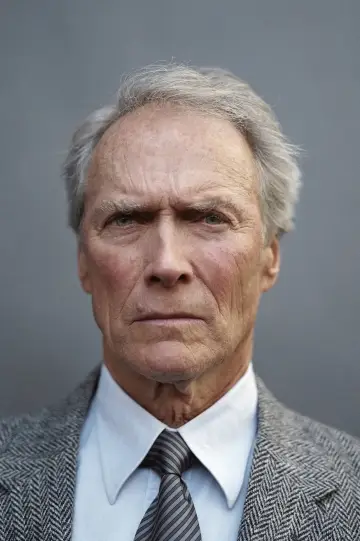
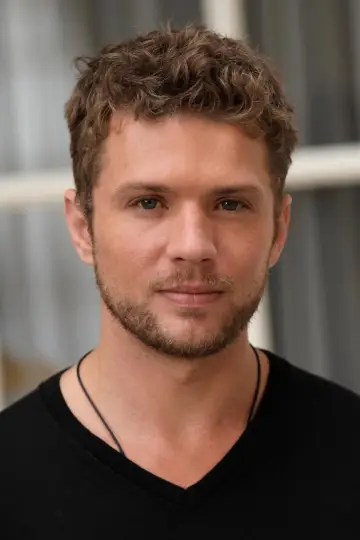
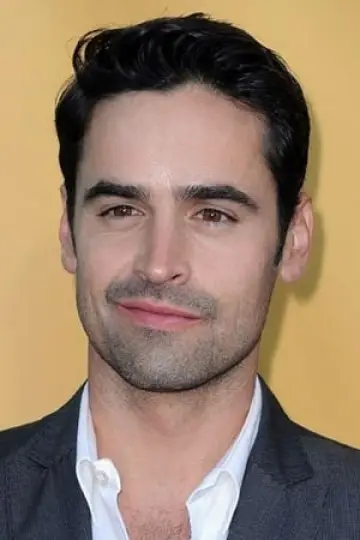
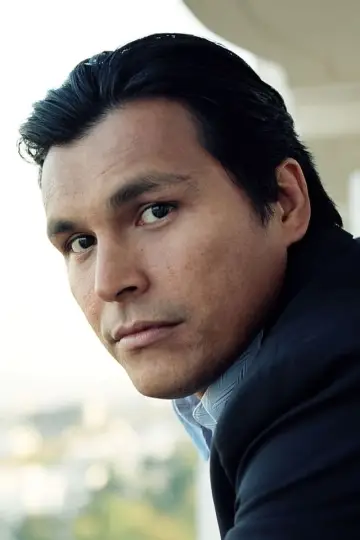
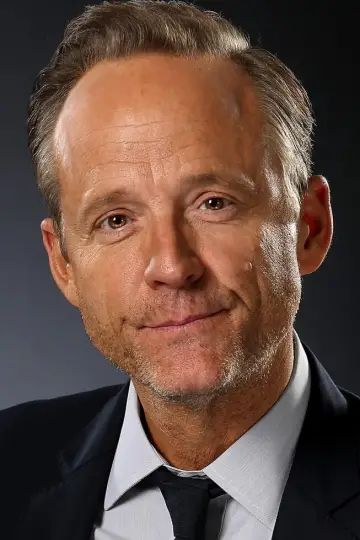
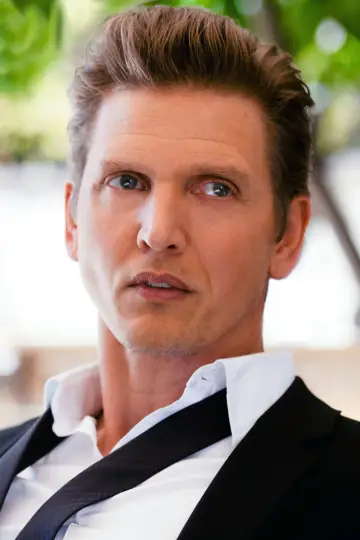
Clint Eastwood directed the film, the twenty-seventh of the forty he has directed in chronological order. It followed Letters from Iwo Jima, which depicts the same battle from the Japanese side, and was followed by Gran Torino. The screenplay is by William Broyles Jr. and Paul Haggis, and Eastwood produced with Steven Spielberg and Robert Lorenz. Ryan Phillippe, Jesse Bradford and Adam Beach play the three central servicemen, with Barry Pepper among the supporting cast.
Released in October 2006, the film cost about 90 million dollars to make and took roughly 66 million dollars worldwide, a return well below its budget. On IMDb it holds a rating of 7.1 from around 134,000 votes, while on TMDB it stands at 6.8 from a much smaller number of votes.
What's left behind the scenes
- Some battle scene plans were filmed as follows: Sony HVR-Z1U video cameras were placed inside dummy 50 caliber ammunition, and extras simply ran around the set with them.
- Clint Eastwood deliberately didn't tell the actors where the squibs were hidden or when they would detonate, in order to capture their genuine fear, but the actors' safety was of paramount importance.
- Adam Beach almost missed the chance to star in the film because he was sick when Clint Eastwood called him with the news that he had been cast.
- The flag raising was indeed staged. The photograph gained incredible popularity in the United States. It depicts five marines and a medic raising the American flag. The fact is that the famous photograph by Rosenthal depicts the second flag raising on Suribachi, which was indeed staged, and it was this one that Joe Rosenthal had in mind when he answered affirmatively to the question of whether the photograph was staged.
- The flag raising was indeed staged. The photograph gained incredible popularity in the United States. It depicts five marines and a medic raising the US flag. The fact is that the famous photograph by Rosenthal depicts the second flag raising on Suribachi, which was indeed a staged event, and it was this one that Joe Rosenthal (1911-2006) had in mind when he answered affirmatively to the question of whether the photograph was staged.
- In addition to directing, Clint Eastwood took on an unusual role for himself – composing the film's music.
- Real marines were used during filming to portray extras.
- Steven Spielberg bought the rights to adapt the novel and in early 2001 commissioned William Broyles Jr. to write the screenplay, but he didn't like the result, and the screenplay was shelved until he met Eastwood in 2004.
- Clint Eastwood deliberately didn't tell the actors where the squibs were hidden, or when they would explode, in order to capture their genuine fear.
- Clint Eastwood directed the film, and Steven Spielberg served as producer, but originally Spielberg bought the rights to adapt the original novel and in early 2001 commissioned William Broyles Jr. to write the screenplay. However, he did not like the final result, and the script was shelved until he met Eastwood in 2004.
- A significant portion of the filming took place in Iceland because the black sand on the beaches reminded Clint Eastwood of the sand on the beaches of Iwo Jima.
- The original of the top photograph from the stack is kept at the Australian War Memorial. It is dated October 24, 1943, was taken in Aitape, New Guinea, and shows the preparation for the execution of prisoner of war Sergeant Leonard George Siffleet (1916-1943) by beheading, carried out by Japanese officer Yasuno Chikao.
- Adam Beach nearly missed the opportunity to star in the film because he was ill when Clint Eastwood called to inform him he had been cast. Only the intervention of a lawyer helped him.
- The voiceover in the advertisement belongs to Clint Eastwood.
- The original of the top photograph from the stack is kept at the Australian War Memorial. It is dated October 24, 1943, was taken in Aitape, New Guinea, and shows the preparation for the execution of prisoner Sergeant Leonard George Siffleet by beheading, carried out by Japanese officer Yasuno Ticao.


 Auditions in India
 Casting calls in USA
 Castingi w Polsce
 Кастинги в Україні

