A Hidden Life



![Watch film A Hidden Life — A HIDDEN LIFE | Official Trailer [HD] | FOX Searchlight](https://www.acmodasi.in/amdb/images/posters/d/3/a-hidden-life-2019-Hw5ws.jpg)
Short description
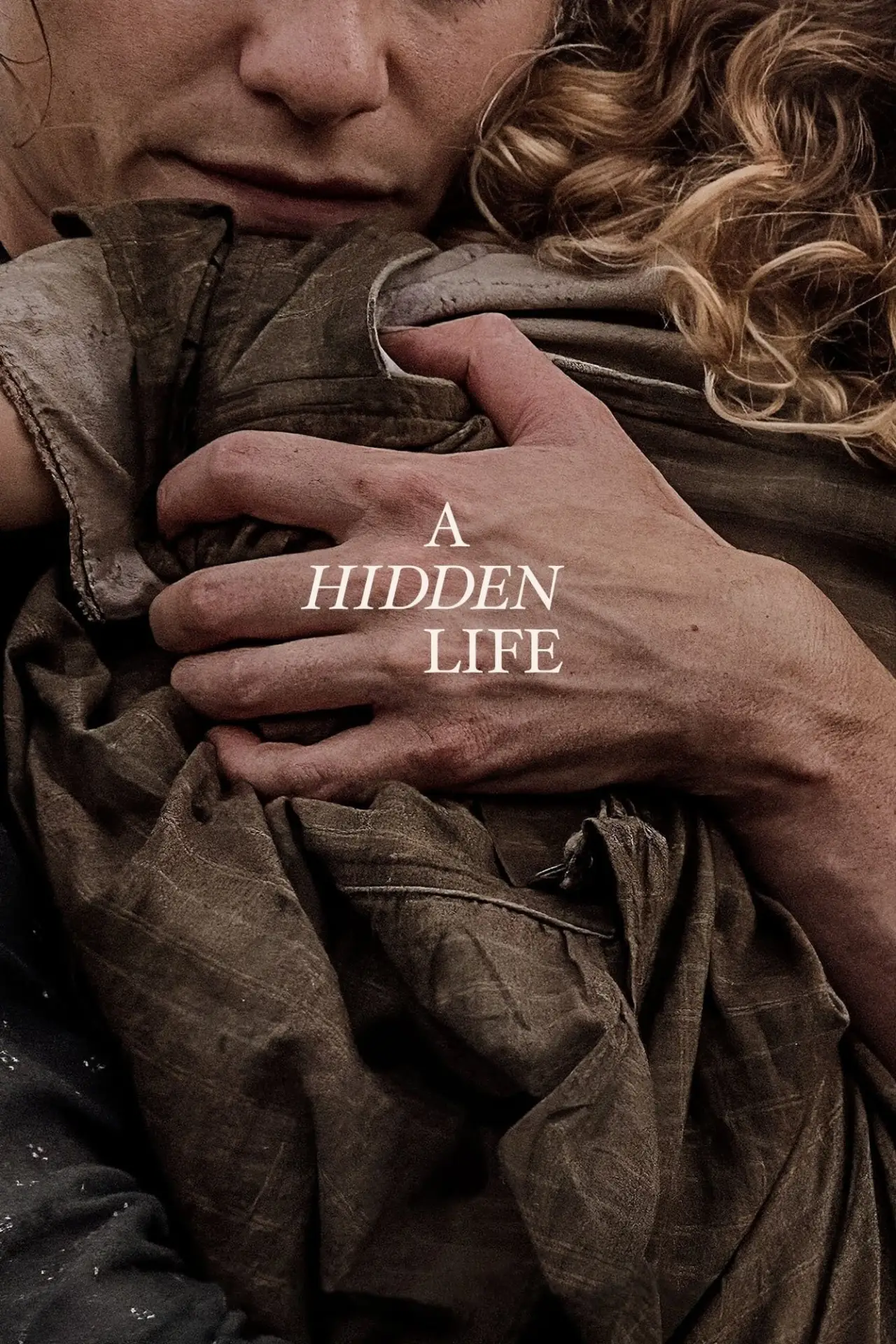
A Hidden Life tells the story of Franz Jägerstätter, an Austrian farmer living in the village of Sankt Radegund. A devout Catholic, he is the only person in his community to vote against Austria's annexation by Nazi Germany in 1938. When the Second World War breaks out, he is called up to serve, but his conscience will not let him swear loyalty to Hitler or fight for the regime. His refusal places him in direct conflict with the authorities, who treat it as treason, and with the neighbours who once stood beside him. Sustained by his faith and by his love for his wife Fani and their children, he holds to his decision even as the consequences close in around him. The film is based on a true story.
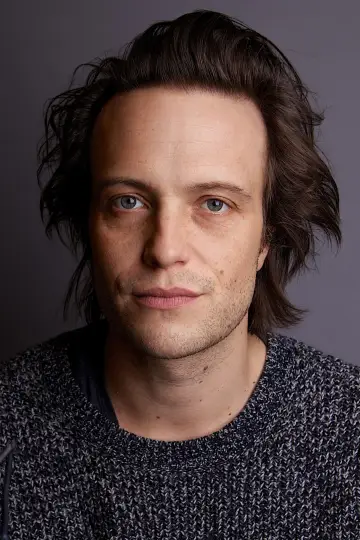
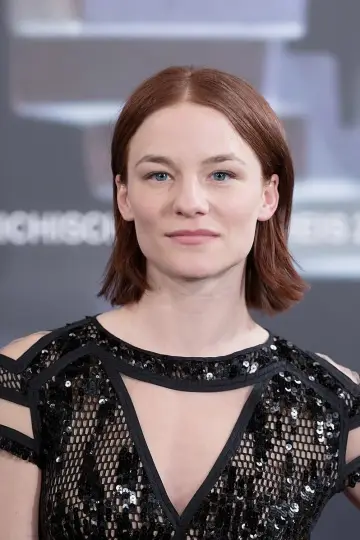
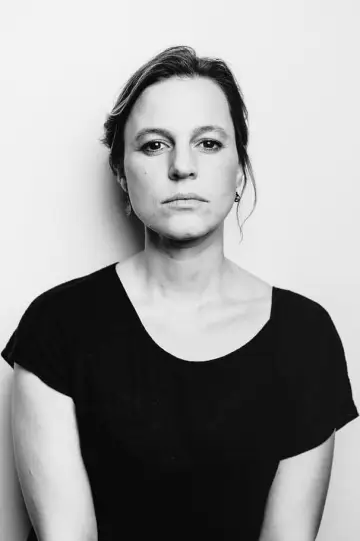
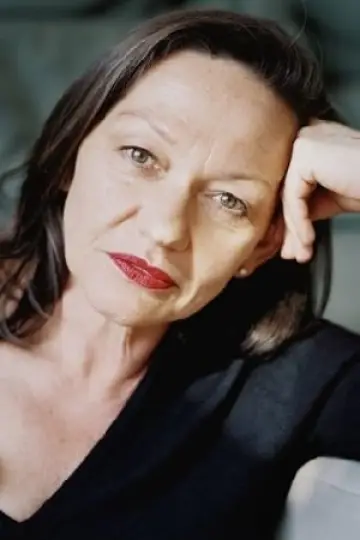
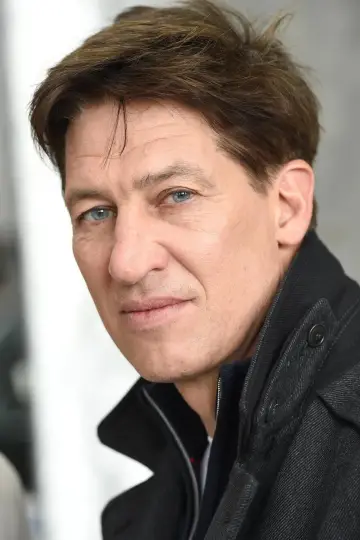
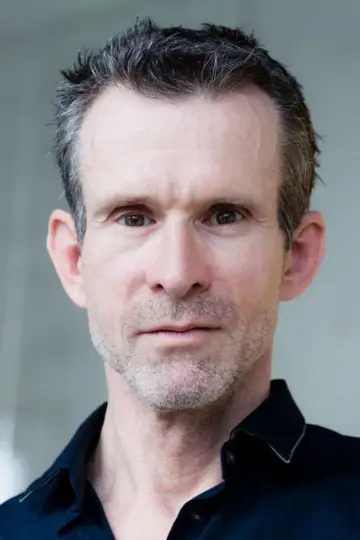
Terrence Malick wrote and directed the film, which came after Song to Song in a run of features that includes Badlands, Days of Heaven, The Thin Red Line, The New World, The Tree of Life, To the Wonder and Knight of Cups. August Diehl plays Franz, with Valerie Pachner as Fani, alongside Maria Simon, Karin Neuhäuser, Tobias Moretti and Ulrich Matthes. The production, mounted across Germany and the United States with 56 credited cast members, carried a budget of about 9 million dollars and returned roughly 5 million at the worldwide box office.
Audience responses were positive though not unanimous: on IMDb it holds 7.4 out of 10 from around 32,000 votes, and on TMDB 7.2 from a much smaller base of 813. A critics' rating of 7.4 from 234 reviews places it level with the IMDb figure.
What's left behind the scenes
- The bedroom in the film is shown as it remained in the Egerstetter house. Samples of embroidery that Fanny worked on hang on the walls. Franz and Fanny’s daughters, Maria, Rosalia, and Eloise still live in or near St. Radegund. Fanny passed away in 2013 at the age of 100.
- The idea to make this film came to Terrence Malick and producer Grant Hill while working on the war drama 'The Thin Red Line' (1998). Before starting filming in 2016, the director met with Jägerstätter's daughters.
- Franz Jägerstätter served at the local church – he cleaned the church, rang the bell, and made preparations for weddings and funerals, without taking any payment for it.
- This story is virtually unknown outside of St. Radegund. It became known thanks to Gordon Zahn, an American who visited there in the 1970s.
- An epigraph before the script features a quote from Søren Kierkegaard (1813-1855) – a Danish religious philosopher, psychologist, and writer, the founder of existentialism. “When a tyrant dies, his reign ends. When a martyr dies, everything is just beginning.”
- The pre-production period lasted 10 weeks, followed by filming (8 weeks) and almost 3 years of post-production.
- The characters in the film quote the ancient Greek philosopher Plato (between 429 and 427 BC – 347 BC) – “It is better to suffer injustice than to do it” and “Nothing bad ever happens to a good person.”
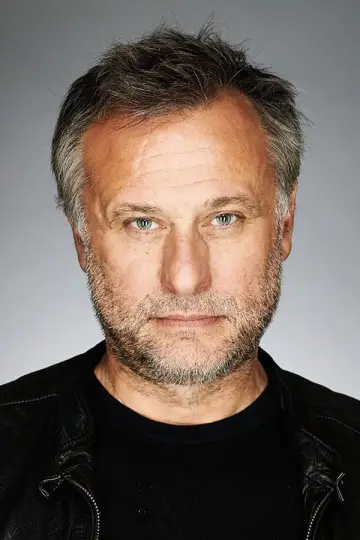
- This is the final film featuring actors Mikael Nyqvist (1960-2017) and Bruno Ganz (1941-2019).
- Nowadays, the fields around St. Radegund are sown with corn (which was not the case in the first half of the last century) and dotted with high-voltage power lines and modern houses. The filmmakers had to search for filming locations higher in the mountains.
- The film was shot in 8 weeks in July and August of 2016.
- A special screening of the film was organized a couple of days before its premiere at the Cannes Film Festival. The screening was held at the Egerstorfer's home for their daughters. According to the lead actress, the film was enjoyed by all three sisters.
- On the wall in the living room of the Jägerstetter house are the very same clocks whose chimes Fanny listened to at 4 p.m. on August 9, 1943, at the moment of Franz's execution, when she suddenly felt his presence.
- Artificial lighting was rarely used during filming. As a rule (and this applied even to scenes filmed in prison), the crew would choose the appropriate time of day and work until the light faded.
- The film's title comes from a phrase by George Eliot (English novelist, born Mary Ann Evans, 1819-1880) from her 1871-1872 novel 'Middlemarch'.
- The film is based on the correspondence between Franz Jägerstätter (1907-1943) and his wife Franziska, or Fanny.
- The film was originally titled 'Radegund'.
Similar movies








 Auditions in India
 Casting calls in USA
 Castingi w Polsce
 Кастинги в Україні
