Doctor Dolittle




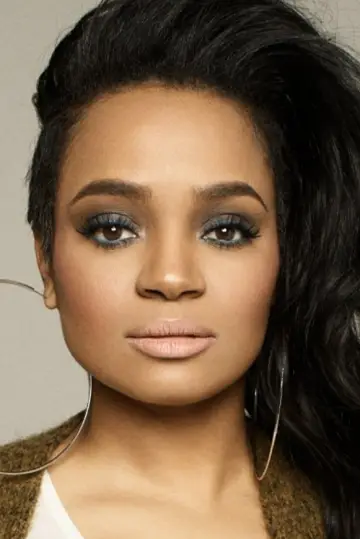
Short description
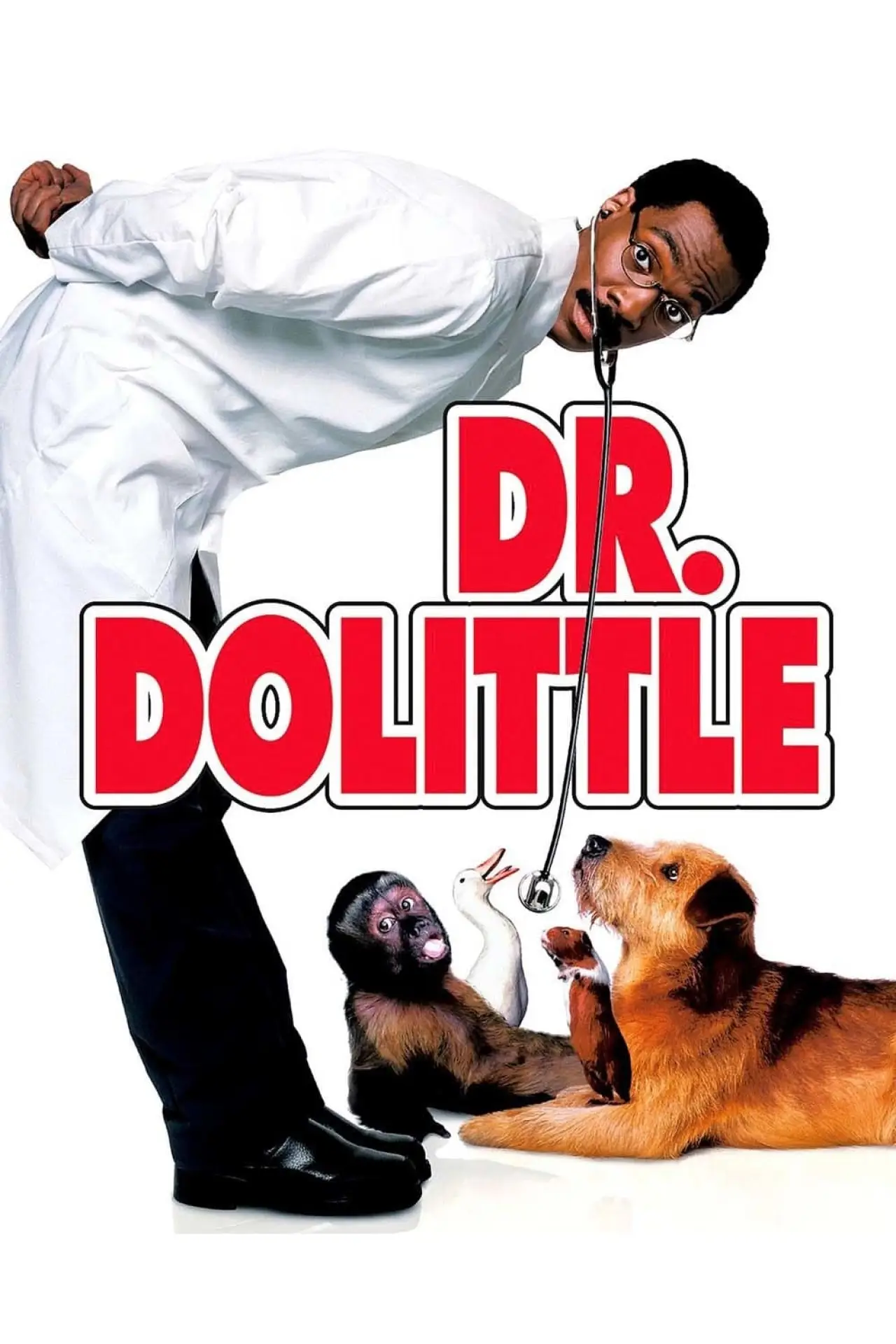
Doctor Dolittle is a 1998 family comedy about a San Francisco physician whose comfortable life is disrupted when a childhood ability returns. John Dolittle, a successful surgeon with a wife and two daughters, once could understand and speak with animals, until his father pushed him to abandon the habit. Years later the gift comes back, and every pet, stray and wild creature in the area begins seeking him out for medical advice and personal complaints. His professional ambitions and family relationships suffer as the animals demand more and more of his attention, and he must decide how to reconcile the two sides of his life.
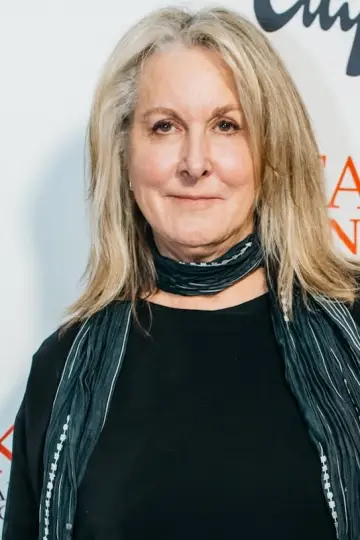
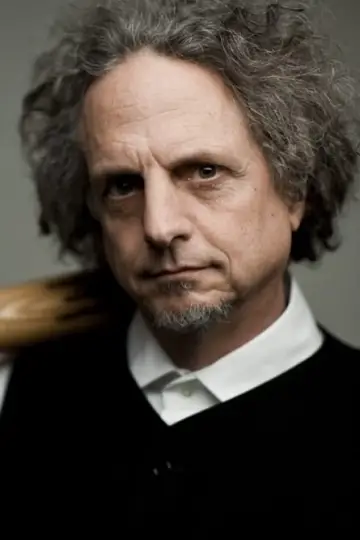
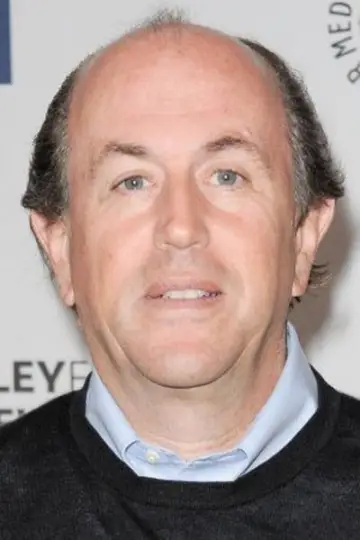
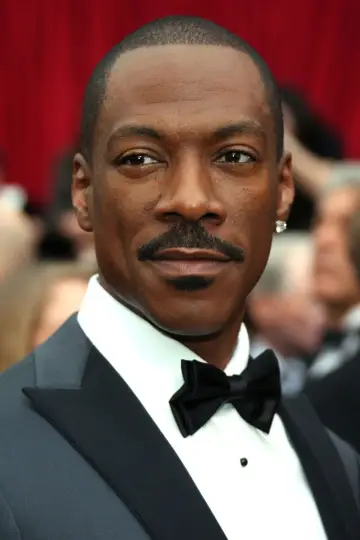
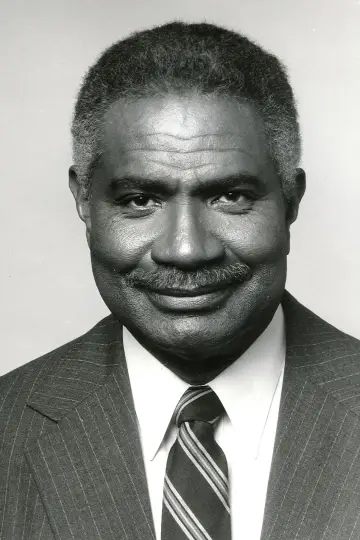
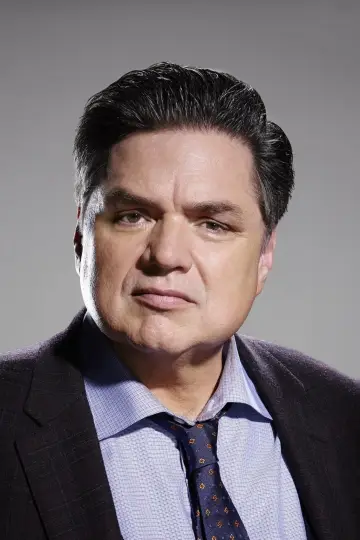
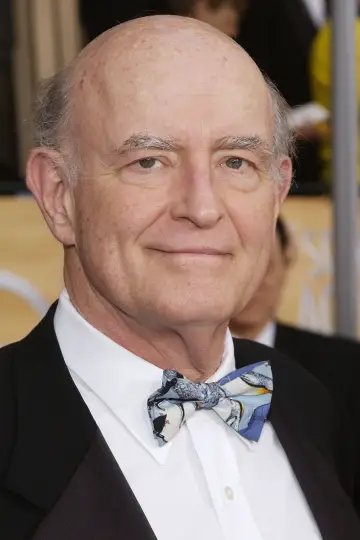
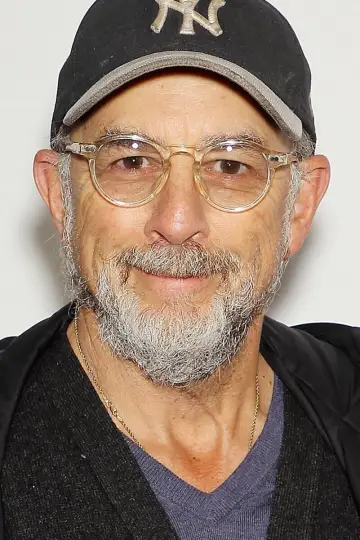
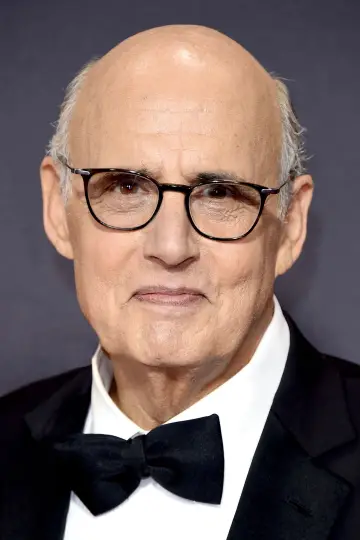
Betty Thomas directed the film, her third feature after The Brady Bunch Movie in 1995 and Private Parts in 1997. Eddie Murphy plays the title role, with Ossie Davis as his father, Oliver Platt as a fellow doctor, Peter Boyle and Richard Schiff in supporting parts, and Kristen Wilson as his wife. Nat Mauldin and Larry Levin wrote the screenplay, and John Davis, David T. Friendly and Joseph Singer produced.
Made for about 71 million dollars, the film took in roughly 295 million worldwide, a strong return on its budget. Audience response was mixed: it holds a 5.4 rating on IMDb from about 107,000 votes and a 5.7 on TMDB from more than 3,000 votes. The critics' score of 5.4 from 50 reviews sits close to those audience figures.
What's left behind the scenes
- Eddie Murphy is terrified of animals, so he always insisted on using composite shots or digitally adding images of animals to scenes featuring him. When it was impossible to avoid being in the same room with an animal, the filming of such scenes often ended with his desperate screams.
- At one point, Eddie Murphy's character watches Richard Fleischer's (1916-2006) film 'Doctor Dolittle' (1967) on television.
- The film features a large number of different animals, which required several months of preparation, careful planning, and training. Trainers studied the behavioral characteristics of animal species and the unique features and temperament of individual animals. They were taught to obey commands given by voice, sounds, and gestures, and received their favorite treats as a reward.
- To create the illusion that the animals were actually speaking, computer-generated digital images were used from two-dimensional models. First, the natural movement of the animals' muzzles was filmed, and then, during post-production, the images were altered frame by frame so that the teeth, lips, and tongue formed words. The 1995 film "Babe" by Chris Noonan took a different approach, where the muzzles of all the animals were rendered in three dimensions. There, an image of the entire supposedly speaking muzzle was superimposed onto the animals’ images. This method was innovative and quite advanced for its time, but the use of the technique applied in "Doctor Dolittle" (1998) represented a new step in depicting animals on screen.
- Creating some illusions required unique equipment, such as harnesses and bridles specifically invented and constructed for the film. One such collar was created specifically for the dog being forcibly dragged to the veterinarian. The dog is pulled in a sitting position, so the collar was designed to distribute the dog’s weight evenly between its neck and hindquarters. The dog was trained beforehand to accept this behavior and become accustomed to the collar. Another similar collar was designed for safe riding in the passenger seat of a car.
- Some scenes required the simultaneous participation of a large number of animals and, consequently, their simultaneous presence on the set. The animals were pre-trained (this took several weeks) to work together. Up to 45 trainers were present on set during the filming of some scenes.
- Animal doubles were used in many scenes; for example, when Rodney rides in a cage on the roof of a car, or when he nearly gets flushed down the toilet in the ladies' room, an animatronic guinea pig was used. Rodney was well-trained and could perform many stunts himself – biting the bars of the cage, going to the designated spot, and sitting on command; however, he also had doubles trained to perform a specific trick. Animatronic doubles were also used for other animals – for example, Lucky, the two rats, the owl, Jacob, the pigeons, all of whom also had live doubles, allowing for shift-based filming so that the animals could rest.
- In situations where a potential predator and prey are together, or in scenes where an animal is in a potentially dangerous position, such as a tiger on the edge, a blue screen technique was used. The animals were filmed individually against a blue backdrop, and their images were combined with the necessary background during editing. This method can also be used to film animals or an animal and its animatronic double(s). During post-production, the two halves are combined so that the result appears as if the animals were filmed together.
- The collision on the highway during the chase was not planned. The script called for the car to use the bus as cover and turn left. However, a collision occurred, and as a result, the trunk opened revealing blue bags inside (they were placed there to facilitate some stunts). The footage with the bags had to be cut. Subsequent scenes had already been filmed by that point and showed a much less damaged car.


 Auditions in India
 Casting calls in USA
 Castingi w Polsce
 Кастинги в Україні
